
Dangerous Dog Laws: Key Steps to Know Before You Act

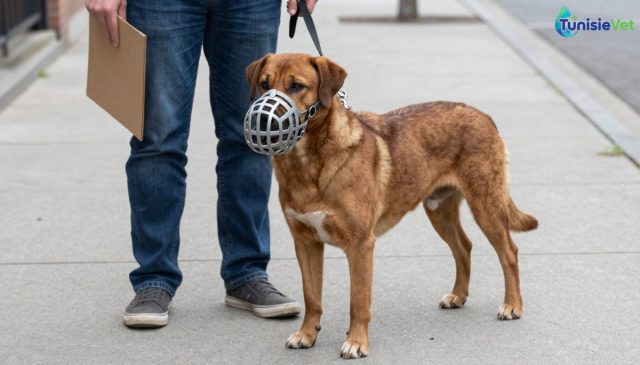
Dangerous dog laws are not based on the dog's behaviour alone: the criteria and the steps to check depend on where you live. Before adopting, breeding or travelling with a dog, check with the competent authorities rather than assuming that a rule applies everywhere. This practical guide helps you prepare your questions, gather useful documents and adopt the right habits to protect your dog and the people around it.
The TunisieVet app to care for your pet
Vets, adoption and products


Understanding Dangerous Dog Laws
The term "dangerous dog" can cover different situations depending on the regulations that apply. A law may focus on the animal's characteristics, its behaviour or the circumstances of an incident. Do not conclude on your own that a dog is covered or exempt based solely on its appearance.
Start by identifying the territory where you live and any places you plan to travel through with your dog. Then ask the competent authority which texts apply to your situation and whether specific rules concern your municipality or your place of accommodation.
Priority Questions to Ask
- What criteria are used to determine whether my dog is covered?
- What documents or procedures should I arrange before it arrives?
- What precautions are required in public or shared spaces?
- Who should I contact in case of doubt or after an incident?
Ask for a written answer or the reference of the applicable text. Also note the department you contacted, so you can find the information again if your situation changes. Talking with another owner can be helpful, but it does not replace an official check.
Checking Obligations Before Welcoming a Dog
Before any acquisition, review the requirements that may concern identification, registration, authorisation or insurance. Depending on the location and situation, specific conditions may also apply to keeping the dog, to travel or to access certain areas. Never presume they exist: ask precisely what applies to your dog.
Here is how to organise your checks without confusing the different situations:
| Situation | Question to Ask | Items to Prepare |
|---|---|---|
| Welcoming a dog | What procedures must be completed before its arrival? | Available documents on its identity and origin |
| Outings or travel | What conditions apply during the journey and at the destination? | Authority contact details and required documents |
| Incident | What procedure should be followed and who should I contact? | Information on the circumstances and the people involved |
If insurance is required or being considered, ask your insurer which situations are covered, what is excluded and which supporting documents are needed. Do not assume that your usual policy automatically covers every case. Keep the answers and documents in an easily accessible file.
Preparing a File and Seeking Advice
Gather the documents you already have: the dog's identification records, information provided at the time of acquisition and available veterinary records. Check that the details are consistent and report any error to the relevant department or professional. Do not alter an official document yourself to correct an inconsistency.
If the dog's origin or characteristics are uncertain, clearly state what you know and what you do not. Ask the competent authority how to proceed and which supporting documents it accepts. Avoid presenting a hypothesis as a certainty in order to speed up a procedure.
The Role of the Veterinarian
The veterinarian can examine the dog, discuss its behaviour and help you prepare documents within their area of competence. They can also refer you if pain, fear or another problem seems to contribute to difficult reactions. However, legal classification and administrative decisions rest with the competent authorities.
To obtain suitable veterinary advice, consult the directory of veterinarians for dogs. Prepare the consultation by describing the concrete situations that worry you, without waiting for an incident to happen.
Adopting Good Habits Every Day
Good management starts with observation. Identify the situations in which your dog seems uneasy: proximity to other animals, handling, visits from strangers or a busy environment. Give it space and avoid deliberately placing it in situations it cannot cope with.
Outdoors, use a lead and equipment suited to its size, build and the applicable rules. Check the fit before going out. If a muzzle is required, choose a suitable model and gradually accustom the dog to wearing it, calmly and with rewards. Ask a professional for advice if you are unsure how to proceed.
At home or on a breeding site, provide a secure space and inform the people who look after the dog of its habits. Organise visitor access to avoid unexpected contact. Do not leave a child in sole charge of a dog whose reactions worry you.
Common Mistakes to Avoid
- Choosing safety measures based only on the dog's appearance, without assessing the situation.
- Ignoring signs of discomfort or punishing a dog that shows fear.
- Entrusting the handling of the animal to someone who does not know the instructions.
- Waiting for a bite before seeking help for worrying behaviour.
If reactions persist or worsen, consult a veterinarian first. They can examine the animal and, if necessary, refer you to a professional qualified in canine behaviour.
Responding After a Bite or Incident
The priority is to protect people and prevent a further incident. Calmly move the dog away if you can do so without putting yourself at risk. Place it in a secure space and limit handling if its condition or reactions cause concern.
In case of a bite, wash the wound with soap and water and seek medical advice promptly. If the injury is serious, if bleeding does not stop or if the person is in distress, contact the emergency services. Do not replace a medical assessment with advice found online.
Write down the circumstances while they are still fresh: location, sequence of events, contact details of the people involved and available information about the dog. Keep these details without trying to downplay the event. Then contact the competent authority to learn which procedures apply and any deadlines.
A veterinary examination can help you understand the dog's health and behaviour. Also ask your insurer how to report the incident. Before resuming normal activities, work with the professionals concerned to put in place measures that prevent another risky situation.
Key Takeaways
- Check the criteria and procedures with the competent authority before welcoming or moving your dog.
- Prepare the documents you have and request an official answer if its status is uncertain.
- Adapt your dog's outings and environment to the applicable rules and to its behaviour.
- After a bite, protect people, seek medical advice and find out which procedure to follow.
Frequently Asked Questions
Is a dog automatically considered dangerous because of its appearance?
No, appearance alone does not determine the rules that apply in every situation. Ask the competent authority which criteria it uses and which supporting documents it accepts.
Can I travel with a dog subject to restrictions?
It depends on the rules that apply at departure, during the journey and at the destination. Check them before booking and also ask about transport and accommodation conditions.
Who should I contact if I am unsure of my dog's status?
Contact the competent authority where you live and present the documents you have. For health or behaviour questions, a veterinarian can support you alongside your checks on dangerous dog laws.
Need a professional opinion? If in doubt or in an emergency, find a veterinarian near you on TunisieVet.
Leave a comment
Be the first to comment on this article.
