
Dangerous Dog Laws: What Every Owner Needs to Know

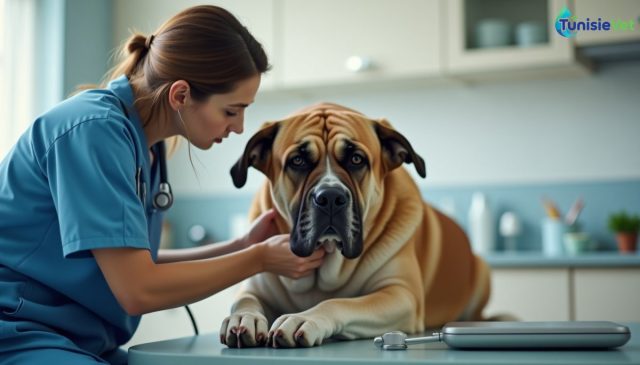
Dangerous dog laws aim to regulate the ownership of certain breeds or dogs deemed at risk, in order to protect the public while holding owners accountable. Many wonder what steps to take, which breeds are affected, or what penalties they face if they fail to comply. This article addresses the most frequently asked questions and offers practical veterinary advice for living peacefully with your dog.
1. What does "dangerous dog" really mean?
A dog is not classified as "dangerous" simply because of its breed. This concept generally encompasses two distinct realities: certain breeds considered at risk because of their size and strength, and any dog that has demonstrated aggressive behavior toward people or other animals. The law therefore seeks to regulate both the animal's physical potential and its actual behavior.
It is essential to understand that education, early socialization, and environment play a far more significant role in a dog's behavior than breed alone. A poorly socialized dog, regardless of its size, may develop fearful or aggressive reactions.
Criteria generally considered
- The animal's physical morphology and strength
- History of reported bites or aggression incidents
- Behavior observed during behavioral assessment
- Detention and socialization conditions
2. What obligations must owners of regulated dogs meet?
When a dog falls into a regulated category, the owner must generally comply with several practical obligations. These requirements are not a punishment, but rather a way to ensure everyone's safety, including the animal's own.
- Animal identification by microchip or tattoo
- Keeping the dog on a leash and wearing an appropriate muzzle in public places
- Obtaining liability insurance covering potential damages
- Supervised canine training, sometimes with behavioral assessment
- Neutering or spaying in certain cases, depending on local regulations
Failure to comply with these obligations can result in administrative sanctions, or even animal confiscation in the most serious cases. It is therefore advisable to verify the exact requirements with the competent local authorities, as rules can vary from one region to another.
3. How do I know if my dog is affected by these laws?
The first step is to accurately identify your dog's breed or physical type, especially for molosser-type dogs or those resulting from crossings between breeds considered powerful. If in doubt, a consultation can provide professional advice on the animal's categorization.
Some dogs may also be individually classified as "dangerous," regardless of their breed, following an incident. In such cases, a specific procedure is typically initiated, which may include a behavioral assessment conducted by a trained professional.
| Situation | Main Obligation | Risk if Not Complied With |
|---|---|---|
| At-risk breed dog | Identification, insurance, muzzle in public | Fine or possible confiscation |
| Dog that has bitten | Mandatory behavioral assessment | Ownership restrictions |
| Unidentified dog | Quick microchipping or tattooing | Administrative penalty |
| No muzzle in public | Systematic muzzle use in public spaces | Fine |
4. How can I prevent aggressive behavior in daily life?
Prevention remains the best protection, both for those around the dog and for the dog itself. A well-trained and well-socialized animal poses a significantly reduced risk of aggressive behavior.
- Expose your puppy from an early age to encounter other animals and people
- Avoid prolonged stress, hunger, or untreated pain
- Never leave a child alone with a dog, regardless of breed
- Consult a professional quickly if you notice unusual behavioral changes
- Favor positive reinforcement training over methods based on constraint
A dog that growls or shows its teeth is sending a warning signal that must be taken seriously, without harsh punishment, as this could worsen the animal's future reactions.
5. What should I do if a bite or incident occurs?
In case of a bite, the priority is to secure those present and treat the victim. The animal must then be placed under observation, often accompanied by a behavioral assessment requested by the competent authorities.
The owner must cooperate fully with administrative and veterinary procedures, as this assessment determines whether the dog can remain in its home under stricter conditions, or if stronger measures are necessary. Consulting a professional is the best solution for objectively evaluating the situation and proposing suitable solutions, such as follow-up with specialized dog veterinarians.
Summary
- A dog is not dangerous solely because of its breed—behavior matters just as much
- Identification, insurance, and muzzle requirements are common obligations to respect
- Early socialization remains the best prevention against aggression
- Any incident must be reported and followed by professional assessment
- Checking local regulations is essential, as rules vary by region
Frequently Asked Questions
Is a dog of a breed considered at risk necessarily aggressive?
No, breed alone does not determine a dog's behavior. Education, socialization, and environment play a far more determining role in its daily temperament.
Do I need special permission to own a dog classified as dangerous?
In many cases, a specific declaration or permit may be required, accompanied by identification and liability insurance. It is advisable to check the exact requirements with your local authorities.
What are the penalties for not complying with dangerous dog laws?
Sanctions can range from a simple fine to more restrictive measures, such as animal confiscation in the most serious situations. Complying quickly with obligations remains the best way to avoid these consequences.
Respecting dangerous dog laws protects both those around you and the animal itself. If you have doubts about your dog's categorization or behavior, do not hesitate to consult professionals listed in the veterinarian directory to obtain personalized guidance.
Leave a comment
Be the first to comment on this article.

TunisieVet in your pocket 📱🐾 Access your veterinary services wherever you are. [ Download the app ]
Learn more