
Insecticide for Pets: How to Choose and Use It Safely

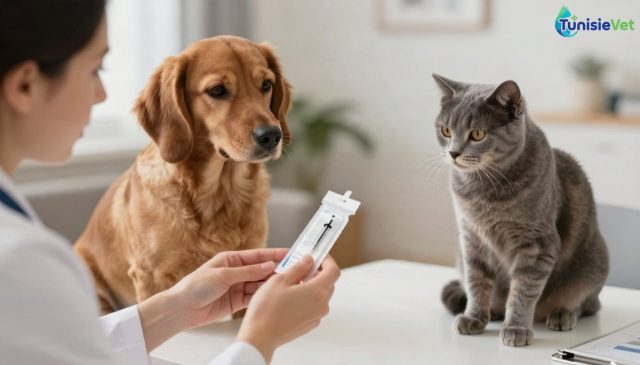
An insecticide for pets should be chosen according to the species, the animal's weight and the use stated on its label. A product intended for a dog or for the garden can be dangerous for a cat or a farm animal. Before any application, check the leaflet and ask a veterinarian for advice if you have any doubt. This guide helps you compare products, use them with care and recognise the signs that require urgent treatment.
The TunisieVet app to care for your pet
Vets, adoption and products



1. Which Pet Insecticide Should You Choose?
Start by identifying the parasite to be controlled and the animal concerned. Fleas, ticks and other parasites do not necessarily respond to the same treatment. A veterinarian can confirm the problem and suggest a suitable solution, especially if the animal scratches without any parasites being visible.
On the packaging, look for the product name, its composition, the approved species, the weight range and the instructions for use. Also check the warnings, the expiry date and the storage conditions. If the leaflet is missing or hard to understand, do not use the product until you have obtained a reliable answer.
Comparing Formats
- Anti-parasite collar: choose a model designed for the species and size of the animal. Adjust it according to the leaflet, then watch the skin around the neck and check regularly that it stays correctly positioned.
- Spot-on pipette: choose the version matching the animal's weight. The leaflet specifies where to apply the contents and the precautions to take while it dries.
- Spray and powder: check that direct application to the animal is allowed. Prevent the product from reaching the eyes, the respiratory tract or the food and water bowls.
- Household or garden product: it is used to treat an environment, not to treat an animal directly. Follow the access restrictions and cleaning instructions on its label.
Do not choose a product based only on price, smell or reputation. A formula suitable for an adult animal is not necessarily suitable for a young animal, a sick animal, or a pregnant or nursing female. Also tell your veterinarian about any other treatments already given.
Why Are Pyrethroids Dangerous for Cats?
Some pyrethroids, in particular permethrin found in products intended for dogs, can be very toxic to cats. Never share a dog pipette between several animals and never apply it to a cat. After treating a dog, prevent the cat from licking the treated area and follow the separation instructions on the leaflet.
A package showing a dog is not enough to establish safety for another species. If you are unsure about the composition or after accidental contact, contact a veterinarian promptly, even if the cat still seems normal.
2. How Can You Apply a Pet Insecticide Safely?
Prepare the treatment in a calm, well-ventilated place, away from children, food and other animals. Weigh the animal, or have it weighed if you do not know its weight. A rough estimate may lead you to choose an unsuitable format.
- Read the entire leaflet: note the dose, the method of application, any contraindications and the time to wait before a new application.
- Protect yourself: wear the protective equipment indicated, including gloves if the leaflet requires them. Do not eat while handling the product and wash your hands afterwards.
- Apply in the right place: for a pipette, part the fur and follow the manufacturer's instructions. Do not put the product in the animal's mouth and do not use it on a wound unless a veterinarian advises it.
- Prevent licking: keep animals apart if necessary, so that they do not lick each other while the product dries. Also stop children from touching the treated area for the period indicated.
- Monitor the animal: watch its behaviour and skin after application. Keep the packaging within reach so you can give the product name and composition if a problem arises.
For a collar, follow the manufacturer's fitting and replacement instructions. Do not wear several collars at once and do not add a pipette or powder without veterinary advice. An extra treatment is not necessarily more effective and may increase the risk of exposure.
In Tunisia, the heat calls for storage precautions. Keep products in their original packaging, away from sunlight and at the temperature stated on the leaflet. Never leave a bottle in a car exposed to the sun, and never decant its contents into a food bottle.
3. Protecting the Home, the Garden and Farm Animals
At Home and in the Garden
An insecticide that is toxic to animals may be found on treated floors, plants, open packaging or bait. Before spraying, move animals and their accessories away: bowls, toys, bedding and food. Also protect aquariums according to the manufacturer's instructions.
Respect the re-entry period stated on the label and ventilate if required. Do not let an animal walk on a surface that is still damp when the leaflet prohibits access. Immediately put the closed product away, out of reach of animals and children.
To limit parasites without multiplying chemical treatments, wash bedding according to its care instructions and vacuum frequently used areas regularly. Also check the coat after outings. If you find a tick, use a suitable tool and ask your veterinarian for a demonstration if necessary.
On Farms
For cattle, sheep, goats or poultry, choose only a product authorised for the species and purpose concerned. Ask your veterinarian how to treat the animals and premises without contaminating water, feed or farm equipment.
For animals whose milk, eggs or meat are intended for food, check the withdrawal periods stated before any use. Also respect restrictions concerning females producing milk and birds in lay. Record the product used, the animals treated and the date of application to make follow-up easier.
In hot weather, provide a shaded area and fresh water during handling. Avoid crowding or confining animals for longer than necessary. Do not spray an occupied building if the leaflet requires that it be evacuated.
4. Insecticide Poisoning in Dogs or Cats: What Should You Do?
Possible signs include unusual drooling, vomiting, agitation, weakness, difficulty walking, tremors or convulsions. Skin or eye irritation may also appear. Symptoms vary according to the product and the exposure: their immediate absence does not guarantee that all is well.
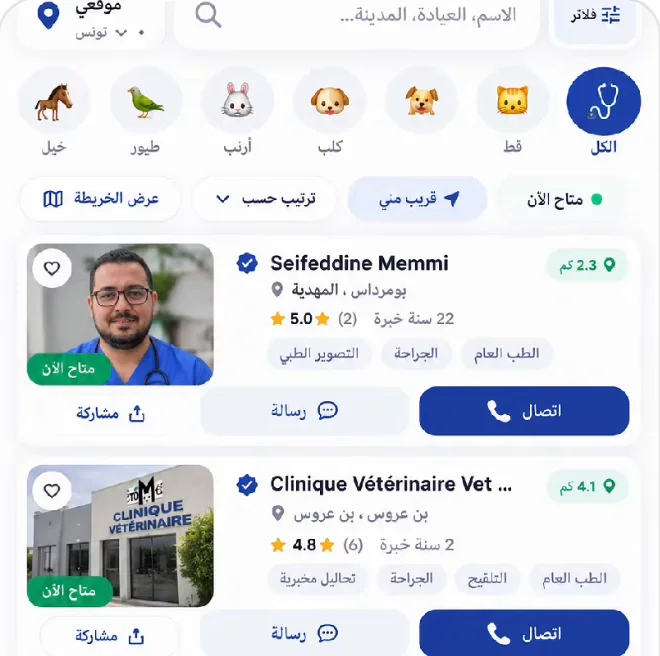
If you suspect poisoning, call a veterinarian immediately. Give the species, the approximate weight, the product name, the estimated quantity and the time of contact. Specify whether the animal swallowed it, inhaled it or was exposed through the skin. You can find the details of a professional in the veterinarian directory.
- Move the animal away from the source without exposing yourself. Wear gloves if you must touch a contaminated coat.
- Remove a suspect collar if you can do so safely. Place it out of reach and keep its packaging.
- Follow the veterinarian's instructions before washing the animal or giving it anything. An animal that trembles, convulses or breathes with difficulty needs emergency care.
- Do not induce vomiting and do not give milk or home remedies without veterinary instruction. Bring the packaging or a clear photo of the label to the consultation.
If several animals may have been exposed, report it when you call, even if only one shows symptoms. The veterinarian can specify the measures to take for each one.
In Summary
- Choose a product explicitly intended for the species, weight and parasite concerned.
- Never treat a cat with a product intended for dogs.
- Follow the leaflet, separate animals if necessary and keep the packaging.
- Keep animals away from treated areas and respect withdrawal periods on farms.
- In case of suspected contact or symptoms, contact a veterinarian immediately.
Frequently Asked Questions
Can you use a garden insecticide on an animal?
No. A product intended for the garden must not be applied to an animal. Choose a treatment whose label explicitly authorises the species and use you need.
How often should an anti-parasite collar be replaced?
The frequency depends on the product: check its leaflet and ask your veterinarian for advice. Replace it according to the manufacturer's instructions, without adding another treatment on your own initiative.
Can you treat a dog and a cat with the same pipette?
No, unless each animal receives a product explicitly suited to its species and weight. To choose a pet insecticide or check an exposure, ask a veterinarian for advice.
Leave a comment
Be the first to comment on this article.
