Complete Guide to Insecticides for Pets and Livestock

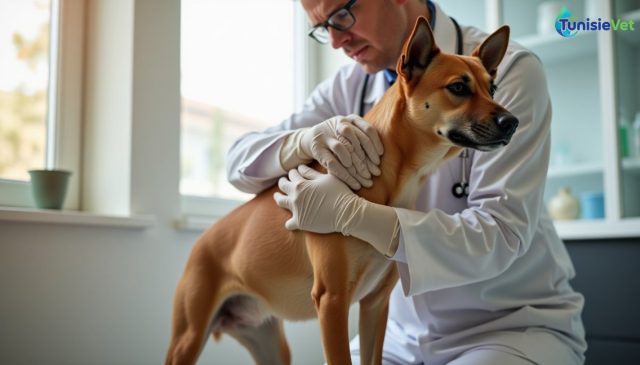
Insecticides protect animals from fleas, ticks, mosquitoes and other external parasites, but misuse can lead to serious poisoning. This practical guide brings together essential veterinary advice for choosing, applying and storing these products safely, whether you're a new pet owner or experienced farmer.
1. Understanding What Insecticides Do
An insecticide is a substance designed to eliminate or repel insects and certain arachnids such as ticks. For domestic and farm animals, they're used primarily against fleas, lice, mosquitoes and flies. Some products work on contact, others through ingestion by the insect, and many combine multiple modes of action for broader effectiveness.
There's a wide variety of product forms: spot-on pipettes, collars, sprays, shampoos, powders or solutions to dilute for spraying livestock facilities. Each format meets different needs depending on the animal species, the area to be treated and the desired duration of protection.
Main product categories
- Spot-on pipettes applied directly to the skin
- Slow-release collars, effective for several weeks
- Sprays for quick, localised treatment
- Insecticidal shampoos, useful as a complement to another treatment
- Products for the environment (bedding, kennels, coops, barns)
2. Choosing the Right Insecticide for Your Animal
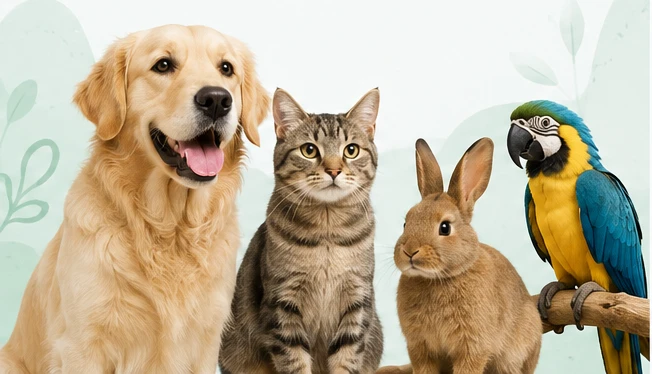
Selecting an insecticide isn't guesswork: each species has its own sensitivities. A product designed for dogs can be toxic to cats, and a treatment for poultry isn't suitable for small companion animals. Always check that the product clearly states the target species.
| Animal type | Suitable forms | Safety points |
|---|---|---|
| Dog | Spot-on, collar, spray | Follow weight guidelines on packaging |
| Cat | Cat-specific spot-on, gentle shampoo | Never use dog products containing pyrethrin |
| Rabbit and small rodents | Species-specific products, reduced dosage | Very sensitive skin, avoid concentrated sprays |
| Poultry (chickens, ducks, turkeys) | Powder for coops, environmental treatment | Follow withdrawal periods for egg consumption if stated |
| Goat, sheep, cattle | Solutions to dilute for spraying | Treat bedding and shelters too |
3. Common Mistakes to Avoid
Most insecticide-related accidents result from misuse rather than the product itself. Knowing these mistakes makes it easy to avoid them.
- Using a dog product on a cat—a frequent cause of serious poisoning
- Not following the animal's weight guidelines on the packaging
- Applying two different treatments at the same time without professional advice
- Treating a sick, very young or pregnant animal without taking special precautions
- Storing products near animal food or human food
- Ignoring expiration dates or using damaged packaging
4. The Right Steps Before, During and After Treatment
Before application
Read the instructions in full, check the species, weight and minimum age recommended. Wear gloves if the product advises it, especially for concentrated treatments meant for livestock facilities.
During application
Apply the product at the indicated location, usually between the shoulder blades for spot-on treatments, parting the hair or feathers well. Avoid any contact with the animal's eyes, mouth and mucous membranes.
After application
- Monitor the animal for several hours afterwards
- Avoid bathing within days of a spot-on treatment, unless otherwise indicated
- Wash your hands after handling the product
- Keep the packaging accessible in case your vet has questions
5. Recognising Signs of Abnormal Reaction
Even an approved product can trigger an individual reaction. It's essential to recognise warning signs to respond quickly.
| Sign observed | Urgency level | Action to take |
|---|---|---|
| Scratching or mild local redness | Low | Rinse the area with clean water, monitor |
| Excessive drooling, tremors | Moderate to high | Contact a vet quickly |
| Vomiting, loss of balance | High | Seek veterinary attention urgently |
| Seizures, difficulty breathing | Very high | Emergency veterinary care immediately |
If you're unsure about an animal's tolerance to an insecticide, it's better to consult a professional before reapplying. A veterinarian near you can confirm the diagnosis and adapt further care.
6. Prevention Over Treatment: Daily Best Practices
Prevention remains your best defence against parasites. Regular maintenance limits the need for frequent insecticide use and reduces exposure risks for both animal and family.
- Clean bedding, baskets or coops regularly
- Ventilate and disinfect livestock facilities at regular intervals
- Brush your animal frequently to quickly detect parasite presence
- Adjust treatment frequency to the season, as insects are more active in warm weather
- Ask a professional for advice on establishing a prevention schedule tailored to your needs
Summary
- Choose an insecticide strictly suited to the animal's species, weight and age
- Never use a product intended for another species, even in an emergency
- Follow the instructions and intervals between applications scrupulously
- Monitor your animal after each treatment and act quickly if unusual signs appear
- Prioritise prevention and regular hygiene to minimise treatment needs
Frequently Asked Questions
Can you use dog insecticide on a cat?
No, it's strongly discouraged and potentially dangerous. Some components tolerated in dogs are toxic to cats. Always choose a product specifically formulated for the species in question.
How often should you apply insecticide to an animal?
This depends entirely on the chosen product and the manufacturer's instructions, as some remain effective for several weeks. If unsure, seek veterinary advice rather than applying multiple treatments.
What should you do if your pet licks insecticide applied to its skin?
Watch carefully for signs of excessive drooling, vomiting or tremors. If any unusual sign appears, contact a vet quickly, keeping the product packaging within reach.
Using insecticides safely requires simply rigour and good daily practices. If you have any doubt about a product, an unusual reaction or choosing an appropriate treatment, a qualified veterinarian is your best resource to guide owners and farmers in the responsible use of insecticides.
Leave a comment
Be the first to comment on this article.