Pesticides for Pets & Livestock: A Complete Guide

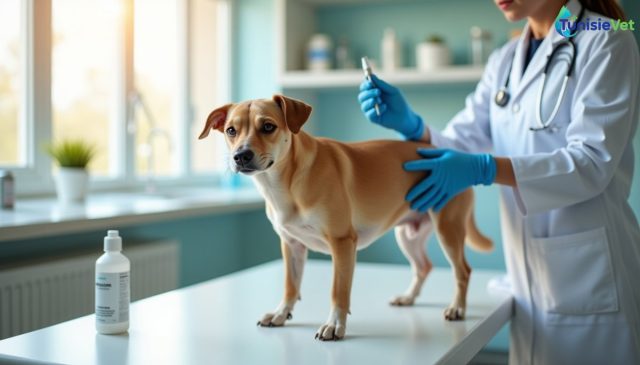
Pesticides are essential for protecting animals and their surroundings from fleas, ticks, flies, and mosquitoes. However, when misused, they can harm both animal and human health. This practical guide explains how to select, apply, and store pesticides safely, using straightforward veterinary advice you can put into practice today.
1. Understanding different types of pesticides
Before purchasing a product, it's crucial to know the main families of pesticides used in animal health and domestic environments.
- Pyrethroids: synthetic derivatives of pyrethrin, effective against fleas, ticks, and mosquitoes, commonly found in animal sprays and spot-on treatments.
- Organophosphates and carbamates: older formulations that are powerful but potentially toxic if dosage isn't respected, especially in young animals.
- Insect growth regulators: prevent larvae from developing rather than killing adult insects directly, useful for long-term prevention.
- Natural pesticides: based on essential oils or diatomaceous earth, requiring careful use since "natural" doesn't automatically mean "risk-free".
Each family works differently, which is why a product effective on dogs can be dangerous for cats.
2. Choosing the right pesticide for your animal and situation
Selecting a pesticide depends on the animal species, its age, weight, and intended use (curative treatment or prevention).
For companion animals
Spot-on treatments, collars, and sprays formulated for dogs aren't always suitable for cats, whose metabolism eliminates certain substances much more slowly. An improperly dosed product can cause tremors, excessive salivation, or convulsions.
For livestock
In poultry coops and farms raising cattle or small ruminants, pesticides mainly target flies, lice, and ticks. Spraying must respect withdrawal periods before animal contact or product consumption (eggs, milk).
For the home environment
Indoor sprays and diffusers against mosquitoes or flies should be chosen with consideration for the presence of animals and children, ensuring proper room ventilation after treatment.
3. Common mistakes to avoid at all costs
Most pesticide poisoning cases result from user error rather than a product defect.
- Using a "dog" product on a cat: a common mistake that can be potentially fatal, especially with permethrin-concentrated spot-on treatments.
- Incorrect dosing based on weight: a spot-on or tablet calibrated for a large animal should never be split roughly for a smaller one.
- Treating a sick, pregnant, or very young animal without veterinary advice: these animals are more sensitive to side effects.
- Combining multiple pesticide products simultaneously: layering a collar, spray, and spot-on increases overdose risk.
- Storing products within reach of animals or children: an improperly sealed bottle can be ingested or spilled.
- Ignoring expiration dates: expired pesticides lose efficacy and may sometimes degrade into more irritating compounds.
4. Applying pesticides safely
Proper application reduces risks for the animal, the person treating, and the surrounding environment.
- Read the entire product label before use, including contraindications.
- Weigh the animal or estimate its weight accurately to follow the prescribed dosage.
- Wear gloves when applying concentrated products.
- Apply the product in a well-ventilated area, away from other animals during drying time.
- Observe the animal during the following hours for any abnormal signs (excessive scratching, vomiting, lethargy).
- Wash your hands after handling, even if you wore gloves.
5. Recognizing signs of pesticide poisoning
Certain signs demand immediate attention and warrant an emergency veterinary consultation.
| Sign observed | Alert level | Action to take |
|---|---|---|
| Intense scratching or licking at application site | Moderate | Monitor, wash the area if possible |
| Excessive drooling, mild tremors | High | Contact a veterinarian promptly |
| Convulsions, breathing difficulties | Emergency | Seek immediate veterinary care |
| Repeated vomiting, marked lethargy | High | Veterinary consultation the same day |
When in doubt, it's always better to consult qualified veterinarians quickly rather than wait for symptoms to worsen.
6. Alternatives and complements to chemical pesticides
To limit repeated use of chemical products, several complementary approaches exist.
- Regular cleaning of living spaces: frequently cleaning bedding, baskets, enclosures, and coops naturally reduces parasite proliferation.
- Food-grade diatomaceous earth: applied as a powder in dry areas, it works mechanically on insects without aggressive chemical compounds.
- Fly traps and mosquito netting: useful as complements in farms and homes to limit insects without direct animal treatment.
- Rotating pesticide products: alternating between pesticide families prevents parasites from developing resistance.
In summary
- Choose a pesticide suited to the animal's species, age, and weight.
- Never use a product formulated for one species on another without verification.
- Strictly follow the doses and withdrawal periods on the label.
- Monitor the animal after treatment and consult if any abnormal signs appear.
- Combine pesticides with hygiene measures to limit their repeated use.
Frequently asked questions
Can you use dog pesticide on a cat?
No, some dog pesticides contain concentrations that are dangerous or even fatal for cats. Always verify that the product is specifically formulated and dosed for the species you're treating.
How often should you apply an anti-parasitic pesticide?
Frequency depends on the product and form used (spray, spot-on, collar), each with its own duration of action indicated on the label. A veterinarian can help establish a schedule suited to your animal's lifestyle.
What should you do if an animal accidentally ingests a pesticide?
Contact a veterinarian immediately without waiting for severe symptoms to appear. Keeping the product packaging handy allows you to provide precise information about its composition.
Using pesticides requires diligence, but remains manageable with the right habits. If you have any doubts about a product, dosage, or symptoms after application, consulting qualified veterinarians remains the safest approach to protect your animals' health long-term.
Leave a comment
Be the first to comment on this article.