
Human Medications Toxic to Animals: The Blacklist

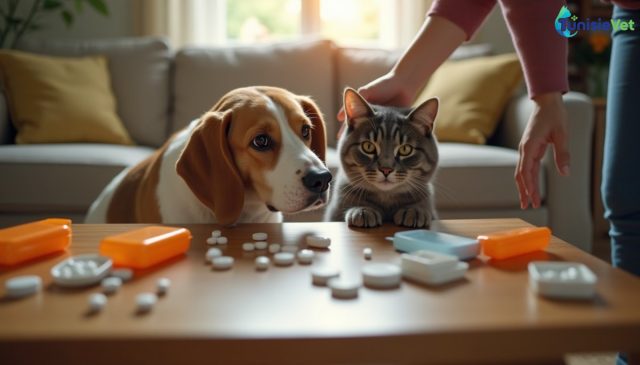
A tablet dropped on the floor, a box forgotten on the bedside table: it takes just minutes for a dog or cat to swallow a human medication that could be toxic. This guide lists the most dangerous drugs for animals, details the symptoms of medication poisoning, and explains the emergency veterinary steps you need to know before it's too late.
The TunisieVet app to care for your pet
Vets, adoption and products





1. Why Human Medications Are So Dangerous for Animals
The metabolism of dogs, cats, horses, and farm animals differs fundamentally from that of humans. A drug well-tolerated by an adult can overload an animal's liver or kidneys within hours. Cats are particularly vulnerable because they lack certain liver enzymes necessary to eliminate many common substances.
The reduced body weight of most companion animals further compounds the risk: a dose considered harmless for a person represents, per kilogram of body weight, a massive overdose for a small dog or cat. This is why no human medication should ever be given to an animal without explicit veterinary advice.
2. Paracetamol, NSAIDs, and Aspirin: The Dangers of Pain Relievers
Paracetamol: A Deadly Poison for Cats
Paracetamol is one of the most lethal substances for cats, even in small doses. It destroys red blood cells and causes severe liver damage, marked by characteristic facial swelling and bluish or grayish gums. In dogs, tolerance is slightly higher, but improper dosing remains critically toxic to the liver.
Ibuprofen and Other NSAIDs
Over-the-counter nonsteroidal anti-inflammatory drugs intended for humans cause digestive ulcers, bloody vomiting, and acute kidney failure in dogs and cats. These medications should never replace a veterinary anti-inflammatory, even in cases of lameness or apparent pain.
Aspirin: An Underestimated Risk
Aspirin disrupts blood clotting and severely irritates the digestive lining. Its use in animals can only be considered with precise veterinary prescription, at a dosage strictly adapted to the species and weight.
3. Antidepressants, Anxiolytics, and Antihistamines: Lesser-Known Dangers
Human psychiatric medications rank among the most frequent causes of calls to veterinary poison centers, often because they are stored within easy reach on a coffee table or inside a handbag.
- Antidepressants: they cause agitation, tremors, seizures, and serious heart problems in both dogs and cats.
- Anxiolytics and sleeping pills: they lead to respiratory depression and loss of coordination that can progress to coma.
- Antihistamines: some are occasionally used in veterinary medicine under strict control, but accidental overdose causes extreme drowsiness, rapid heartbeat, or paradoxical excitement.
- Nasal decongestants: they contain vasoconstrictor substances that are extremely dangerous to the hearts of small animals.
4. Other Common Household Substances to Keep Away from Animals
Other products from the family medicine cabinet pose a real danger:
- Transdermal patches (for pain relief or smoking cessation), even used ones, still contain an active dose capable of poisoning an animal that chews them.
- High-concentration vitamin D supplements cause dangerous calcification of internal organs.
- Creams and ointments containing salicylate derivatives are toxic if repeatedly licked.
- Chewing gum or medications sweetened with xylitol cause a sudden drop in blood sugar levels in dogs and liver damage.
For livestock, horses, or poultry, risk also exists when residues of human medications are left lying around in a barn, enclosure, or chicken coop near the home.
Quick Reference: Main Medication Hazards
| Human Medication | Most Sensitive Species | Main Symptoms | Urgency Level |
|---|---|---|---|
| Paracetamol | Cat, dog | Gray gums, swollen face, lethargy | Extreme emergency |
| Ibuprofen / NSAIDs | Dog, cat | Vomiting, blood in stool, excessive thirst | Emergency |
| Aspirin | Dog, cat, horse | Hemorrhaging, digestive problems | Emergency |
| Antidepressants | Dog, cat | Agitation, tremors, seizures | Extreme emergency |
| Anxiolytics | Dog, cat | Deep drowsiness, loss of balance | Emergency |
| Xylitol (chewing gum, syrups) | Dog | Sudden weakness, tremors | Extreme emergency |
5. Recognizing Signs of Medication Poisoning
Symptoms vary depending on the drug and the amount ingested, but certain warning signs should always alert you:
- Repeated vomiting or presence of blood in vomit or feces
- Sudden lethargy, refusal to get up or eat
- Tremors, seizures, or loss of balance
- Pale, grayish, or bluish gums
- Rapid breathing or conversely abnormally slow breathing
- Swelling of the muzzle, face, or paws
In horses and farm animals, poisoning often manifests as colic, excessive drooling, or a staggering gait—signs that also demand immediate veterinary attention.
6. Emergency Protocol: Essential Steps to Take
- Never induce vomiting without veterinary advice: certain substances become even more dangerous if brought back up through the esophagus.
- Identify the product ingested: keep the box, package insert, or drug name to provide to your veterinarian.
- Estimate the quantity and time of ingestion: this information strongly guides emergency treatment.
- Contact a veterinarian or emergency clinic immediately, even if no visible symptoms appear, as some effects are delayed.
- Transport your animal calmly, avoiding unnecessary exertion that would accelerate absorption of the substance.
To quickly find a veterinary practice near you, the veterinarians directory helps you locate an emergency clinic in your region.
7. Securing Your Home and Farm Long-Term
Prevention remains the best protection against medication poisoning in dogs, cats, and other species.
- Store all medications in a locked cabinet, out of reach and out of sight of animals.
- Never leave tablets on a coffee table, windowsill, or inside an accessible handbag.
- Dispose of used patches and packaging in a sealed trash bin, never in an open waste basket.
- Inform all household members, including children, that giving human medication to an animal is forbidden.
- On farms, clearly separate the human medicine cabinet from the veterinary pharmacy, keeping them in distinct, locked locations.
- Regularly check travel bags, glove compartments, and first-aid kits transported near animals.
Summary
- Never give human medication to an animal without explicit veterinary prescription.
- Paracetamol is extremely toxic to cats, even in small doses.
- Watch for signs of medication poisoning: vomiting, tremors, abnormal gums, lethargy.
- When in doubt, contact an emergency veterinary clinic immediately—don't wait for symptoms to worsen.
- Always store medications, patches, and supplements out of reach of animals.
Frequently Asked Questions
What human medications are most dangerous for cats?
Paracetamol tops the list of toxic human medications for cats, followed by nonsteroidal anti-inflammatory drugs and improperly dosed aspirin. Even a small amount can cause severe liver damage or harm to red blood cells.
What should I do if my dog swallows human medication?
Contact a veterinarian or emergency clinic immediately, specifying the medication name, estimated quantity, and time of ingestion. Do not attempt to make your dog vomit without specific instructions from the veterinary professional you consult.
How can I recognize the first signs of medication poisoning?
Early signs often include vomiting, unusual lethargy, tremors, or discolored gums. Any sudden appearance of these symptoms following possible exposure to a medicine cabinet warrants urgent veterinary consultation.
Keeping human medications completely out of reach remains the most effective preventive measure against medication poisoning in animals. At the slightest suspicion of accidental ingestion, prompt veterinary advice can make all the difference in your animal's survival.
🎬 Watch the video
Leave a comment
Be the first to comment on this article.
