How to Take Your Pet's Temperature: A Complete Beginner's Guide

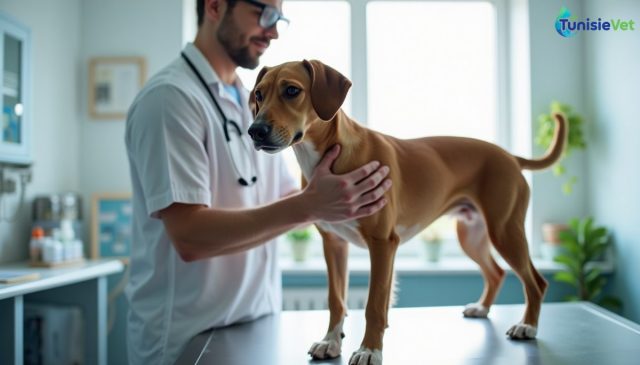
Taking your pet's temperature is often the first thing to do when you notice unusual behavior, loss of appetite, or sudden lethargy. While it's a straightforward procedure, it requires the right equipment and proper technique to be reliable. This practical guide walks you through each step on how to measure your pet's temperature without causing stress and when to seek veterinary advice.
1. Why Measuring Temperature Matters
Body temperature is a valuable indicator of your pet's overall health status. An abnormally high or low reading can signal an infection, heat stroke, shock, or significant pain. Being able to measure temperature allows pet owners and farmers to respond quickly before a situation deteriorates and to provide accurate information to a veterinarian over the phone.
This skill is especially important for young animals and species that hide symptoms easily, such as cats or chickens, where illness can progress silently without obvious warning signs.
2. Equipment Needed and How to Choose
Several types of thermometers are available, each with different levels of accuracy and comfort depending on the species and situation.
- Digital rectal thermometer: the most reliable option, with a soft tip recommended to minimize discomfort.
- Ear thermometer: quick and less invasive, but more prone to positioning errors.
- Infrared non-contact thermometer: convenient for initial assessment from a distance, useful in farm settings, but less precise than rectal measurement.
For home or small farm use, a digital rectal thermometer with a soft tip remains the most versatile and reliable choice, provided it's cleaned and disinfected after each use.
3. How to Measure Temperature Step by Step
The rectal method is the reference standard for most domestic animals. Here's the procedure:
- Gather your materials: thermometer, appropriate lubricant, and a cloth for cleaning afterwards.
- Calm your animal, hold it firmly but gently, ideally with a second person's help if the animal is restless.
- Lightly lubricate the thermometer tip.
- Gently insert the tip into the rectum over a short distance, without forcing.
- Wait for the beep or follow the time indicated by the manufacturer.
- Remove carefully, read the temperature, and note the time of measurement.
- Clean and disinfect the thermometer before storing.
For very small or fragile animals, such as hamsters or guinea pigs, this method can be risky without experience: an ear or infrared thermometer, or direct veterinary advice, is preferable in these cases.
Special Consideration for Birds and Poultry
With chickens, ducks, or turkeys, rectal temperature measurement is delicate and rarely performed by beginners. It's safer to observe indirect signs, such as ruffled feathers, lethargy, or abnormal breathing, and to consult a professional for any precise measurement.
4. Common Mistakes to Avoid
- Using an unsuitable or poorly disinfected thermometer, which causes discomfort and infection risk.
- Measuring immediately after exercise, transport, or stress, which temporarily skews the reading.
- Forcing insertion if your animal resists, which can cause injury.
- Comparing values between different species: each species has its own normal temperature range.
- Failing to record data: without written tracking, it's difficult to assess changes over time.
5. What to Do Based on Your Results
A temperature that clearly deviates from the normal range for your pet's species should always be taken seriously, especially if accompanied by other signs such as lethargy, trembling, or refusal to eat.
| Situation Observed | Frequent Associated Signs | Recommended Action |
|---|---|---|
| Slightly elevated temperature | Animal somewhat tired, appetite maintained | Monitor closely, recheck temperature in a few hours |
| Notably elevated temperature | Lethargy, panting, refusal of food | Contact a veterinarian promptly |
| Low temperature | Cold to the touch, trembling, lethargy | Warm gently and seek immediate veterinary attention |
| Normal reading but other symptoms present | Vomiting, limping, visible wound | Consult despite normal temperature |
When in doubt, it's always better to seek professional advice rather than wait for deterioration. The veterinarian directory helps you quickly find a local practitioner based on your pet's species.
6. Adapting the Technique to Your Animal and Its Temperament
Each animal reacts differently to handling. A cat unaccustomed to being touched may struggle strongly, while a well-socialized dog will accept the procedure more readily if gradually introduced to it outside any illness context. It's recommended to familiarize your animal with touch around the hindquarters from a young age through short, positive sessions, so that temperature measurement never becomes associated solely with stress.
For livestock such as goats, sheep, or cows, restraint must be appropriate to their size and should involve assistance to prevent injury to both animal and handler.
In Summary
- Choose a digital thermometer with a soft tip, appropriate for your pet's species.
- Stay calm, proceed gently, and never force insertion.
- Always record the temperature and time to track any changes.
- Never compare readings across different species.
- Consult a veterinarian if an abnormal reading is accompanied by other symptoms.
Frequently Asked Questions
How often should I take my sick pet's temperature?
If you suspect illness, it's reasonable to measure temperature once or twice daily at consistent times. This regularity helps detect improvement or deterioration and provides accurate information to your veterinarian.
Can I measure temperature without a rectal thermometer?
Yes, an ear or infrared thermometer can provide useful initial readings, particularly for a first assessment. However, these methods are less precise than rectal measurement and cannot replace professional advice in case of doubt.
How do I know if a temperature reading is abnormal without a reference range?
Each species has its own normal body temperature range, usually provided in documentation with a veterinary thermometer or by an animal health professional. If a reading is noticeably different and accompanied by other symptoms, consultation is safer than self-interpretation.
Taking your pet's temperature is an accessible skill for any attentive owner, provided you use appropriate equipment and careful technique. When uncertain about a reading or your animal's general condition, consulting a veterinarian remains the safest course of action.
Leave a comment
Be the first to comment on this article.