
Household Chemicals and Pets: A Complete Safety Guide

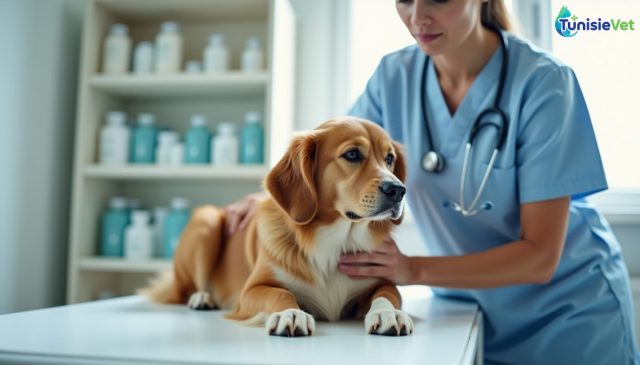
Household chemicals are part of everyday life in any home or farm: cleaning products, disinfectants, pesticides, fertilizers, antiparasitics, or garden care products. When misused or poorly stored, they are one of the leading causes of accidental poisoning in pets and farm animals. This practical guide brings together essential veterinary advice to help you understand the risks, avoid the most common mistakes, and adopt the right habits, whether you're a first-time owner or an experienced breeder.
Why are chemical products dangerous for animals?
Animals often explore the world through smell and taste, which makes them more exposed to toxic substances than humans. A cat that walks on a treated floor and then licks its paws, a dog that sniffs an open container, a hen that pecks at a treated seed: exposure can happen in many ways.
- Ingestion: licking, curiosity, or a product left open or poorly stored.
- Skin contact: walking across a treated area, or splashes while preparing a product.
- Inhalation: solvent fumes, aerosols, or fumes from concentrated disinfectants.
Sensitivity varies depending on the species, weight, and overall health of the animal: young animals, pregnant females, and older animals are generally more vulnerable.
Common mistakes made by beginner owners and breeders
Improper storage
The most common mistake is storing chemical products at an animal's height, in an unlocked cupboard, or in a repurposed food container. A curious animal can open a box, knock over a bottle, or mistake a product for food if it has been poured into an unlabeled bottle or container.
Incorrect dosage or application
Using an antiparasitic or disinfectant at a higher dose than recommended, or applying a product meant for one species to another (for example, a treatment designed for a large animal applied to a smaller one), can cause severe poisoning.
Ignoring drying or ventilation time
Letting an animal access a surface that is still wet with cleaning product, or an enclosure that has just been treated, is a common mistake that increases the risk of skin contact or ingestion.
Best practices for safe everyday use
- Always keep chemical products in their original packaging, properly labeled and sealed.
- Store these products up high or in a locked cabinet, out of reach of both animals and children.
- Strictly follow the doses and instructions listed on the label, without improvising.
- Check that a product is suitable for the animal species before applying it (antiparasitic, shampoo, disinfectant).
- Let a treated surface dry or air out before letting an animal walk on it.
- Keep animals away while applying pesticides, fertilizers, or disinfectants, and wait the recommended time before letting them back.
- Never transfer a chemical product into a food container or water bottle.
- Dispose of empty packaging and leftover product safely, keeping it out of animals' reach.
What to do if you suspect exposure or poisoning?
If an animal shows unusual signs after possible contact with a chemical product (excessive drooling, vomiting, tremors, breathing difficulties, sudden lethargy), it's essential to act quickly and calmly:
- Immediately move the animal away from the source of the product.
- Never try to induce vomiting without professional advice, as some products can cause further damage if brought back up.
- Keep the packaging of the product involved: it helps with identification and treatment.
- Rinse thoroughly with clean water in case of skin or eye contact.
- Contact a professional right away for proper guidance.
Whenever in doubt, it is strongly recommended to quickly consult a professional through the directory of veterinarians for an assessment suited to the species and situation.
Chemical products in livestock farming: extra precautions
On farms, chemical products (building disinfectants, soil treatment products, group antiparasitics) require extra vigilance, since a single mistake often affects several animals at once. It is advisable to:
- Test a product on a limited number of animals before applying it more broadly, whenever possible.
- Respect the waiting periods before letting animals back into treated areas.
- Train anyone working on the farm in the proper use of the products involved.
Frequently asked question: can a regular household product be used on an animal or its environment?
It's best to avoid household products that aren't specifically designed for animals, as their concentration and ingredients may not be suitable. It's better to choose products made specifically for animals or to ask a professional for advice before using anything around your pet.
Adopting the right habits around chemical products helps prevent the vast majority of household accidents. Whenever you're unsure about a product, a dose, or a symptom, consulting a professional remains the best practical guide to protecting your animals' health every day.
Leave a comment
Be the first to comment on this article.
