Chemicals and Animals: The Complete Beginner's Guide

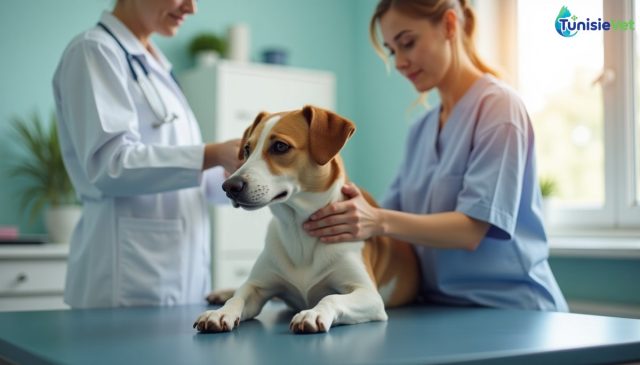
A forgotten bottle of detergent, improperly stored garden pesticide, or spilled antifreeze can be enough to poison an animal in minutes. This guide on chemical products covers common dangers, mistakes to avoid, and essential safety practices to protect your animals every day—whether at home or on a farm.
1. Why Chemical Products Are a Real Danger to Animals
Animals explore their environment with their nose and mouth, making them more vulnerable to toxic substances. Their metabolism, often faster or different from humans, doesn't always break down these substances the same way. Even a small amount can cause much more serious effects in a cat, dog, or bird than in a human adult.
The most problematic chemical products are often found in unexpected places: under the sink, in the garage, at the back of the garden, or in farm buildings. Constant vigilance is needed—not just during spring cleaning.
Routes of Exposure You Should Know
- Ingestion: licking up spills, swallowing the product directly, or consuming contaminated food.
- Skin contact: paws, nose, or skin touching a treated surface.
- Inhalation: solvent vapors, aerosols, or combustion fumes.
- Eye contact: accidental splash during product use.
2. The Most Dangerous Chemical Product Categories
Not all chemical products pose the same level of risk. Here are the main families to watch for in your home or on your farm.
| Category | Common Examples | Primary Risk |
|---|---|---|
| Household cleaners | Bleach, detergents, disinfectants | Digestive burns, skin irritation |
| Garden products | Pesticides, herbicides, fertilizers | Neurological disorders, vomiting |
| Automotive products | Antifreeze, engine oil, gasoline | Kidney toxicity, nerve damage |
| Human medications | Pain relievers, anti-inflammatories | Digestive and liver damage |
| DIY products | Paints, solvents, adhesives | Respiratory irritation, poisoning |
3. Common Mistakes Made by Beginner Owners and Farmers
Many incidents could be prevented with a few simple safety habits. Here are the most common mistakes observed among beginners.
- Storing household products at animal height in unsecured cabinets.
- Using chemical products not specifically designed for animals, such as a parasite treatment meant for a different species.
- Treating the garden or yard without waiting for the recommended drying time before letting animals in.
- Keeping leftover products in food containers, which invites confusion.
- Neglecting ventilation when using solvents or aerosols around animals.
4. Essential Daily Prevention Habits
Prevention is the best protection against chemical products. A few simple habits can significantly reduce risks.
At Home
- Store all products in closed cabinets, out of reach.
- Keep original packaging with clearly readable labels.
- Clean up any spills or leaks on the floor immediately.
- Rinse floors thoroughly after disinfectant treatment before allowing animals back in.
Outdoors and on the Farm
- Fence off or isolate areas treated with pesticides or herbicides.
- Respect re-grazing times specified on agricultural products.
- Store farm products in a dedicated, separate building away from animal living areas.
- Train everyone working on the farm on proper use of chemical products.
5. Recognizing Signs of Poisoning
Certain symptoms should alert you immediately, regardless of the species involved. The faster you react, the better your chances of limiting the consequences.
| Symptom Observed | Urgency Level |
|---|---|
| Sudden vomiting or diarrhea | High |
| Excessive drooling, tremors | High |
| Difficulty breathing | Very High |
| Unusual lethargy, loss of appetite | Moderate to High |
| Visible skin or eye irritation | Moderate |
If you notice any of these signs, never try to make the animal vomit without professional advice, as some chemical products cause additional damage when brought back up. Contact a veterinary professional immediately.
6. What to Do in Case of Accidental Exposure
- Remove the animal from the chemical source immediately.
- Remove any collar or contaminated clothing if skin contact occurred.
- Rinse the affected area thoroughly with lukewarm water, without scrubbing.
- Keep the product packaging to identify it precisely.
- Call a veterinarian, describing the product, estimated quantity, and time of exposure.
For any suspected poisoning, it's essential to consult quickly with veterinarians near you who can assess the situation and provide appropriate treatment without delay.
Summary
- Store all chemical products out of reach in original, clearly labeled containers.
- Always respect drying times and re-entry timelines for treated areas.
- Learn to recognize the early signs of poisoning in your animals.
- Never give human medication to an animal without professional advice.
- When in doubt, contact a veterinarian immediately rather than waiting.
Frequently Asked Questions
What are the most dangerous chemicals for pets?
Antifreeze, pesticides, concentrated household cleaners, and human medications are among the most dangerous. Their toxicity varies depending on the amount ingested and the species involved. It's recommended to systematically store them out of animals' reach.
Can you treat mild poisoning at home on your own?
It's inadvisable to attempt treatment without professional guidance, even with mild symptoms. Some actions, like making the animal vomit, can worsen the situation depending on the product involved. A veterinary opinion is always the safest solution.
How long should you wait after a chemical treatment before letting animals back into the area?
The waiting period varies depending on the product used and should always be checked on the manufacturer's label. Without clear instructions, it's safer to wait for complete drying and good ventilation before allowing animals back in.
Adopting the right practices around chemical products helps prevent most household and farm accidents. Whenever you're unsure about a product or a symptom, seeking veterinary advice remains the safest approach to protect your animals' health.
Leave a comment
Be the first to comment on this article.

📱 عندك صفحة على فايسبوك؟ باهي… أما وين موقعك؟ الصفحة وحدها ما تكفيش. موقعك يخلي الناس تلقاك، يعرفوك أكثر ويثقو في خدمتك. 🌐 موقع باسم مشروعك 📲 يخدم أربعة وعشرين ساعة 🤝 يعطي ثقة واحترافية .📈 يعاونك تكبّر خدمتك خلّيه موجود وين الناس تلوّج عليه 🚀نعملولك موقع يشرّف مشروعك
WhatsApp