
Dog Breeds for Hot Climates: The Complete Guide

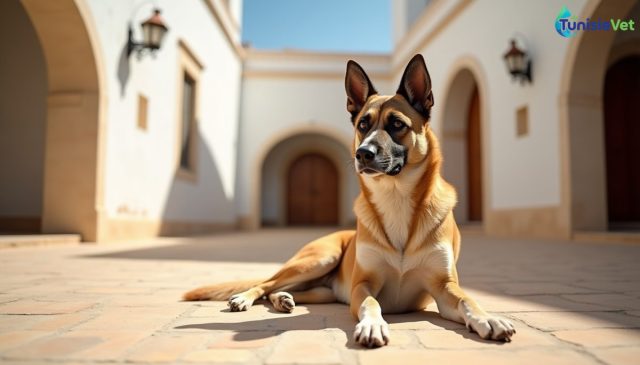
Choosing a dog that can handle intense heat well is a legitimate concern for many owners and breeders living in a Mediterranean or desert climate. Dog breeds for hot climates are not all equal when it comes to sun, sand and long summer days: body shape, coat type, geographic origin and activity level all play a role. This practical guide reviews the key traits to look for when finding a dog suited to Tunisia, whether as a family companion or a hardy working dog.
Why some breeds handle heat better than others
A heat-tolerant dog usually shares several physical traits. These features never guarantee total immunity to heatstroke, but they clearly reduce the risk compared with breeds originating from cold or humid climates.
- A short, fine coat, which limits body heat build-up, unlike the thick double coats designed for insulation.
- A long muzzle (dolichocephalic), which supports more efficient breathing and thermoregulation than short-muzzled breeds (brachycephalic), which are often more vulnerable to heat.
- A lean, athletic build, typical of sighthounds or livestock guardian dogs from arid regions, which helps the body dissipate heat more easily.
- A Mediterranean or desert origin, as these breeds have been selected over generations to thrive in dry, sun-drenched environments.
Mediterranean dog breeds: the best profiles to consider
Among the Mediterranean dog breeds most often cited for their climate resilience are typically primitive-type dogs or short-coated herding breeds, historically used across the Mediterranean basin and North Africa for guarding, hunting or herding livestock. These dogs tend to share:
- An athletic silhouette, with little excess fat mass.
- Natural resilience to temperature swings between hot days and cooler nights.
- Good stamina even in bright sunlight, provided access to water and shade is guaranteed.
By contrast, breeds with thick double coats, developed for mountain or northern climates, generally tolerate intense heat much less well and require extra precautions in summer.
Best North African dog breeds: companion or working dog
For companionship
Households in hot climates will do well to choose a medium-sized, short-coated dog that isn't prone to overheating and whose energy level matches the household's lifestyle. An overly active dog kept in a home without shaded outdoor space may suffer more from the heat than a calmer dog, regardless of breed.
For work or guarding duties
Dogs intended for guarding livestock, farms or rural properties should be chosen primarily for their stamina, hardiness and ability to adapt to prolonged outdoor conditions, rather than for looks alone. A working dog well suited to the local climate will need far fewer special arrangements than a poorly adapted breed.
Minimal care: everyday best practices
Beyond breed selection, a few simple habits help reduce heat-related risks, regardless of the dog's build:
- Always provide plenty of fresh, clean water, including outdoors.
- Ensure access to a shaded or cool area during the hottest hours of the day.
- Avoid strenuous exercise or walks during peak heat; favour early morning or evening outings.
- Watch for signs of heatstroke: excessive panting, heavy drooling, weakness, disorientation.
- Brush the coat regularly to remove dead hair and support natural thermoregulation, but avoid shaving a double coat without veterinary advice.
- Never leave a dog alone in a vehicle, even for a few minutes, during hot weather.
These precautions apply to every breed, even those considered the most heat-resistant: no breed is entirely immune to heatstroke if proper care is neglected.
Choosing the right dog for your lifestyle
Choosing a dog suited to a hot climate should always take several combined factors into account: breed, but also the animal's age, general health, access to shaded outdoor space, and the owner's ability to adjust walk schedules. A puppy or an older dog will always be more vulnerable to heat than a healthy adult, regardless of breed.
Before adopting or buying a dog, it's a good idea to consult a professional to assess how well the intended breed matches the living environment and the animal's health. Veterinarians for dogs can help guide this decision and advise on prevention measures suited to each profile. For those considering adoption rather than buying, the adoption page is also a great place to explore responsible alternatives.
Which dog breed handles heat best?
There isn't a single universally ideal breed, but short-coated dogs with long muzzles and lean builds, often from Mediterranean or desert lineages, generally cope better with intense heat. That said, lifestyle and access to water and shade remain decisive factors no matter which breed you choose.
Need a professional opinion? If in doubt or in an emergency, find a veterinarian near you on TunisieVet.
Leave a comment
Be the first to comment on this article.

TunisieVet in your pocket 📱🐾 Access your veterinary services wherever you are. [ Download the app ]
Learn more