
Small Space Dogs: Choosing and Raising in Apartments

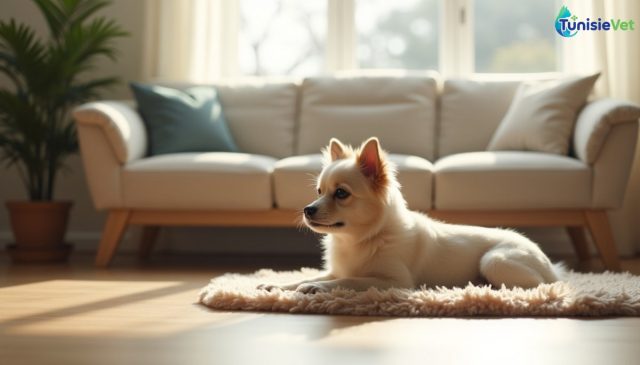
Living in an apartment or compact home doesn't mean you can't welcome a happy, well-balanced dog for small spaces. However, selecting the right breed requires careful consideration: size, energy level, barking tendencies, and mental enrichment needs matter far more than the dog's physical dimensions alone. A dog suited to small spaces isn't necessarily an inactive one—some small breeds are highly energetic, while certain calm larger dogs adapt surprisingly well to compact living.
Which breeds truly suit small spaces?
Contrary to popular belief, an animal's size isn't the only deciding factor. What really matters is the dog's temperament and natural activity level.
- Small, calm breeds: Many companion dogs of small stature adapt well to limited space provided they receive regular outdoor time.
- Medium-sized, low-energy breeds: Some medium-sized dogs with a sedentary, laid-back temperament can live comfortably in apartments.
- Large breeds with low exercise demands: A few large dogs known for calm indoor behavior adapt just as well as a nervous small dog, provided they have adequate daily walks.
Conversely, some small breeds with a lively and territorial temperament can become problematic due to excessive barking if their needs aren't met. Selecting a breed suited to confined living must always account for the individual dog's character, not simply its size.
Understanding exercise needs in small living spaces
A compact home never excuses a dog from its need for physical and mental exercise. Meeting exercise requirements in small apartments depends on consistency rather than available space.
Structured daily outings
- Plan multiple walks per day at regular times, even if they're short.
- Vary your routes to stimulate your dog's sense of smell and curiosity.
- Prioritize active play sessions (fetch, tug-of-war) during walks to compensate for limited indoor space.
Match intensity to the breed
Breeds with strong athletic temperaments, even small ones, require more vigorous physical activity than casual walks. It's essential to research the specific needs of your chosen breed before adoption, rather than relying solely on its size.
Creating a living space that supports your apartment dog's well-being
An apartment dog's well-being depends largely on how thoughtfully you organize the available space.
- Create a safe retreat: A bed or quiet zone where your dog can withdraw promotes a sense of security.
- Minimize clutter: In a restricted space, storing shoes and fragile objects reduces destructive behavior triggered by boredom.
- Provide constant access to fresh water, especially during warm weather.
- Set up enrichment toys (chew toys, sniff mats) so your dog stays occupied when alone without feeling confined.
You can also make use of vertical space: a secured balcony or a window with an outdoor view provides valuable sensory stimulation for a dog spending much time indoors.
Mental enrichment: the key to preventing frustration
In a tight living space, mental stimulation largely compensates for physical space limitations. A mentally engaged dog expends as much—or more—energy than one running aimlessly in a large yard.
- Scent games and food-searching activities.
- Short daily training or trick-teaching sessions.
- Puzzle feeders that require problem-solving.
- Regular toy rotation to keep novelty alive.
A properly mentally stimulated dog typically exhibits fewer problem behaviors such as excessive barking, destruction, or restlessness—issues commonly seen in under-stimulated apartment dogs.
Dog behavior in small spaces: warning signs to watch for
A dog's behavior in a small apartment may change if core needs aren't met. Certain signs should alert you to a problem:
- Repeated barking or whining with no obvious trigger.
- Destructive behavior toward furniture or personal items.
- Excessive restlessness or pacing in circles.
- Compulsive licking or other repetitive behaviors.
These signals often indicate insufficient exercise or mental stimulation rather than a simple training issue. Before pursuing behavioral solutions, consult a professional to rule out underlying medical conditions and receive personalized guidance. Veterinarians specializing in dogs listed in our directory can help you choose the right breed, manage your dog's health, and address behavior challenges suited to restricted living spaces.
Which dog breed should you choose for a small apartment?
There's no universal answer: the best choice depends on your household's activity level, time available for walks, and desired temperament. Prioritize a breed whose natural energy level matches your actual lifestyle rather than simply choosing a small dog. Consulting a professional or local shelter before adoption is your best assurance of harmonious living; our adoption space also lets you meet dogs whose temperament is already well understood.
Need a professional opinion? If in doubt or in an emergency, find a veterinarian near you on TunisieVet.
Leave a comment
Be the first to comment on this article.

TunisieVet in your pocket 📱🐾 Access your veterinary services wherever you are. [ Download the app ]
Learn more