
Dog Breeds for Hot Climates: Choosing and Protecting Your Pet

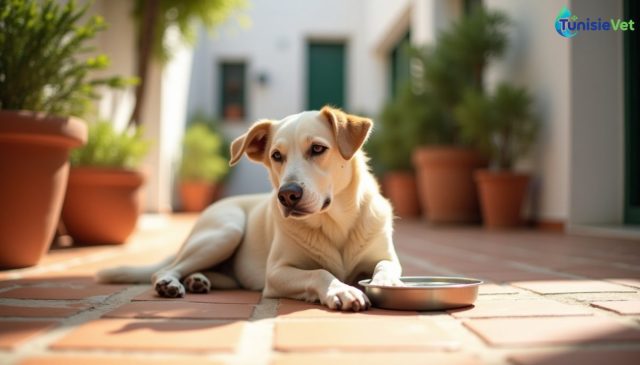
Living in a Mediterranean climate with long, scorching summers means reconsidering many choices, especially when selecting a dog breed. Not all breeds respond equally to heat: some are naturally equipped with excellent heat tolerance, while others struggle as soon as temperatures rise. Whether you're planning to adopt a new companion or simply want to better protect your current dog, understanding which dog breeds thrive in warm climates and their specific needs is essential for safeguarding long-term health.
Why Certain Breeds Handle Heat Better
A dog's ability to regulate body temperature depends on several physical factors: coat length and texture, muzzle shape, overall build, and even coat color. A short-haired dog typically releases body heat more efficiently than a long-coated, dense-haired dog, whose fur acts as an insulating layer. Similarly, dogs with longer muzzles breathe more effectively through panting than brachycephalic breeds (short, flat-faced dogs), which struggle to regulate their internal temperature.
Body size also plays a role: large or heavily muscled dogs produce more metabolic heat and shed excess temperature less easily than medium-sized or lean dogs, which are naturally better designed to dissipate heat.
Characteristics of a Dog Well-Suited to Warm Climates
- Short, fine, or sleek coat without a thick undercoat
- Medium-length to long muzzle, supporting efficient panting
- Moderate build, lean silhouette rather than bulky frame
- Historical geographic origin in arid or semi-desert regions
- Light-colored coat, which reflects sunlight better than dark coats
Summer Adaptation for Dogs: Specific Needs to Anticipate
Even a heat-resistant breed remains a mammal that can suffer in excessive heat without proper environmental support. Helping your dog adapt to summer requires daily vigilance, regardless of breed:
- Ensure constant access to fresh, clean water, refreshed several times daily
- Provide a shaded area, whether natural or artificial, available at all times
- Avoid outdoor activities and strenuous exercise during the hottest hours
- Schedule walks for early morning or evening when ground and air are cooler
- Regularly inspect paw pads, which are vulnerable to burns on hot asphalt
- Never leave a dog alone in a vehicle, even for a few minutes
Short-Haired Dogs in Hot Weather: An Advantage, Not a Complete Shield
Having a short coat is a genuine advantage for temperature regulation, but it doesn't eliminate the need for basic precautions. A short-haired dog remains vulnerable to sunburn on sparsely pigmented areas and also needs shade, water, and rest during peak heat. Conversely, shaving a long-coated dog isn't always advisable: the coat can also provide protection against direct solar radiation, and it's wise to consult a professional before any summer grooming.
Heat Stroke in Dogs: Prevention and Warning Signs
Preventing heat stroke in dogs relies above all on anticipation. This is a life-threatening emergency requiring immediate action. Watch for these warning signs:
- Rapid, loud panting that's difficult to calm
- Excessive drooling, very red gums or conversely pale gums
- Weakness, disorientation, unsteady gait
- Vomiting or diarrhea
- Loss of consciousness in severe cases
If you notice these symptoms, immediately move your dog to shade, cool them gradually with lukewarm water (never ice-cold, as this can cause thermal shock), and contact a veterinary professional right away. A dog that has suffered heat stroke should always be examined by a veterinarian, even if the condition appears to improve quickly, since internal complications can develop in the hours following the episode. It's recommended to consult a veterinarian specializing in canine medicine at the first sign of heat-related distress.
Dog Breeding in Mediterranean Climates: Best Practices for Breeders
For breeders working in Mediterranean climates, heat adaptation extends beyond selecting breeding stock—it encompasses the entire facility design. Key principles include:
- Create extensive shaded outdoor spaces, whether naturally or with dedicated structures
- Ensure good air circulation in kennels and shelters
- Provide multiple access points to fresh water for all animals
- Schedule activity, outdoor time, and training according to temperature conditions
- Monitor puppies, senior dogs, and pregnant females closely, as they're more vulnerable to heat
Regular veterinary supervision allows breeders to refine these practices based on each animal's health status and anticipate the most critical periods of the year.
Which Dog Breed Should You Choose for a Warm Climate?
There's no single "perfect" breed, but rather profiles that are better suited: prioritize a short or sleek-coated dog, of moderate build, with a medium to long muzzle. The household's temperament preferences and lifestyle must also be considered before adoption. For personalized guidance, a canine veterinarian can advise based on your specific needs, and the adoption page features dogs looking for their forever homes.
Need a professional opinion? If in doubt or in an emergency, find a veterinarian near you on TunisieVet.
Leave a comment
Be the first to comment on this article.

TunisieVet in your pocket 📱🐾 Access your veterinary services wherever you are. [ Download the app ]
Learn more