
Pet Eye Care: The Complete Beginner's Guide

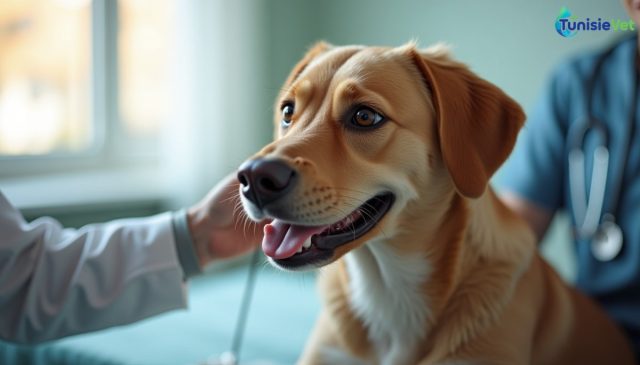
Eye care is one of the simplest hygiene practices to adopt for pets, yet it's frequently overlooked by new pet owners. A red, watery, or swollen eye is never insignificant and may signal an infection, a foreign object, or an underlying health condition. This practical guide covers the essential habits, common pitfalls, and veterinary advice needed to protect your pet's vision every single day.
The TunisieVet app to care for your pet
Vets, adoption and products






1. Why eye care is essential for your pet's wellbeing
The eye is a delicate organ, constantly exposed to dust, wind, parasites, and temperature changes. In dogs, cats, rabbits, and farm animals, the eyes continuously interact with the external environment and serve as a frequent entry point for infections.
Regular monitoring helps catch early signs of discomfort: excessive blinking, pawing at the eye, or a half-closed eyelid. The sooner an eye problem is detected, the easier it is to treat without lasting damage to your pet's sight.
2. Recognizing a healthy eye and spotting warning signs
Before you can take action, you need to know how to observe. A healthy eye is clear, wide open, free of redness and abnormal discharge. The pupil reacts normally to light, and both eyes appear symmetrical.
Signs that warrant immediate attention
- Persistent redness of the white of the eye or eyelids
- Thick, colored (yellow or green) discharge or excessive tearing
- Swollen, closed eyelid, or sensitivity to light
- Whitish or bluish film covering the cornea
- Pet repeatedly scratching or rubbing at the eye
- Noticeable difference in pupil size between eyes
These symptoms, whether isolated or combined, justify a prompt veterinary visit rather than waiting and hoping for improvement.
3. Daily eye cleaning: the correct method
Preventive eye cleaning prevents the buildup of secretions that can irritate surrounding skin or trigger infection, especially in long-haired breeds or breeds with short muzzles.
Step-by-step process
- Wash your hands thoroughly before any eye contact
- Use a clean compress or saline solution—never cotton, which sheds fibers
- Wipe from the inner corner of the eye outward
- Use a fresh compress for each eye to prevent spreading potential infection from one eye to the other
- Inspect the cleaned area for any abnormalities
This simple routine, performed once or twice weekly depending on your pet's needs, typically prevents most mild irritations.
4. Common mistakes to avoid
Many pet owners, unknowingly, make minor eye problems worse. Here are the most frequent mistakes.
- Using unsuitable products: human eye drops or ointments aren't always safe for animals and can be toxic.
- Wiping too hard or with rough fabric: the cornea is extremely sensitive and scratches easily.
- Delaying a veterinary visit while hoping the problem resolves on its own, only to watch it worsen.
- Reusing old medication from a previous eye issue without veterinary approval, when the cause may be entirely different.
- Neglecting hair around the eyes in long-coated breeds, which can mechanically irritate the cornea.
5. Risk factors by animal type
Certain anatomical or environmental features increase eye vulnerability. The table below summarizes key concerns for the most common pets.
| Animal | Primary risk factor | Practical advice |
|---|---|---|
| Flat-faced dog (brachycephalic) | Prominent eyes, increased exposure to trauma and dust | Daily cleaning and enhanced monitoring |
| Cat | Susceptibility to viral respiratory infections affecting the eyes | Isolate sick cats and consult a vet promptly |
| Rabbit | Risk of dental abscesses that can compress the eye | Monitor teeth alongside eye health |
| Chickens and poultry | Exposure to bedding dust and ammonia | Regularly air and clean the coop |
| Horses and donkeys | Exposure to wind, sand, and insects | Protect eyes during sunny outdoor activities |
6. When to see a veterinarian immediately
Certain eye conditions are emergencies and should never be managed at home. These include a suddenly closed and painful eye, visible trauma (scratches or impact), a pupil that no longer reacts to light, or heavy purulent discharge.
Time is critical in these situations: some corneal injuries can progress to permanent vision loss if not treated quickly. It's best to consult qualified veterinarians as soon as these signs appear, rather than attempting home treatment. A professional can perform a thorough examination, measure eye pressure if needed, and prescribe treatment suited to the actual cause.
7. Prevention over treatment: building good long-term habits
Prevention remains your best defense against eye problems. It relies on a few simple practices to add to your pet's routine.
- Check your pet's eyes during each grooming or brushing session
- Maintain a clean, well-ventilated, and dust-free environment
- Regularly trim hair around the eyes in affected breeds
- Protect your pet from strong wind and sand during outdoor outings
- Schedule annual veterinary checkups that include eye examination
In summary
- Observe your pet's eyes daily for any changes
- Clean with a clean compress and appropriate solution—never use human products
- Avoid common mistakes: delayed vet visits, wrong products, or excessive pressure
- Seek immediate veterinary care if you notice pain, abnormal pupils, or purulent discharge
- Adopt regular preventive habits rather than waiting for problems to develop
Frequently asked questions
Can I clean my pet's eyes with tap water?
It's better to use saline solution rather than tap water, which may contain irritating impurities. In a pinch, boiled water that has cooled can work temporarily.
How often should I check my pet's eyes?
A quick visual check each day is ideal, especially for at-risk breeds like flat-faced dogs. A more thorough cleaning can be done once or twice weekly depending on your pet's individual needs.
Is light eye discharge always serious?
Light, clear discharge is often normal, especially after sleep or exposure to wind. However, thick, colored discharge or discharge accompanied by other symptoms requires veterinary attention.
Caring for your pet's eyes requires neither sophisticated equipment nor specialized knowledge—only consistency and careful observation. By making eye care part of your daily routine and seeking veterinary advice whenever you're unsure, you'll protect your pet's vision for years to come.
🎬 Watch the video
Leave a comment
Be the first to comment on this article.
