
Complete Guide to Safely Transporting Your Pet

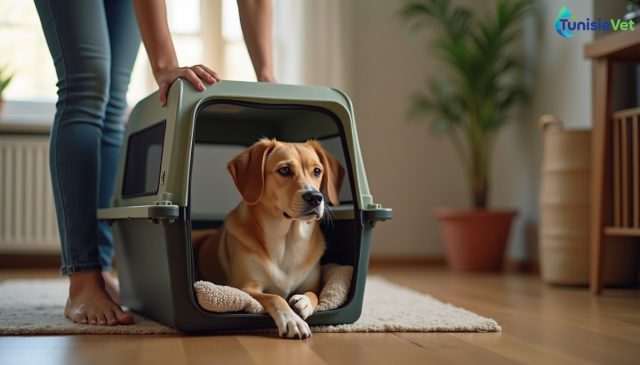
Transporting a pet—whether for a routine veterinary visit, a house move, or a long car journey—requires proper planning and preparation. An unprepared animal can experience stress, nausea, or even injury during travel. This practical guide walks you through essential steps and common mistakes to avoid, ensuring every trip goes smoothly for cats, dogs, farm animals, or livestock.
Why Proper Pet Transport Planning Matters
Transport is a significant source of stress for most animals, regardless of their travel experience. An anxious pet may attempt to escape, injure itself while struggling, or suffer from motion sickness and digestive upset. Proper preparation minimizes these risks and makes journeys more comfortable for both animal and owner.
Needs vary based on species, age, and temperament. A kitten experiencing its first carrier ride will react differently than an adult dog accustomed to regular trips. Tailoring each step to your specific animal's needs is key to success.
Essential Equipment for Safe Pet Transport
Choosing the right gear largely determines how smoothly your journey will go. Here's what you should prepare before any trip:
- A properly-sized carrier or transport crate large enough for your pet to turn around and stretch out comfortably.
- A seat belt or restraint system for dogs traveling in vehicles without a crate.
- Absorbent bedding or pads in case your pet needs to relieve itself during travel.
- Fresh water and a small bowl, especially important on longer trips or in hot weather.
- A familiar blanket or cloth with scents from home to comfort your pet during the journey.
For farm animals such as goats, sheep, or poultry, properly ventilated cages or pens sized appropriately for the animal are essential to minimize stress and prevent injury during transport.
Acclimate Your Pet to Its Carrier in Advance
One of the best veterinary recommendations is to familiarize your pet with its transport carrier well before travel day. Leave the carrier open around your home with a soft blanket and perhaps some treats inside. This helps your animal associate it with a safe space rather than a source of anxiety.
Common Transport Mistakes to Avoid
These frequent errors—though common—can seriously compromise your pet's well-being during travel:
- Feeding your pet shortly before departure, which increases the risk of nausea and vomiting.
- Leaving your pet unattended in a parked vehicle in direct sunlight, even briefly—this can quickly lead to life-threatening heat stress.
- Using a crate that's too small or poorly ventilated, causing additional discomfort and stress.
- Skipping rest stops on longer journeys, which are vital for your pet to drink, stretch, and toilet.
- Failing to check that carriers and restraints are properly secured—an oversight that can result in escape or accident.
It's also wise to avoid giving your pet a large meal in the hours before departure, while still allowing normal water intake.
Planning Your Trip Based on Travel Type
Short journeys, such as a vet visit
For brief trips, the priority is securing your pet in a stable carrier and providing reassurance through calm conversation during travel. Avoid sudden movements and drive smoothly.
Long journeys or relocations
For extended trips, plan regular stops, monitor the vehicle's temperature, and always keep water readily available. An animal accustomed to short outings will handle longer travel better if the transition happens gradually.
Before any significant journey—especially if your pet shows signs of anxiety, stress, or has pre-existing health concerns—consult a professional for personalized advice. You can browse our veterinarian directory to find a practitioner near you and receive tailored guidance before you depart.
Transporting Your Pet with Confidence: Key Takeaways
- Introduce your pet to its carrier well before travel day.
- Select equipment appropriate for your pet's size and species.
- Avoid large meals before departure, but maintain proper hydration.
- Never leave a pet unattended in a hot vehicle.
- Schedule regular breaks during long trips.
- Stay calm and reassuring—your pet picks up on your stress.
Should You Have Your Pet Examined Before a Long Journey?
Yes, it's a wise practice, especially for older animals, those with health conditions, or pets unaccustomed to travel. A veterinarian can assess whether your animal is fit for the journey and provide health-specific recommendations. Taking this step allows you to anticipate potential issues and travel with peace of mind.
Leave a comment
Be the first to comment on this article.
