
Safe Animal Transport: The Complete Guide

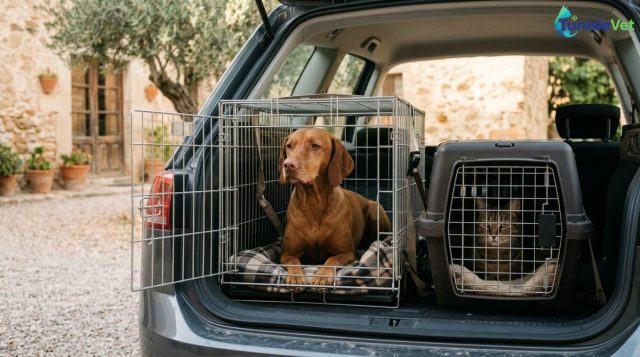
How do you safely transport an animal, whether it's a cat to the veterinarian or a herd between two pastures? The answer comes down to three essentials: preparation, proper equipment, and respect for animal welfare. This guide walks you through the concrete steps to ensure smooth travel, even in Tunisia's warm climate, regardless of which animal you're transporting.
1. Prepare Your Animal Before Departure
Preparation should begin several days before travel, not on the morning of departure. An animal that's stressed or poorly prepared will react badly to transport, regardless of its size.
- Gradually acclimate your animal to its crate, van, or trailer by letting it explore freely before the journey day.
- Avoid feeding a large meal in the hours before departure to reduce the risk of nausea or bloating.
- Have an up-to-date health certificate and verify that essential vaccinations are current, especially for long trips or travel to a new region.
- For nervous animals, a calm outing before loading helps reduce initial excitement.
If you're uncertain whether an elderly, ill, or pregnant animal is fit to travel, professional veterinary advice is your best safeguard. Dog owners can consult the list of veterinarians for dogs before any major journey.
Special Case: Young Animals
Puppies, kittens, and young poultry tolerate long trips less well. It's preferable to wait until they're sufficiently developed, unless absolutely necessary.
2. Choose Appropriate Transport Equipment
Transport equipment directly determines your animal's safety and comfort during travel. It must be sturdy, well-ventilated, and the right size.
| Animal | Recommended Equipment | Key Considerations |
|---|---|---|
| Cat | Hard-sided crate with secure closure | Large enough to turn around, non-slip mat |
| Dog | Approved cage or vehicle safety harness | Stable fixation, continuous ventilation |
| Horse, Donkey | Van or trailer with protective fittings | Non-slip flooring, padded partitions |
| Ruminants (sheep, goat, cow) | Livestock trailer with dividers | Limited density per animal, adequate ventilation |
| Poultry (chicken, turkey, duck) | Slatted crates or ventilated boxes | Avoid overcrowding, provide permanent shade |
For small pets, a hard-sided crate is preferable to a soft carrier for longer trips. Cat owners will find helpful advice from the veterinarians for cats listed in our directory.
3. Adapt Transport to Warm Climate Conditions
Tunisia's warm climate requires additional precautions for any animal transport during summer or the hottest parts of the day.
- Travel early in the morning or late in the afternoon, avoiding peak heat hours.
- Ensure continuous ventilation in the vehicle without exposing your animal to direct cold air currents.
- Provide fresh water at regular intervals, especially for journeys lasting several hours.
- Never leave an animal alone in a closed vehicle, even for a few minutes—the interior temperature rises rapidly.
- For large animals like horses, cattle, or camels, plan stops to allow them to drink and rest.
Signs of heat stress—excessive panting, heavy salivation, lethargy—demand immediate attention and a stop in the shade.
Transporting Ruminants and Camels Over Long Distances
Farmers moving sheep, goats, or camels between regions should limit travel duration and split journeys when possible. Adequate space per animal prevents crushing and injury during vehicle movements.
4. Secure Your Journey, Step by Step
- Check your vehicle, trailer, or van before departure: tires, hitch, and closures.
- Load your animal into its transport equipment calmly and without rushing.
- Secure the crate or cage firmly to prevent sliding during braking.
- Plan a route with regular stops for longer journeys.
- Keep a first-aid kit suitable for your animal's species within easy reach.
- Monitor your animal's behavior throughout the journey without opening the crate while moving.
For horses, checking the tie and van halfway through allows you to spot any signs of discomfort. Horse owners can consult with veterinarians for horses for a pre-journey health check before long trips.
5. Protect Animal Welfare During Transport
Animal welfare during transport extends beyond physical safety—it also includes managing stress and discomfort.
- Use a blanket or familiar cloth to reassure your animal with familiar scents.
- Minimize noise and sudden movements around the crate or van.
- For poultry, avoid direct sunlight and overcrowding in crates.
- For particularly anxious pets, discuss calming solutions with your veterinarian in advance.
An animal handled calmly before departure typically arrives at its destination more relaxed.
Summary
- Prepare your animal several days in advance and check its health records.
- Select transport equipment appropriate for your animal's species and size.
- Travel during cooler hours and ensure constant ventilation and hydration.
- Secure your vehicle and monitor your animal throughout the journey.
- Reduce stress with calm handling and a familiar environment.
Frequently Asked Questions
Can I transport a sick or injured animal?
A sick or injured animal should only be transported if absolutely necessary and only after professional veterinary consultation. It's better to stabilize the animal's condition before any travel and adapt the equipment to its specific needs.
How often should I stop during a long journey?
For large animals like horses, donkeys, or ruminants, regular stops allow you to check hydration and comfort. For small pets in carriers, stopping every few hours to offer water is generally sufficient.
What's the best way to reduce stress during animal transport?
Acclimating your animal to its equipment before departure, maintaining a calm environment, and using a familiar object significantly reduce anxiety. Avoiding rough handling and loud noises also contributes to a smoother journey.
Safely transporting an animal requires planning, quality equipment, and consistent attention to its comfort, especially in a warm climate. When in doubt about whether an animal is fit to travel, professional advice is invaluable: consult our veterinarian directory to find a qualified practitioner near you before your next journey.
Leave a comment
Be the first to comment on this article.
