Transporting Pets Safely: Essential Veterinary Guide

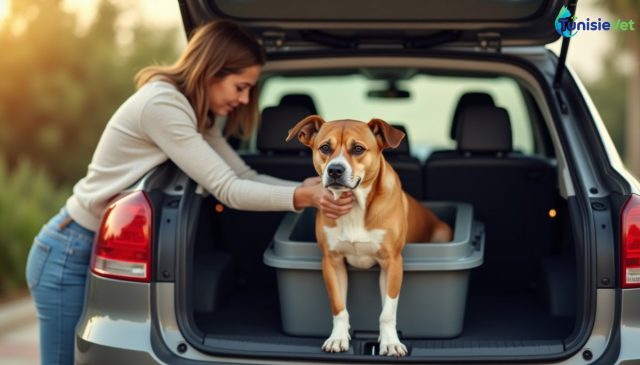
Transporting your pet safely requires simple but essential preparation: a suitable carrier, prior habituation, regular stops, and vigilance against heat. Whether it's a vet visit, moving house, or a long journey, this practical guide answers the most common questions from pet owners and provides concrete veterinary advice you can apply right away.
1. What equipment should you choose to transport a pet?
The right equipment depends on the species, size, and length of the journey. A rigid transport carrier works perfectly for cats and small dogs, while an approved safety harness may suffice for a larger dog traveling in a vehicle.
- Rigid carrier with adequate ventilation grilles and a non-slip floor.
- Soft transport bag for short trips and small pets.
- Harness or approved safety belt for dogs traveling in the back of the vehicle.
- Specific transport cage for birds, rodents, or reptiles, with partial darkness to reduce stress.
The size of your equipment matters as much as its strength: your pet must be able to stand, turn around, and lie down without feeling cramped.
Special considerations for sensitive species
Rabbits, hamsters, and birds handle sudden temperature changes and jolts poorly. A stable, secured carrier positioned away from engine vibrations significantly reduces their stress during travel.
2. How do you get a pet used to a transport carrier?
Gradual habituation is the key to transporting your pet without causing excessive anxiety. Simply introduce the carrier several days before departure, allowing your pet to explore it freely.
- Place the open carrier in a familiar location, with a blanket or favorite toy inside.
- Reward your pet each time it approaches or enters the carrier spontaneously.
- Close the door for a few minutes without moving the carrier, then gradually increase the duration.
- Take a short car trip before the main journey to gauge your pet's reaction.
This method significantly reduces vocalizations, restlessness, and the risk of escape when opening the carrier.
3. What precautions should you take before a long journey?
Before departure
- Avoid a heavy meal in the hours before travel to prevent nausea.
- Bring fresh water and a collapsible bowl for each stop.
- Ensure your pet's identification (collar, tag) is in place.
- Pack health records and any ongoing medications.
During the journey
Regular stops allow your pet to hydrate, stretch their legs, and relieve themselves safely, always on a leash for dogs and cats accustomed to going outside.
4. How should you manage heat during transport?
Heat is one of the main dangers when transporting a pet, particularly in a vehicle. A poorly ventilated interior can quickly become critical, even on a short trip.
| Situation | Risk Level | What to do |
|---|---|---|
| Vehicle parked in direct sunlight | High | Never leave your pet alone, even for a few minutes |
| Journey with moderate air conditioning | Low | Check your pet's behavior regularly |
| Transport in unventilated cabin | High | Plan frequent stops and provide fresh water |
| Early morning or evening journey | Low | Choose these times during hot periods |
Excessive panting, excessive salivation, or lethargy are warning signs that require an immediate stop in the shade.
5. What mistakes should you avoid when transporting a pet?
- Leaving your pet loose in the vehicle without a carrier or harness, which increases risks during sudden braking.
- Neglecting hydration breaks during long journeys.
- Using a carrier that is too small or unstable, increasing stress.
- Giving your pet a sedative without professional advice.
- Failing to provide adequate ventilation in the transport space.
If you have any doubts about your pet's health before a trip, or if it shows significant anxiety, it's recommended to consult a local veterinarian for advice tailored to your pet's situation.
6. Flying, train, or public transport: what you need to know
Each transport mode has its own rules regarding carrier size, whether pets travel in the cabin or cargo, and required health documents. Checking directly with the carrier before booking avoids unpleasant surprises on departure day.
For dogs and cats traveling abroad, an up-to-date health certificate and compliant identification are typically required. Planning these steps several weeks in advance remains the best guarantee of peace of mind.
Summary
- Choose a carrier or harness suited to your pet's size and species.
- Gradually habituate your pet to the equipment before the main journey.
- Bring water, plan regular stops, and carry health documents for any long trip.
- Never leave a pet alone in a vehicle exposed to heat.
- Seek professional advice if your pet shows significant stress or has a pre-existing condition.
Frequently asked questions
Can you transport a pet in a car without a carrier?
It's not recommended, as a loose pet in the vehicle poses a danger during sudden braking or accidents. An approved safety harness or suitable carrier remains the safest solution for all journeys.
How often should you stop during a long car trip with a pet?
A stop every two to three hours allows your pet to hydrate and relax. This frequency can increase during very hot weather or if your pet shows signs of agitation.
How long before departure should you start getting your pet used to a carrier?
Ideally, habituation begins several days, or even one to two weeks before the trip. This timeframe allows your pet to associate the carrier with a reassuring environment rather than a source of stress.
Transporting your pet with peace of mind ultimately depends on planning ahead and carefully observing its behavior. If you have any doubts before an important move, consulting a veterinarian remains the best reflex to ensure a safe journey.
Leave a comment
Be the first to comment on this article.

Be among the first to use our app. Sign up and get early Google Play access.
Discover