
Mandatory Pet Vaccination in Tunisia: Schedule & Requirements by Species

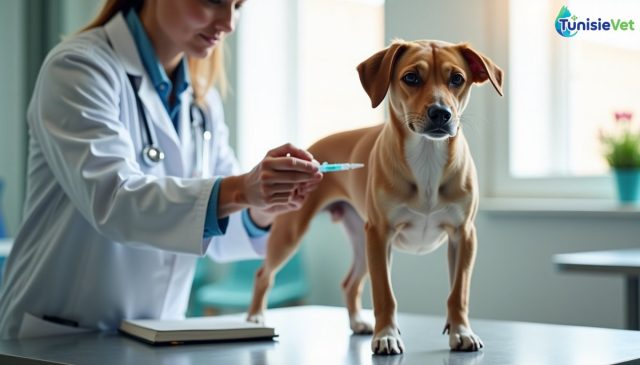
Mandatory pet vaccination in Tunisia primarily concerns rabies for dogs and cats, as well as certain regulated diseases in ruminants and poultry. This practical guide details the vaccination schedule, administrative procedures, and penalties for non-compliance, helping you keep your animals legally protected year-round.
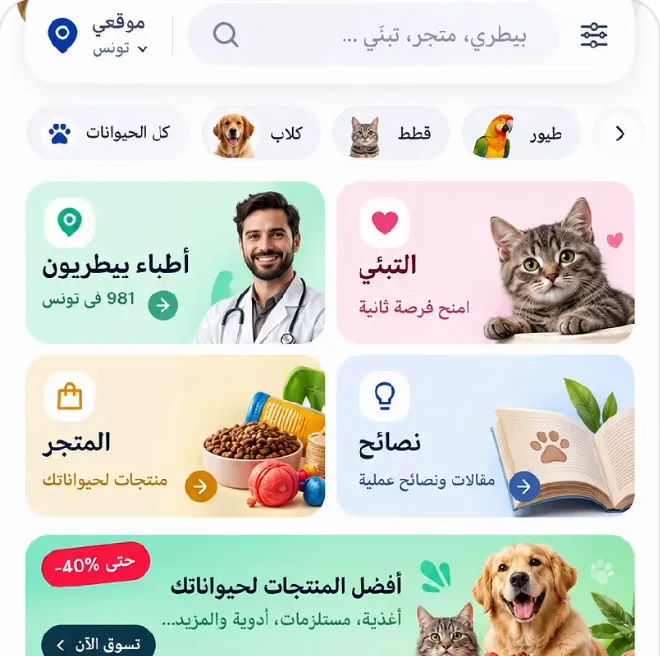
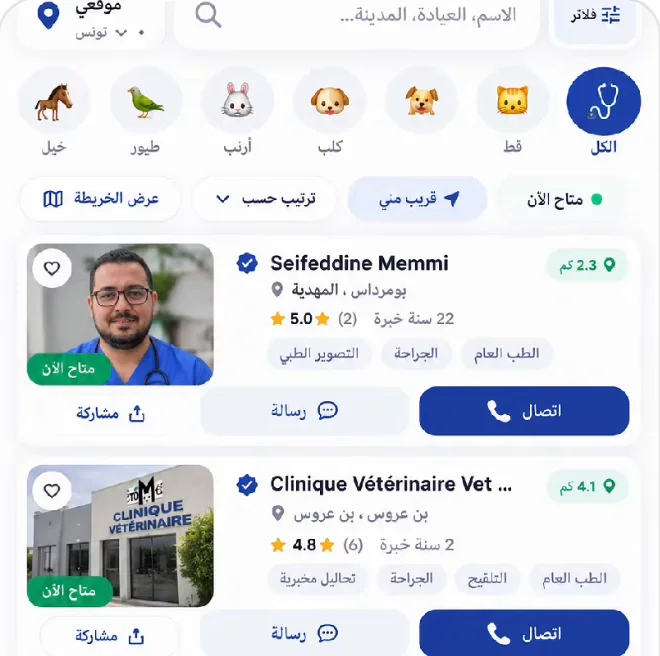
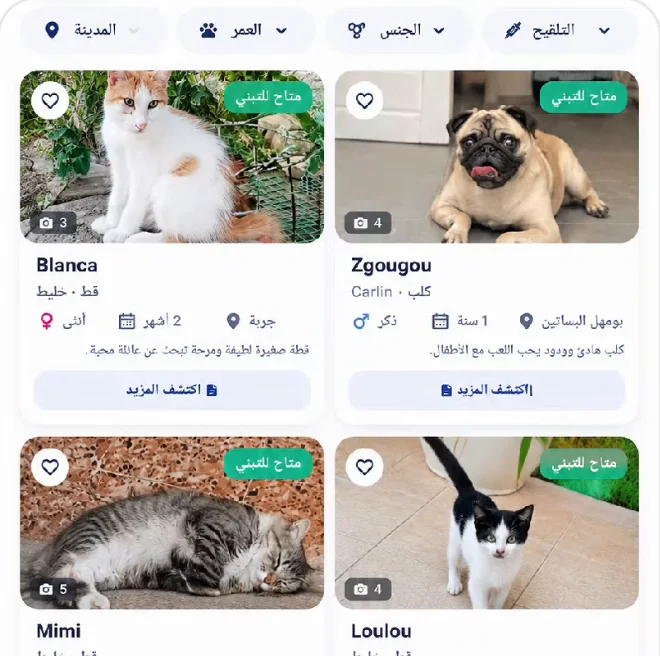
The TunisieVet app to care for your pet
Vets, adoption and products

1. Why Are Certain Vaccines Mandatory in Tunisia?
Mandatory vaccination serves both public health and national livestock protection objectives. Rabies, a fatal viral disease transmissible to humans, justifies strict surveillance of domestic carnivores. For ruminants and poultry, certain contagious diseases with significant economic impact also require vaccination coverage regulated by veterinary health authorities.
This animal vaccination regulation in Tunisia aims to limit the spread of zoonotic diseases, protect livestock operations, and facilitate commercial exchange of animals or animal products, particularly during transport, sales, or exhibitions.
2. Rabies in Dogs and Cats in Tunisia: Non-Negotiable Vaccination
Anti-rabies vaccination is the most well-known mandatory vaccination requirement. It applies to all dogs and cats owned by private individuals, whether they live in apartments, houses with gardens, or on farms.
Primary vaccination and booster shots
- Puppies and kittens receive their first rabies injection as soon as the minimum age recommended by the vaccine manufacturer is reached.
- A booster is then administered according to the schedule indicated in the vaccination protocol chosen by the treating veterinarian.
- Subsequent boosters must be renewed continuously for protection to remain valid under regulations.
Why delaying vaccination matters
A delay in the booster shot breaks the continuity of vaccination coverage recognised administratively. The animal is then considered unvaccinated until a new complete primary vaccination is completed, which can cause problems in the event of a bite, travel, or inspection.
3. Mandatory Vaccination Schedule for Ruminants
Ruminant vaccination requirements apply to cattle, sheep, and goats kept in livestock operations, whether professional herds or small family holdings. Vaccination campaigns are generally organised collectively, often under the authority of regional veterinary services.
| Species | Type of Monitoring | Typical Frequency | Organising Authority |
|---|---|---|---|
| Cattle | Scheduled collective campaigns | Annual or per official calendar | Regional veterinary services |
| Sheep | Scheduled collective campaigns | Annual or per official calendar | Regional veterinary services |
| Goats | Scheduled collective campaigns | Annual or per official calendar | Regional veterinary services |
| Dogs and Cats | Individual vaccination at veterinary clinic | Primary vaccination then regular boosters | Animal owner |
The farmer must keep an up-to-date herd register noting sanitary interventions, including vaccinations. This document is requested during inspections and facilitates health monitoring of the flock.
4. Poultry: What Obligations for Farms?
In poultry operations, whether family-run or commercial, certain sanitary and vaccination measures may be required depending on herd size and epidemiological risks present in the region. Professional farmers are generally monitored more closely than small family keepers.
- Regular health monitoring of the poultry house limits the risk of contagious disease spread.
- Any abnormal or grouped mortality must be reported promptly to the competent veterinary services.
- Compliance with biosecurity measures (cleaning, disinfection, quarantine of newcomers) usefully complements vaccination protection.
For personalised monitoring of your poultry operation, whether chickens, turkeys, or ducks, it is recommended to regularly consult a professional through the directory of veterinarians for chickens.
5. Vaccination Passport and Administrative Procedures
The vaccination passport in Tunisia (or health booklet) is the official document attesting to vaccinations received by a dog or cat. It must be issued and completed by the veterinarian with each injection.
What the booklet must contain
- The animal's identity (species, breed, sex, age, description).
- The owner's contact details.
- The date, type of vaccine administered, and the veterinarian's stamp or signature.
- The date of the next booster shot to plan.
When is this document required?
The vaccination booklet is systematically requested when travelling with the animal, boarding, professional grooming, dog or cat shows, or when reporting a bite incident. Keep it up-to-date and easily accessible at all times.
6. Penalties for Non-Vaccination
Failing to comply with vaccination requirements exposes the owner or farmer to consequences that go beyond a simple warning. An unvaccinated animal, especially if it bites a person or another animal, greatly complicates health case management and may result in enhanced surveillance measures or even euthanasia if rabies cannot be ruled out.
Administratively, the absence of mandatory vaccination in Tunisia may also:
- Prevent obtaining documents necessary for international travel with the animal.
- Engage the owner's civil liability in case of an incident involving their animal.
- Delay or block the sale, transport, or participation in a fair for livestock animals.
For herds, non-compliance with collective vaccination campaigns may also limit access to certain subsidies or health authorisations granted by competent services.
7. Organising Your Legal Vaccination Veterinary Visit
To stay compliant, it is better to plan ahead than to react. Here is a simple method to ensure you don't miss any deadline.
- Note the date of each vaccination in a calendar or dedicated app, in addition to the paper booklet.
- Schedule an appointment with your veterinarian a few weeks before the booster due date, as schedules can be busy during peak demand periods.
- Always request a copy or duplicate of the vaccination booklet in case you lose the original.
- For farms, designate a responsible person in charge of monitoring the vaccination schedule for the entire herd or flock.
Dog and cat owners can consult specialists through the dedicated pages for veterinarians for dogs and veterinarians for cats, while cattle, sheep, and goat farmers will find suitable contacts on the pages for veterinarians for cattle, veterinarians for sheep, and veterinarians for goats.
In Summary
- Rabies vaccination is the primary vaccination obligation for dogs and cats in Tunisia.
- Ruminants (cattle, sheep, goats) are subject to collective campaigns organised locally.
- The vaccination booklet or passport must always be up-to-date and carefully preserved.
- Failure to follow the vaccination schedule exposes you to health and administrative penalties.
- Planning veterinary appointments in advance avoids gaps in vaccination coverage.
Frequently Asked Questions
Is rabies vaccination mandatory for all dogs and cats in Tunisia?
Yes, rabies vaccination is strongly recommended and required for any dog or cat owned by a private individual, regardless of their lifestyle. It protects the animal, those around it, and facilitates any future administrative procedures.
How often should booster shots be repeated?
The frequency depends on the vaccination protocol used by your veterinarian, who determines the exact date of the next booster recorded in the booklet. It is essential to respect this date without delay to maintain recognised coverage.
What are the risks if my animal is unvaccinated during an inspection?
An unvaccinated animal may be subject to enhanced health measures, particularly in case of a bite or suspected contagious disease. The owner also faces administrative complications for travel, sales, or exhibitions.
Adhering to the mandatory vaccination schedule in Tunisia remains the safest way to protect your animals and those around you. If you have any doubt about the appropriate protocol for your dog, cat, or herd, consult a professional without delay through the veterinarian directory available on TunisieVet.
🎬 Watch the video
Leave a comment
Be the first to comment on this article.
