
Traveling with Pets: Essential Questions Answered

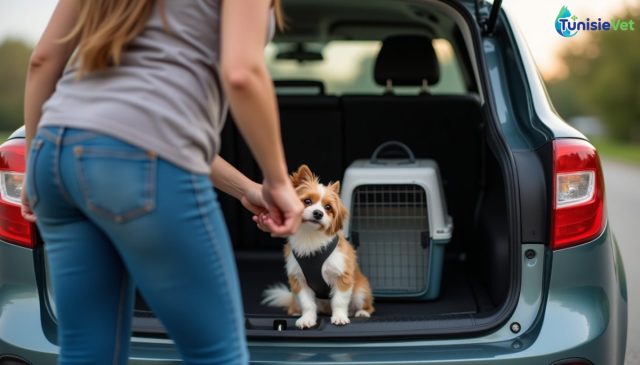
Traveling with a pet requires specific preparation: up-to-date documentation, appropriate transport, and managing your animal's stress. This article addresses the most common questions pet owners ask before a trip, with practical advice applicable to daily life, by car, plane, or train.
1. What documents do you need before traveling with a pet?
Before any travel, it's essential to verify your pet's identification (microchip or tattoo) and gather its up-to-date vaccination record. Some carriers and border crossings require a health certificate issued shortly before departure.
- Health record and vaccination certificate up to date
- Proof of identification (microchip or legible tattoo)
- Veterinary health certificate if the journey requires it
- Recent antiparasitic treatment, especially when traveling between regions
It's advisable to consult a veterinary professional several weeks before departure to anticipate any additional procedures. A directory of veterinarians helps you quickly find a practitioner to prepare these documents.
2. How do you prepare a cat or dog for a car journey?
Gradually accustom your pet to travel
An animal that has never traveled may experience stress or nausea. It's recommended to introduce it to the carrier or appropriate safety harness several days before departure through short, progressive outings.
Secure the setup
- Use a rigid, well-ventilated carrier for a cat
- Secure a dog with an approved harness connected to a seatbelt, or place it in an appropriate carrier
- Avoid feeding your pet right before departure to minimize nausea
- Provide fresh water during stops
For dogs, a properly fitted harness makes stops safer and easier; a wide selection of dog harnesses and leashes is available on the marketplace.
3. Flying with a pet: what precautions should you take?
Each airline has its own rules regarding weight, carrier size, and which breeds are accepted in the cabin or cargo hold. It's essential to check directly with the carrier before booking.
- Choose a carrier that meets air transport standards
- Accustom your pet to staying calm in the carrier before the flight
- Avoid sedating your animal without veterinary advice, as this can increase respiratory risks
- Bring an absorbent mat and a familiar toy for reassurance
A veterinary consultation is recommended before any flight, especially for older animals, sick pets, or those with sensitive airways, such as flat-faced cat and dog breeds.
4. How do you manage your pet's stress during travel?
Stress manifests through panting, repeated meowing or barking, trembling, or refusing to move. Several simple gestures can help limit this anxiety.
| Observed sign | Likely cause | Action to take |
|---|---|---|
| Excessive panting | Heat or anxiety | Ventilate, take a break in the shade |
| Repeated meowing or barking | Stress, unfamiliar environment | Speak calmly, partially cover the carrier |
| Refusal to eat or drink | Travel-related anxiety | Offer small portions regularly |
| Trembling or withdrawal | Intense fear | Limit stimulation, reassure by voice |
Placing a fabric with the scent of home in the carrier can also provide a comforting reference point for your pet.
5. Should you take breaks during a long car journey?
Yes, regular stops allow your pet to hydrate, relieve itself, and relax. The exact frequency depends on the animal, its age, and tolerance for travel, but it's best to observe its behavior rather than follow a strict schedule.
- Offer fresh water at each stop
- Take your dog out on a leash in a secure area to relieve itself
- Check the vehicle's internal temperature, especially in summer
- Never leave a pet alone in a car in direct sunlight
6. What should you do in case of emergency during travel?
Vomiting, diarrhea, unusual lethargy, or breathing difficulties require prompt veterinary attention. Identifying a veterinarian on your route or at your destination in advance saves precious time in case of need.
- Keep your regular veterinarian's contact information easily accessible
- Pack a basic pet first aid kit
- Note a veterinary clinic's address at your destination before departure
In summary
- Prepare identification and health documents before any travel
- Gradually introduce your pet to the carrier or harness
- Check the carrier's specific rules for air travel
- Watch for stress signs and take appropriate breaks during car journeys
- Identify a veterinarian at your destination in case of emergency
Frequently asked questions
Can you travel with a cat without a carrier?
No, a carrier is essential for your cat's safety and that of other passengers. It prevents escapes, accidents, and significantly reduces your pet's stress during the journey.
How often should you offer water to your pet while traveling?
It's advisable to provide fresh water at each stop, especially in hot weather. Your pet will drink according to its needs; there's no need to force it if it refuses.
How can you tell if your pet is too stressed to travel?
Intense trembling, complete refusal to move, or repeated vomiting are signs to take seriously. In this case, it's better to consult a veterinarian before planning another trip.
Traveling with a pet becomes much easier when each step is carefully planned. If you have any doubts about your companion's ability to handle a journey, seeking veterinary advice remains the best guarantee of safety and comfort for both your pet and yourself.
Leave a comment
Be the first to comment on this article.
