
Traveling with Pets: The Complete Guide to Get Started

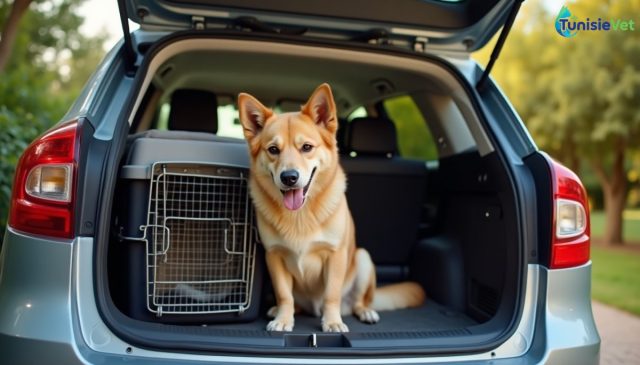
Traveling with a pet requires far more planning than simply packing a suitcase. Whether you're taking a car journey, flying by plane, or heading abroad, every step needs to be thought through carefully to ensure your companion's safety and comfort. This practical guide covers the essential points to know before hitting the road, the most common mistakes made by first-time travelers, and the right habits to adopt so your journey goes smoothly and stress-free for both you and your animal.
Preparing your trip well in advance
The success of traveling with a pet depends largely on how well you prepare beforehand. The earlier you plan your trip, the more time you'll have to sort out all the administrative and health requirements.
- Check the necessary documents: up-to-date health records, identification (microchip or tattoo), and depending on your destination, a pet passport or health certificate.
- Research the vaccination requirements of your destination country, as these can vary significantly from one location to another.
- Get your pet gradually used to its travel carrier or harness a few weeks before departure to avoid last-minute stress.
- Pack a travel kit: fresh water, collapsible food bowl, their usual food, a familiar toy, and any prescribed medications.
Before any trip, it's highly recommended to consult a veterinarian near you for a complete health check and personalized advice based on your pet's age, breed, and health status.
Flying with your pet: special considerations
Air travel comes with strict regulations regarding carrier size, animal weight, and documents required at check-in. Since each airline has its own rules, it's essential to verify them well in advance and book your pet's spot as soon as possible, as slots are often limited.
Common mistakes to avoid
Many first-time pet owners make the same mistakes, which can easily be prevented with a bit of planning ahead.
- Not acclimating your pet to travel beforehand: an animal discovering its carrier on departure day will be more stressed and harder to manage.
- Neglecting proper nutrition: suddenly changing your pet's food during travel can cause digestive upset. Keep their usual food as much as possible.
- Forgetting about hydration: especially during long journeys or in hot weather, your pet needs regular access to fresh water.
- Underestimating the need for breaks: on car trips, regular stops allow your pet to stretch, drink, and relieve themselves.
- Ignoring signs of stress or travel sickness: excessive panting, trembling, vomiting, or restlessness are warning signs you shouldn't overlook.
Best practices during your journey
Once on the road, a few good habits will help minimize stress and keep your pet safe.
- Always secure your pet in the vehicle using an appropriate carrier or certified safety harness.
- Avoid feeding your pet right before departure to reduce the risk of nausea.
- Never leave a pet alone in a vehicle, especially in hot weather.
- Plan breaks every few hours for longer trips.
- Keep a veterinarian's contact information within reach along your route and at your destination, just in case.
Adjusting for different types of pets
Needs vary depending on the species: cats are generally more sensitive to environmental changes and prefer a calm, covered travel space, while dogs often handle travel better if they're gradually accustomed to it. Rodents, birds, and reptiles require specific temperature and ventilation conditions. In all cases, consulting with a veterinarian specializing in dogs or a cat veterinarian before departure helps you tailor your preparations to your pet's species and temperament.
After arrival: the adjustment period
Once you've reached your destination, your pet needs time to adjust. Set them up in a quiet space with familiar items (blanket, toy, food bowl) and allow them time to get their bearings before exposing them to overly stimulating new surroundings. Watch their behavior over the following days: loss of appetite, lethargy, or prolonged anxiety should raise concerns and warrant a veterinary visit.
Traveling with a pet: what to do in case of emergency during your trip?
If your pet shows signs of illness, injury, or unusual behavior during travel, stay calm, stop as soon as safely possible, and contact an animal health professional. Keeping your pet's health records and a veterinarian's contact information on hand makes it easier to get quick, appropriate care wherever you are.
Leave a comment
Be the first to comment on this article.
