
Traveling with Pets: Your Complete Guide to Safe Transport

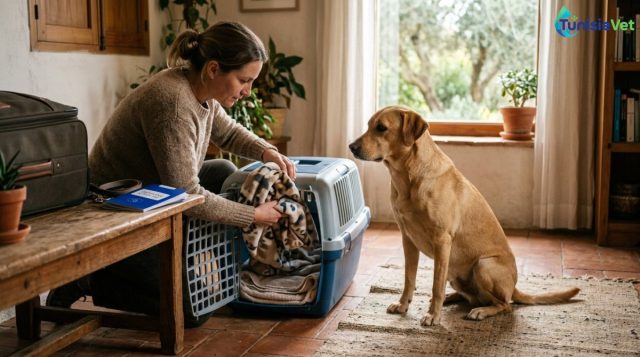
Traveling with a pet requires careful planning: up-to-date documentation, an appropriate transport carrier, and managing journey-related stress. Whether you're traveling by car, bus, or plane, a few simple steps prevent most travel mishaps. This practical guide covers the necessary procedures, essential equipment, and common mistakes to avoid before departing with your dog, cat, or any other animal companion.
1. Prepare Your Pet's Documents Before Departure
Before any trip, especially one crossing borders, your pet's health documents must be current. This is essential to travel smoothly and avoid surprises at checkpoints.
- Up-to-date vaccination records, particularly rabies vaccination if traveling internationally.
- Health certificate issued by a veterinarian, often required shortly before travel.
- Pet identification via microchip or visible tattoo, mandatory for organized transport.
- Health passport or pet health record, containing vaccination history, parasite treatments, and any known medical conditions.
Each transport operator (airline, bus company, ferry line) may have different requirements. Contact your chosen carrier well in advance to avoid boarding refusal on departure day.
2. Choose the Right Pet Carrier
Your pet's comfort and safety during transit largely depend on selecting an appropriate carrier or transport bag.
Essential Criteria
- Proper sizing: your pet should be able to stand, turn around, and lie down comfortably.
- Adequate ventilation: grilles or openings on multiple sides prevent overheating.
- Durability: a rigid structure offers better protection against impacts or rough handling.
- Prior familiarization: letting your pet explore the carrier several days before travel significantly reduces travel anxiety.
For small animals (hamsters, ferrets, guinea pigs), a well-ventilated, secure carrier with absorbent bedding and familiar scent markers (blanket, toy) minimizes travel stress.
3. Adapt Your Travel Plan to Your Transport Method
| Transport Method | Key Considerations | Practical Tip |
|---|---|---|
| Car | Heat, sudden braking, motion sickness | Plan regular stops and never leave your pet unattended in a vehicle in direct sunlight |
| Airplane | Stress, cargo hold temperature, airline regulations | Choose cabin travel if your pet's size permits; otherwise, verify air-conditioned cargo hold conditions |
| Bus or Train | Crowded conditions, noise, sometimes restrictive rules | Confirm animal acceptance policies and size restrictions in advance |
| Ferry | Movement, limited deck access during crossings | Bring absorbent pads or litter for long voyages |
Regardless of transportation method, never travel on a full stomach: a light meal a few hours before departure reduces nausea risk.
4. Plan for Your Pet's Needs During Your Stay
Once you arrive at your destination, your pet needs familiar references to adapt comfortably to the new environment.
- Bring your pet's regular food bowl, bed, or familiar item to provide reassurance during the first days.
- Confirm in advance that your accommodation accepts pets.
- Pack a supply of your pet's usual food: sudden dietary changes can cause digestive issues.
- Locate a nearby veterinary clinic immediately upon arrival for emergencies.
For animals sensitive to climate change, such as long-haired dog breeds, gradual temperature adaptation is recommended, with shorter outings during the first few days.
5. Common Mistakes to Avoid
- Not acclimating your pet to the carrier beforehand: travel stress compounds with fear of an unfamiliar object.
- Failing to check destination country or region regulations regarding identification or vaccination requirements.
- Administering sedatives without veterinary advice: some medications can disrupt temperature regulation, especially during air travel.
- Neglecting hydration during long journeys, particularly in hot weather.
- Delaying health preparations until the last minute, as some procedures require several days to complete.
Before any trip, especially with young, elderly, or chronically ill animals, consult a professional veterinarian. You can find a practitioner near you through the veterinarian directory, who can assess your pet's travel fitness and tailor recommendations to their health status.
Summary
- Update your pet's health documents and identification before traveling.
- Choose a carrier appropriate to your pet's size and acclimate them to it beforehand.
- Tailor your preparation to your transport method (car, airplane, bus, ferry).
- Bring items that recreate your pet's familiar environment at your destination.
- Consult a veterinarian before departure if you have any concerns about your pet's health.
Frequently Asked Questions
Can I travel with my pet without a veterinary certificate?
In most cases, a recent health certificate is required, especially for international trips or air travel. Request one from your veterinarian several days before departure, as some documents have limited validity periods.
How often should I stop during a long car journey with my pet?
Stop regularly to offer water and allow your pet to stretch and relax for a few minutes. Frequency depends on total journey duration and your pet's sensitivity to stress or heat.
How can I calm a stressed pet during travel?
Familiarizing your pet with their carrier before departure and providing a familiar scent object significantly reduces anxiety. Speaking calmly and avoiding abrupt movements during handling also helps soothe your pet.
Traveling with a pet always requires advance planning, balancing administrative procedures, equipment selection, and adaptation to your transport method. When in doubt about your companion's travel readiness, seeking veterinary advice is always the best decision before hitting the road.
Leave a comment
Be the first to comment on this article.
