Veterinary case
A horse with too much insulin: a new treatment tried
⚠️ This information is provided for awareness only and does not replace an examination by a veterinarian.
🤖 Summary produced automatically from the scientific publication cited at the bottom of the page.
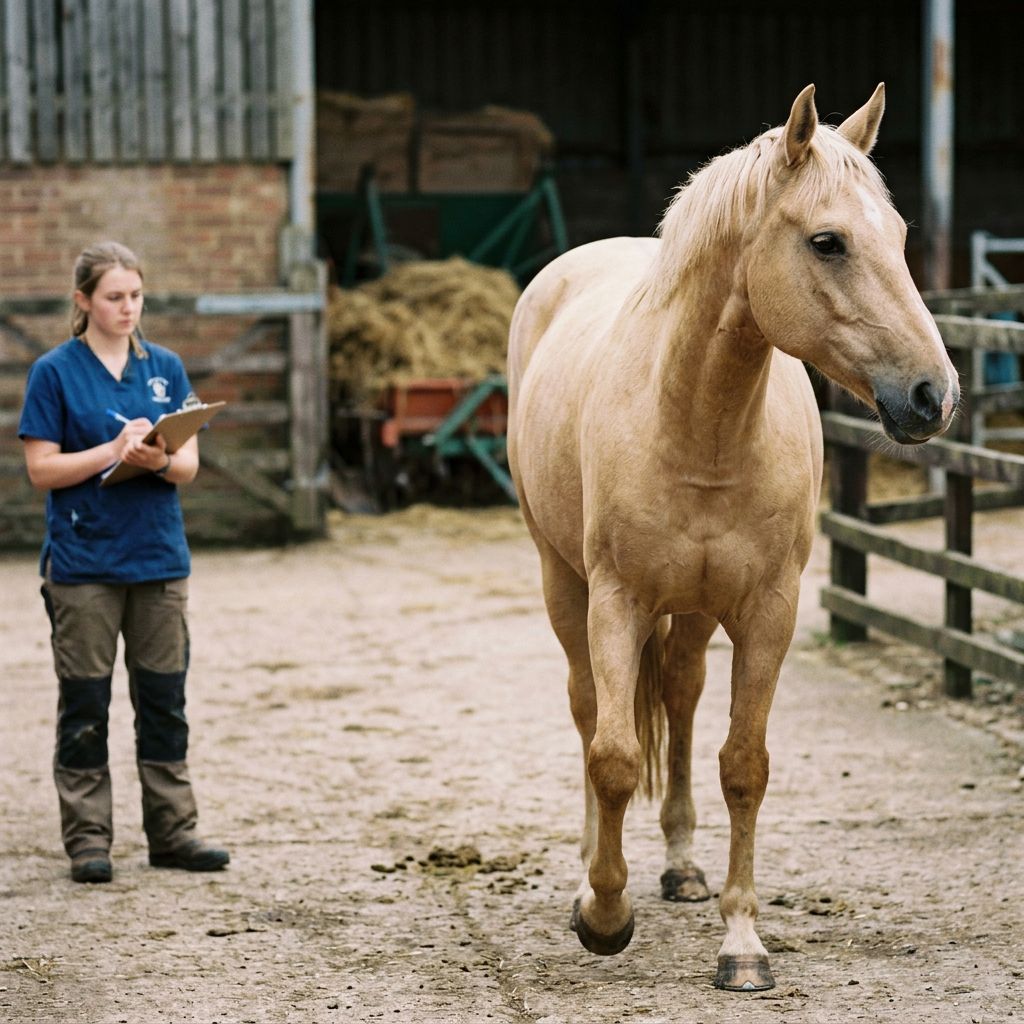
A teaching-herd mare had already suffered severe laminitis — here is how her excess insulin was finally controlled.
What happened?
This mare is part of a veterinary school's teaching herd. She had previously suffered a severe episode of laminitis, a painful foot disease usually linked to excess blood insulin. When treatment began, she was still moderately lame. The vet decided to follow her closely to control her insulin level.
What did the vet find?
Blood tests confirmed the mare had chronically high insulin, explaining her past laminitis. The vet chose to try a drug called canagliflozin, which makes the body remove sugar through urine to lower insulin. Since there is no well-established dosing protocol in horses, the team tested two ways of giving it: once daily, then every other day.
What did the vet do?
ℹ️ Treatment given to THIS animal, decided by its veterinarian. It is not a prescription: never apply it without veterinary advice.
The vet first gave the drug every day, hidden in a small amount of feed so the mare would accept it easily. Regular blood and urine tests showed that the daily dose raised blood triglycerides and built up too much in the body. Treatment was then switched to every other day at the same dose, with weekly blood and urine monitoring continued for several months.
What happened next?
With every-other-day treatment, insulin levels stayed within normal limits, without drug build-up or a rise in triglycerides. The mare remained comfortable and had no new laminitis flare-up throughout follow-up. When treatment was stopped completely, her insulin quickly rose again, showing she still needed the medication.
Advice for the farmer
In a horse that has already had laminitis, it is best to regularly monitor insulin levels to avoid a serious relapse.
Source
- Source
- PubMed Central
- Title
- Canagliflozin treatment of a horse with hyperinsulinemia, including pharmacokinetic analysis of different dosing protocols: a case report.
- Authors
- Burbidge C, White K, Armstrong K, Rosa B.
- Year
- 2026
- DOI
- 10.3389/fvets.2026.1838222
- Licence
- CC BY