
Presentation
The Dingo is a wild canid native to Australia, considered a wild form of the domestic dog introduced several millennia ago. It is characterized by a slender silhouette, a golden tawny coat and behavior close to that of wild canids. An opportunistic predator, it occupies a central place in Australian ecosystems as a regulator of prey populations. Its taxonomy remains debated between subspecies status of the wolf or the domestic dog. It is not present in Tunisia, where it is neither indigenous nor commonly held. A symbol of Australian wildlife, it is the subject of conservation programs in certain reserves.
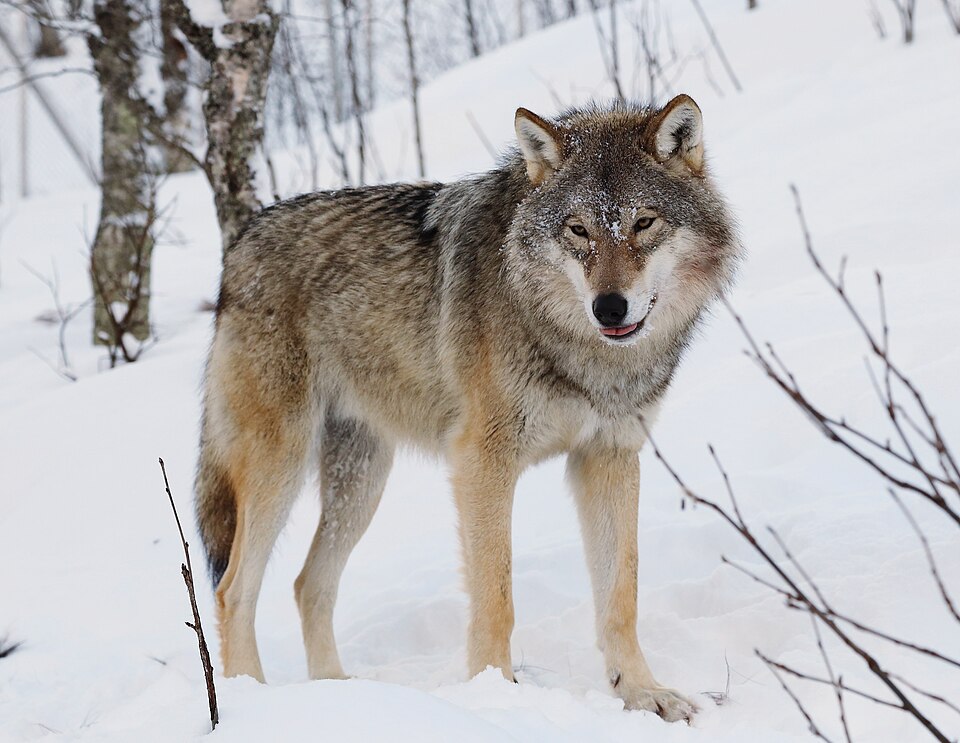
The Dingo has a slender silhouette similar to that of a medium-sized dog, with erect ears and a bushy tail. Its coat varies from golden fawn to sable, often with white markings on its legs and tail. The skull is wider and the canines longer than in most domestic dogs. It retains anatomical and behavioral characteristics intermediate between the wolf and the dog.
Characteristics
Indicative values: they vary by subspecies, sex and region.
Habitat and distribution
Dingo frequents a wide variety of environments in Australia, from arid deserts to grasslands to northern rainforests. It also adapts to agricultural areas and sometimes around human habitations. Its ecological plasticity allows it to survive in very contrasting climatic conditions. It generally avoids densely urbanized areas.
CURRENT RANGE
Dingo is present across the entire Australian continent, with the exception of Tasmania where it has disappeared. It is believed to have been introduced to Australia by human populations from Asia several thousand years ago. Populations also exist in Southeast Asia, considered related. It is not part of the native fauna of Tunisia.
Behaviour
The Dingo is a mainly crepuscular and nocturnal canid, which lives solitary or in small family groups structured around a dominant pair. It communicates by howling rather than repeated barking, which distinguishes it from a domestic dog. Territorial, it marks its home range and can travel long distances in search of food. Its behavior remains close to that of a wild canid despite its ancient domestic origin.
Reproduction
The Dingo female generally has only one litter per year, averaging four to six young. Reproduction is often limited by social hierarchy, with only the dominant female in a group usually breeding. Gestation lasts about two months and the young remain dependent for several months before becoming independent. Sexual maturity is reached around the age of one to two years.
Peculiarities
The Dingo occupies a debated taxonomic position, with some considering it a subspecies of the gray wolf, others a wild form of the domestic dog. It plays an important ecological role in Australia by regulating populations of prey and certain invasive predators. Its ability to hybridize with domestic dogs threatens the genetic purity of remaining wild populations.
Threats and conservation
The main threats to Dingo are hybridization with domestic dogs and culling programs carried out to protect livestock. The destruction and fragmentation of its habitat also reduces its viable populations. In certain regions, it nevertheless benefits from growing recognition of its ecological role.
Numbers and trends vary across sources and regions. See the IUCN assessment for the latest reference data.
Gallery
1 documented photographs.
References
Profile updated 26 August 2026 · Reviewed by the TunisieVet editorial team.
Comments (0)
No comments yet.
CONSERVATION STATUS
Vulnerable (VU)
IUCN source, latest published assessment.
Species health
Documented diseases for this species.
See the 4 diseases of this species Find a veterinarianThis information is provided for educational purposes only and is not a substitute for a veterinary consultation. If you have any concerns about your animal's health, consult a veterinarian.
Related species
To discover around: Dingo
Videos, facts, stories and records linked to this species.
Similar animals
Other species documented in Animalpedia.

TunisieVet in your pocket 📱🐾 Access your veterinary services wherever you are. [ Download the app ]
Learn more