StoryDesertSavannaForestTropical forestSteppeWetlandsFarmland & grasslandsUrban environmentAnimals in the Quran
The Ant Who Warned Her People of Sulayman's Arrival
In the Valley of the Ants, a small voice rises to warn an entire people of imminent danger. This Quranic account from Surah An-Naml reveals wisdom and collective responsibility, even among the most humble of creatures.
3 min read · Published 1 month ago · 66 views
The Prophet Sulayman (Solomon), peace be upon him, had been given an extraordinary gift by God: the ability to understand the language of birds and other creatures. One day, leading an immense army composed of men, jinn, and birds, he was passing through a valley. This valley was no ordinary place—it was inhabited by ants, an organized and vigilant people.
The Ant's Warning
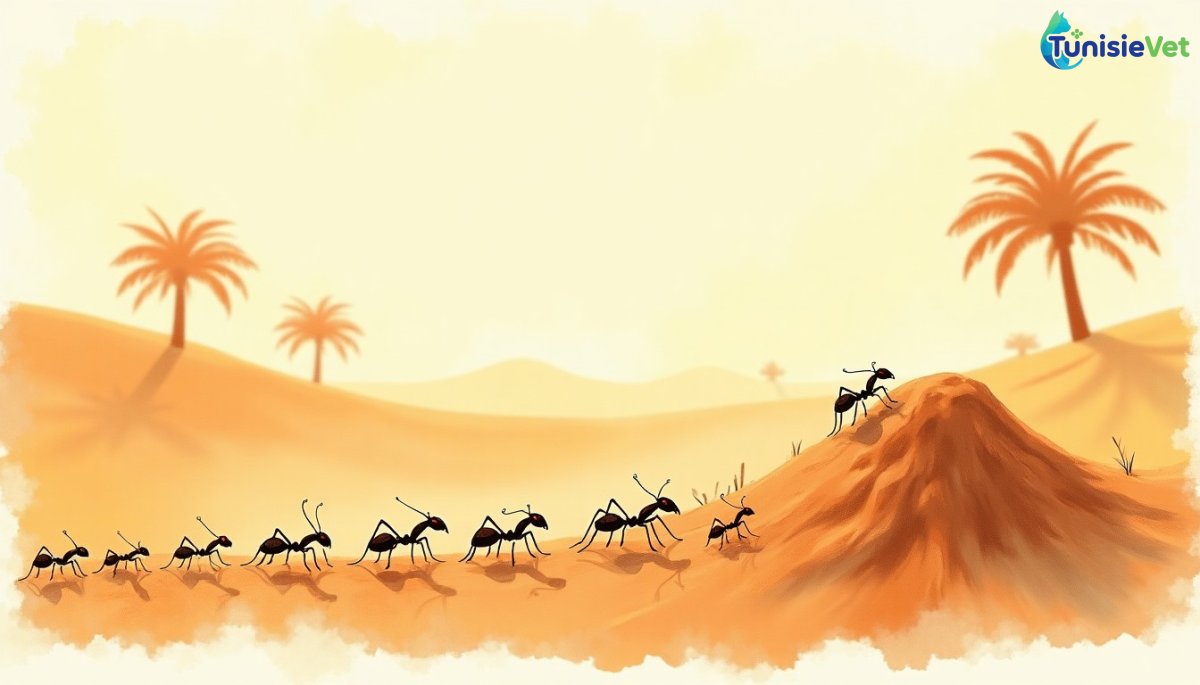
As Sulayman's procession approached, an ant spotted the danger. Fearing that its companions would be crushed without even realizing it, the ant raised its voice to warn the entire colony. The Qur'an reports this scene in Surah An-Naml ("The Ants"), verse 18:
"When they came to the Valley of the Ants, an ant said: 'O ants, enter your dwellings, lest Solomon and his soldiers crush you while you are unaware.'"
(Surah An-Naml, verse 18)
Sulayman's Smile
By virtue of the gift God had granted him, Sulayman heard and understood the ant's words. The next verse tells us of his reaction: he smiled, both amused and moved by these words, and then he called upon God with humility, thanking Him for His blessings and asking Him to help him do good deeds pleasing to Him, as well as to his parents. This moment is reported immediately afterward in the same surah, in verse 19, where Sulayman expresses his gratitude to God for being able to grasp the meaning of these simple yet profound words.
This Quranic passage is rich in teachings. First, it shows that even a creature as small as an ant possesses a form of social organization, vigilance, and responsibility toward its own. This ant did not flee alone—it took care to warn its entire people, illustrating a sense of community and solidarity worthy of respect. Moreover, it recalls that Sulayman, despite the power of his army, showed no anger or contempt toward this small creature; on the contrary, he was moved by its speech and saw in it an opportunity to draw closer to God.
According to some scholars of Quranic exegesis, this account also illustrates the extent of divine mercy, which extends to all creation, and Sulayman's justice—he could, unknowingly, have harmed these creatures had the ant not alerted its people in time.
A Lesson for Today
This account, though brief, holds a special place in the Qur'an, so much so that it gives its name to an entire surah. It teaches us that the life of every creature, no matter how small, has value in God's sight. The ant's vigilance in protecting its people resonates as a silent call to mindfulness and care toward all living things around us.
Even today, this story invites us to regard with compassion the animals that share our surroundings, however quiet they may be. Watching where we step, respecting nests and ant colonies, refraining from unnecessarily destroying the habitats of small creatures—these are simple gestures that echo the wisdom of this verse. Taking care of the humblest living beings is also a way of honoring the spirit of mercy that flows throughout the Qur'an.