StorySteppeFarmland & grasslandsStories of the prophets
The Horses of Sulayman and the Trial Sent Upon Him
One evening, the Prophet Sulayman gazed upon his magnificent horses and became so absorbed that he forgot his prayer. From that moment arose a trial, and a lasting lesson about the place of God's creatures in the hearts of the faithful.
3 min read · Published 3 weeks ago · 41 views
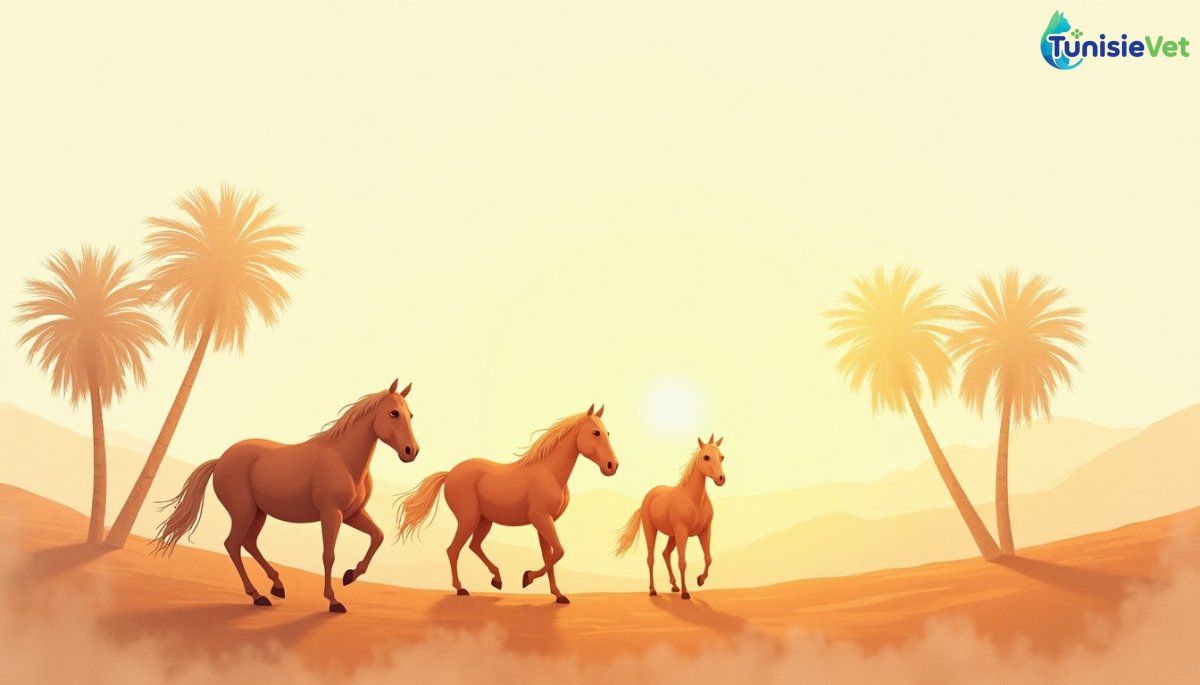
Among the favors bestowed by Allah upon the Prophet Sulayman (Solomon), son of David, were immense riches, including magnificent thoroughbred horses, renowned for their beauty and vigor. The Qur'an mentions this episode in Surah Sad, where the Prophet's contemplation of these mounts is described.
The Contemplation That Delayed the Prayer
According to the interpretation of many Qur'anic scholars of the verse in Surah Sad, Sulayman, absorbed in admiration of his horses that were being presented to him at the end of the day, allowed the time of his ritual prayer to pass. The Qur'an reports:
He said, "Indeed, I have preferred the good [these horses] to the remembrance of my Lord until [the sun] disappeared behind the veil [of the horizon]."
(Surah Sad, verse 32)
This verse is part of a series of verses (Surah Sad, verses 30 to 33) in which the Qur'an relates this episode from the life of Sulayman. According to several commentators, including at-Tabari, the Prophet became aware of the delay in his worship and was grieved by it, acknowledging that his passing attachment to these mounts had distracted him from his foremost duty toward his Lord.
Repentance and the Lesson of the Trial
Faced with this awareness, Sulayman did not seek to excuse himself or minimize his failing. According to certain scholars, he ordered that the horses be brought back to him and, as a sign of sincere repentance and complete reorientation toward Allah, he made an offering of them, some accounts reporting that he stroked their legs and necks before detaching himself from them to refocus on worship.
This episode illustrates an essential truth emphasized by Qur'anic commentators: even the Prophets, chosen and honored by Allah, could be tested in their attachment to the blessings of this world. The horses, magnificent creatures and precious gifts, were not blameworthy in any way; it was the moment of inattention that constituted the trial. Sulayman, in humbly acknowledging his error, showed the path of sincere repentance in the face of any distraction, even one caused by something as noble as a horse.
Publicité
Publicité
This narrative also recalls the special place the horse holds in Islamic tradition. It is reported in an authentic hadith of the Prophet ﷺ, recorded in Sahih al-Bukhari, that "goodness is attached to the forelocks of horses until the Day of Resurrection," emphasizing the blessing and nobility associated with this animal in several prophetic traditions.
A Lesson for Our Relationship with Animals
The story of Sulayman's horses is not a narrative against attachment to animals, but a reminder about the balance to maintain between our duties toward Allah and our legitimate love for His creatures. Sulayman loved his horses; it was not this love that was faulted, but the momentary forgetfulness it caused.
For us today, this story invites us to cultivate a healthy and balanced relationship with the animals around us: to admire them, care for them, respect them as creatures of Allah, without ever letting this affection lead us away from our essential priorities. To care for an animal, to wonder at its beauty and strength, while keeping the heart turned toward what truly matters—this is the quiet yet profound teaching that this page from the life of the Prophet Sulayman leaves with us.