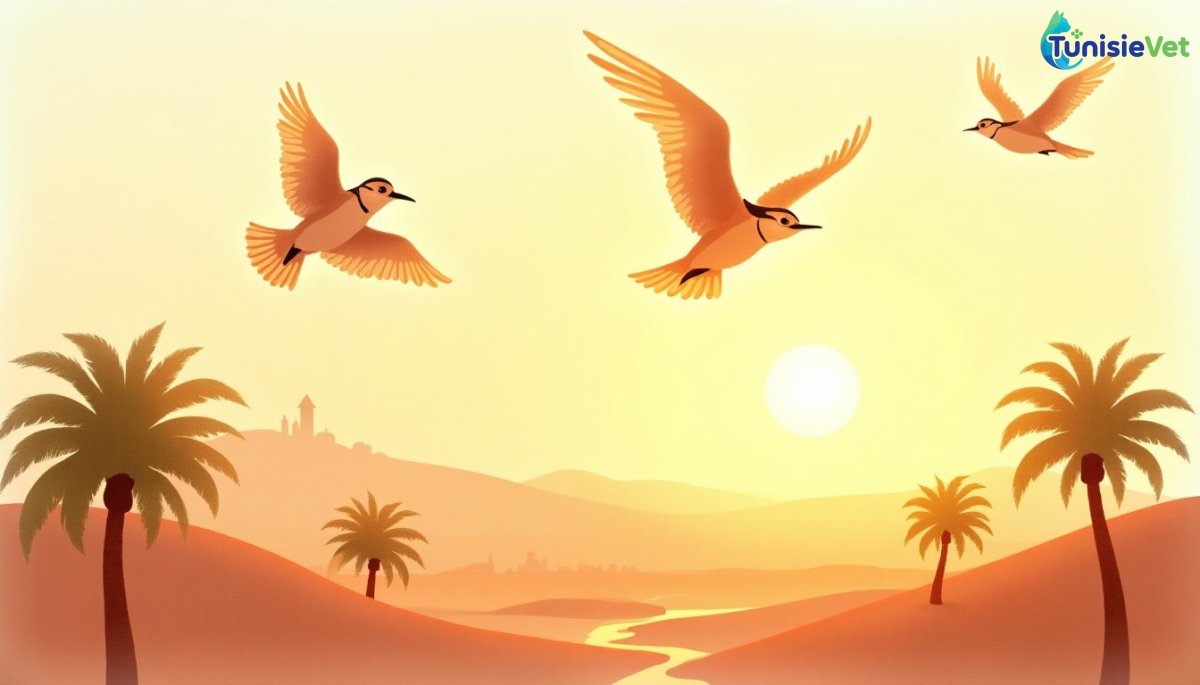
Each morning, before the sun warms the desert, birds leave their nests with empty bellies. The Prophet ﷺ saw in them a living lesson about complete trust in Allah.
3 min read · Published 4 days ago · 21 views
Each morning, before the sun warms the desert, birds leave their nests with empty bellies. They take flight without provisions, without any certainty of finding food, yet they return in the evening with what they need to live. This simple scene, repeated since time immemorial in the Arabian sky, served the Prophet Muhammad ﷺ to illustrate one of the most precious virtues of faith: tawakkul, complete trust in Allah.
The Hadith of the Birds
It is reported in an authentic hadith transmitted by At-Tirmidhi that the Prophet ﷺ said: "If you placed your trust in Allah as is proper, He would feed you as He feeds the birds: they leave in the morning with empty bellies and return in the evening satisfied." This hadith does not say that the bird remains motionless waiting for its food; on the contrary, it takes flight, seeks, explores, and makes an effort. Trust in Allah, as taught here, does not spare us from striving: it accompanies striving. The bird acts according to its nature, using the means Allah has given it, and it is through this sincere effort that its provision is made manifest.
Publicité
Publicité
Birds in the Quran
The Quran mentions birds several times as creatures that bear witness to the greatness of the Creator. In Surah Al-Mulk, mention is made of birds that fly, wings outstretched, never falling except by the will of the One who holds them in the air.
Have they not seen the birds above them, wings spread and folding? Only the Most Merciful sustains them. He is, over all things, All-Seeing.
(Surah Al-Mulk, verse 19)
This verse invites us to observe the flight of birds as a sign: no human force holds them in the sky, only divine will bears them up. In the same way, every creature receives its provision by a decree that transcends its own abilities, even though, like the bird, it must spread its wings to fly.
A Lesson for the Believer's Heart
The exegetes remind us that this image of the bird does not teach passivity, but rather a balance between action and trusting surrender to Allah's decree. The bird does not remain in the nest hoping that food will come to it: it departs, it seeks, it uses the means that God has placed within its nature. Thus the believer is called to work, to strive in daily life, while knowing that the final outcome belongs to Allah alone.
Publicité
Publicité
This lesson also touches on how Islam regards animals: far from being mere mute creatures, they are signs, examples, sometimes even sources of moral teaching for humanity. The Quran further reminds us, in Surah Al-An'am, that animals and birds form communities similar to our own, each living according to the order Allah has appointed for it.
In observing birds, the believer thus finds a measure of humility: they who store nothing for tomorrow, who calculate nothing about their provisions, yet live each day from the generosity of the Creator. This simple and natural trust is a model that human beings, often consumed by worry about tomorrow, would do well to contemplate.
To care for birds, to ensure their nests are not destroyed, to provide them with water and food in times of scarcity, is also to honor the lesson they convey to us. In respecting these creatures that remind us of trust in Allah, we in turn cultivate compassion toward all living beings, a principle that the Islamic tradition has never ceased to emphasize throughout the ages.