StoryDesertSteppeFarmland & grasslandsMercy towards animals
Our Responsibility Toward Animals Used as Mounts
One day, a camel whose sides were worn thin by exhaustion approached the Prophet ﷺ and began to groan. The response of God's Messenger to his companions illuminates, even today, every person's duty toward the animal that carries them.
3 min read · Published 1 week ago · 13 views
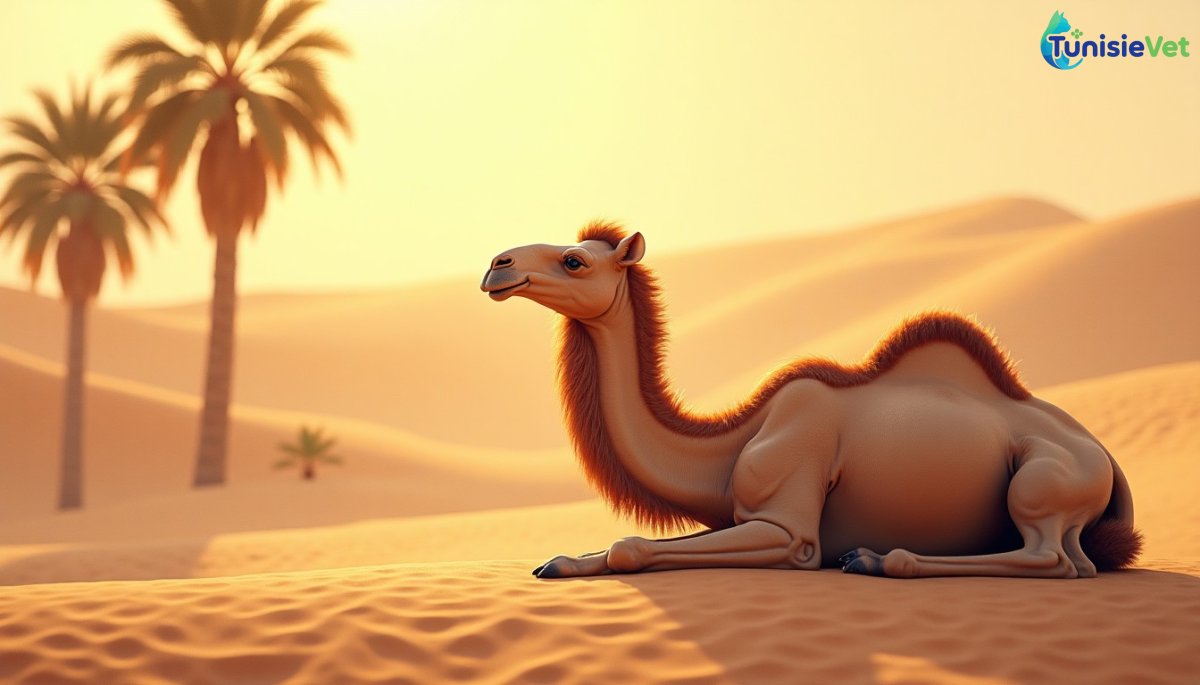
One day, a camel whose sides were worn thin by exhaustion approached the Prophet Muhammad ﷺ and began to groan softly, its eyes glistening. According to the hadith reported by Imam Ahmad and cited in other collections, the Prophet ﷺ placed his hand on the camel's hump and tail, and the animal fell silent at once. He then asked: "To whom does this camel belong?" A man from the Ansar came forward. The Prophet ﷺ said to him: "Do you not fear Allah concerning this animal that He has placed under your authority? It complains to me that you starve it and exhaust it with labor."
A Mount Is Not a Mere Tool
This prophetic word overturns an idea common in the Prophet's time, as it is today: the draft or riding animal would be merely an instrument at man's service, without care or limits. Yet the Prophet ﷺ reminds us that the possession of an animal is not an absolute right, but a trust (amāna) before God. A camel, a horse, a donkey, or any beast that is laden and ridden has needs that its owner is obligated to respect: sufficient food, rest, and reasonable burden.
Publicité
Publicité
This principle echoes through several teachings of the Prophet ﷺ concerning mounts. It is reported in Sahih Muslim that he forbade using animals' backs as "seats" for idle chatter—that is, lingering unnecessarily on their backs when they already bear the strain of travel. He also recommended not overloading beasts of burden beyond their strength, and allowing them halts to drink and graze during long journeys.
Mercy as a Measure of Faith
In Islamic tradition, the manner in which a believer treats an animal used for travel or transporting goods is never a minor detail. A well-known hadith, reported in Sahih al-Bukhari and Sahih Muslim, tells of a woman condemned to the Fire for allowing a cat she had shut away to die of hunger. Conversely, a man was forgiven for giving water to a thirsty dog. These accounts, though not directly about mounts, show the consistency of one principle: every creature in one's care deserves care and compassion, whether it serves as a companion, a worker, or a means of transport.
The story of the complaining camel thus illustrates a truth both simple and demanding: the animal does not speak our language, but its fatigue, thirst, and suffering are forms of speech that the believer is called upon to understand. The Prophet ﷺ, on this occasion, did not merely rebuke the negligent owner; he restored dignity to the beast itself, by heeding what it had to "say."
A Legacy for Today
This lesson remains fully relevant: whether for a draft horse, a pack donkey, or any animal still used to carry loads or people, the principle endures. Here are some guidelines that the prophetic tradition invites us to remember:
Never impose a burden beyond the animal's actual capacity.
Ensure regular food and water before thinking of one's own rest.
Avoid prolonging effort beyond what is necessary, out of regard for the animal's fatigue.
Thus, Islam teaches that the possession of an animal, far from being unlimited power, entails true moral responsibility before God. To care for the animal that serves us, to watch over its comfort and dignity, is to perpetuate the mercy that the Prophet ﷺ himself showed toward the exhausted camel. An act of gentleness toward a beast of burden is never trivial: it is, in the span of a life, a concrete way of living one's faith.