StoryDesertSteppeFarmland & grasslandsMercy towards animals
Why must camels be allowed to graze during travel?
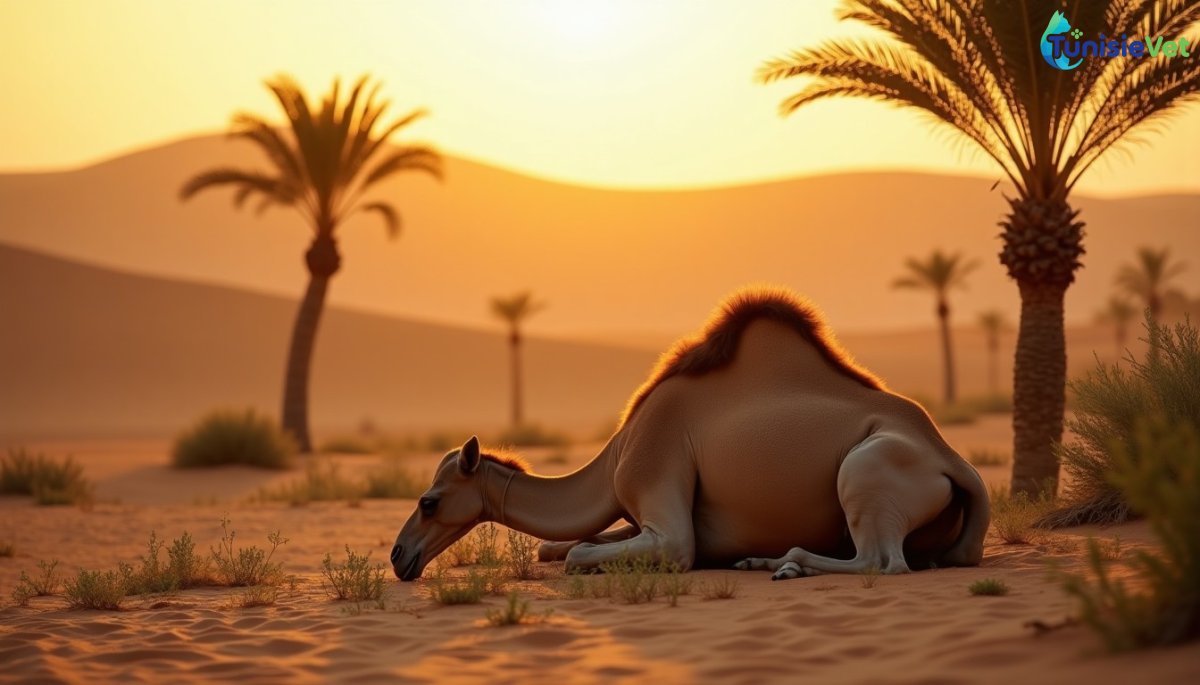
A traveler rode a camel without letting it stop to graze. A teaching from the Prophet ﷺ then recalled a simple yet essential rule about the respect owed to beasts of burden.
3 min read · Published 1 week ago · 14 views
A man came before the Prophet ﷺ one day after a long journey. He had ridden his camel without rest, eager to arrive, paying no mind to letting it graze or rest along the way. What tradition reports on this matter became a precious teaching for all believers about how to treat the animals one uses.
A hadith on the rest of mounts
It is reported in Sahih Muslim that the Prophet ﷺ said, regarding those who travel with mounts: "When one of you travels through fertile lands, give your mount its share of the land. And when you travel through barren lands, hasten to cross it." This teaching sets down a clear rule: the mount is not merely a transport tool, it has needs that must be respected during the journey.
Publicité
Publicité
The Prophet ﷺ taught that the camel, donkey or horse used for a journey has the right to stops, food and rest. A companion could not simply demand effort from his animal without giving it what is rightfully due. This requirement was not merely a matter of practical farming sense: it was part of a broader vision where every creature, even when put to the service of man, retains dignity and rights.
The camel, a special creature in prophetic tradition
It is also reported, in an authentic hadith recorded by Imam Ahmad and cited in several collections, that the Prophet ﷺ once saw a camel weakened and exhausted from labor. He was moved by this sight and reminded his companions to fear Allah regarding these mute beasts, by feeding them properly and not overloading them beyond their strength. This scene shows how deeply care for working animals was woven into the Prophet's teaching, far beyond ritual obligations alone.
One thus understands why the question of traveling by camel was not trivial in seventh-century Arabia. The camel was the indispensable companion for long desert crossings, carrying supplies, goods and the travelers themselves. To deny it food or drive it without rest was to endanger its health, even its life, and consequently that of the traveler who depended entirely on it to return home safely.
A lesson that goes beyond the desert
This teaching reminds us that mercy toward animals is not limited to occasional acts of kindness, but is rooted in constant attention to their basic needs, especially when significant effort is demanded of them. Whether a camel crossing the desert, a draft horse or any other animal in service to man, the principle remains: whoever uses the strength of a creature must see to its sustenance and well-being.
Today, this lesson remains fully relevant. Whether working animals, beasts of burden or companions, attending to their food, rest and comfort is not simply an optional gesture of kindness: it is a responsibility that prophetic tradition places at the heart of the relationship between man and the creatures he puts to work. Caring for an animal in the details of its daily life is to honor a teaching passed down through centuries and which continues to invite all toward gentleness and vigilance toward every life entrusted to us.