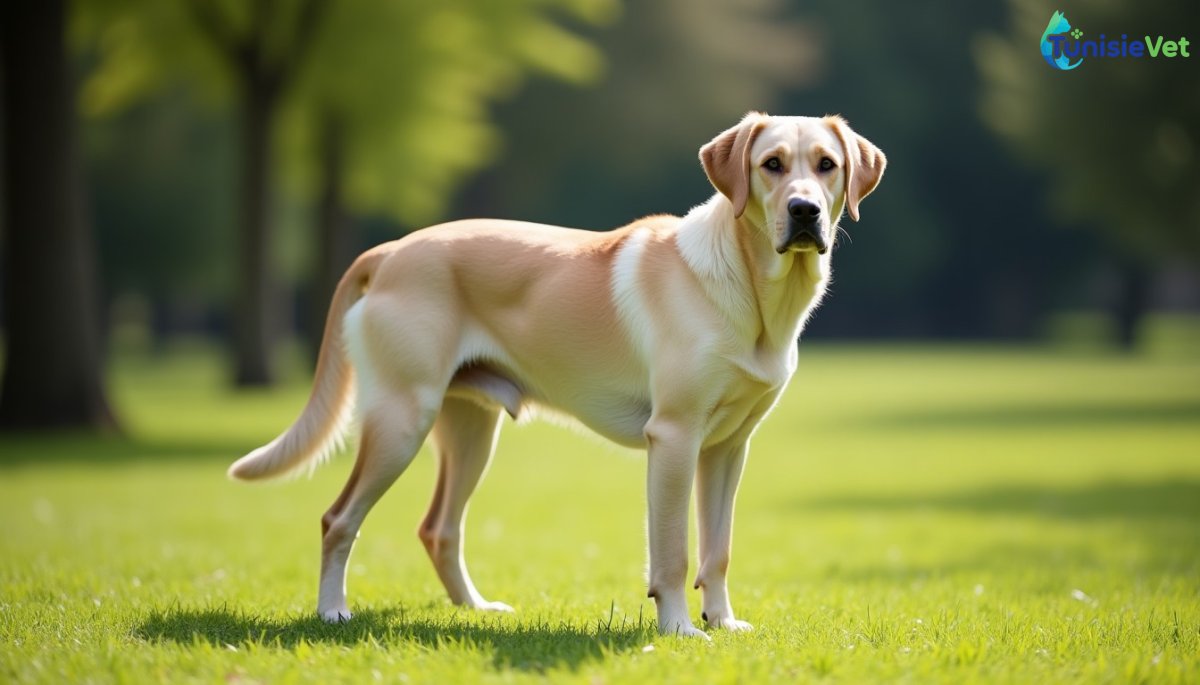
This behavior is a direct inheritance from wild canids: turning around before lying down allows you to flatten vegetation or snow, check the surroundings by sweeping your gaze over 360° and orient the body in an optimal position to warm up or sleep in safety.
A ritual engraved in instinct
In wolves and other wild canids, the resting environment is never perfectly flat or safe. By turning several times before lying down, the animal packs tall grass, leaves or snow to create a more comfortable and insulating layer. This circular movement also makes it possible to spot possible threats or prey nearby, an essential vigilance reflex for an animal that sleeps on the ground in nature.
The direction of rotation also plays a role: orienting the body in a specific direction before lying down helps regulate body temperature, by exposing or protecting certain parts of the body depending on the wind or cold. Behavioral studies in domestic dogs, as in other canines, show that this motor pattern remains present even in animals living exclusively indoors, proof of its deep instinctive anchoring and not of simple learning linked to the current environment.
Publicité
Publicité
This behavior is observed from a very young age in puppies, without it needing to be learned from an adult, which confirms its genetic rather than cultural origin. It persists even on a carpet, a sofa or a soft basket where no vegetation needs to be flattened.
When this ritual becomes a warning signal
A dog who turns for a prolonged period, seems unable to find a comfortable position or whines before lying down may suffer from joint pain, particularly osteoarthritis in elderly people; it is then recommended to consult a veterinarian to assess the mobility and comfort of the animal.