
How to Give Your Pet a Tablet Without Stress

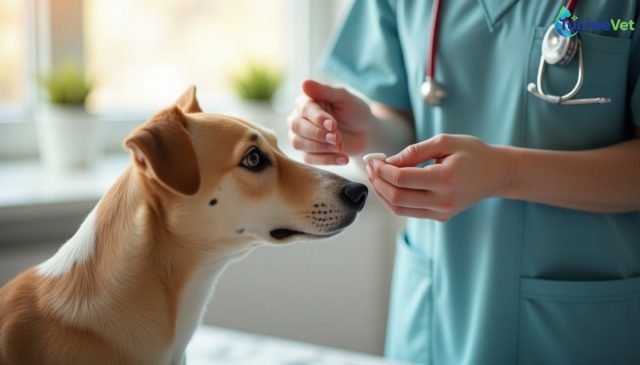
Giving a tablet to your dog, a syrup to your cat, or a capsule to your rabbit often turns into a power struggle. Yet a solid technique and a few precise gestures are enough to transform this dreaded moment into a calm routine. This guide details, animal by animal, how to successfully administer oral medication without stress or bites, and which mistakes to avoid absolutely.
1. Prepare the ground before giving the medication
The success of an oral administration to your pet is decided even before approaching the tablet near its mouth. A relaxed animal always cooperates better than a surprised or cornered one.
- Choose a calm moment, away from noisy meal times or family chaos.
- Set yourself up in a confined space (small room, basket) to prevent the animal from escaping.
- Prepare all materials in advance: tablet, treats, syringe or pipette, towel if needed.
- Stay calm yourself: animals immediately perceive tension in your voice and movements.
For a particularly anxious pet, a short habituation session the day before, without medication, can greatly facilitate things later.
2. Giving a tablet or capsule to your dog
The direct method
To give a tablet to your dog, the classic technique remains effective on the majority of pets:
- Place one hand over the muzzle, thumb and fingers on either side.
- Tilt the head slightly upward to open the jaw.
- Deposit the tablet as far back as possible on the base of the tongue with your other hand.
- Close the mouth and hold it shut for a few seconds while stroking the throat downward.
- Wait for the swallowing reflex, often accompanied by a quick lick to the muzzle.
The hidden method
Hiding the tablet in a small ball of food, a piece of cheese, or a soft treat works with most food-loving dogs. Give a bite without medication first to build trust, then the booby-trapped bite, followed by a third neutral bite.
3. Giving medication to your cat: the delicate technique
Administering medication to a cat requires more gentleness, as the resistance reflex is more pronounced in this species.
- Wrap the cat's body in a towel, leaving only the head free, to limit paw strikes.
- Settle on the floor or on a stable surface, with the cat wedged between your legs or against you.
- Gently tilt the head backward to encourage the mouth to open.
- Place the tablet at the back of the mouth, then close the jaw and gently massage the throat.
- Immediately offer a little water or a liquid treat to facilitate swallowing.
Tablets hidden in highly palatable food or in a specially designed treat dispenser significantly reduce stress levels for both the animal and you.
4. Administering a capsule or tablet to your rabbit and guinea pig
With a capsule for a rabbit or guinea pig, caution is essential: these animals are fragile and should never be held by the skin of their neck or flipped roughly.
- Wrap the animal gently in a towel to immobilize it, with its legs well supported.
- Position it against your chest, in a vertical or slightly tilted position.
- Gently open the lips at the diastema level (the toothless gap on the side of the jaw).
- Introduce the crushed tablet in a little suitable fruit purée, or use a syringe if the medication is liquid.
- Let the animal chew at its own pace, without forcing the mouth to open completely.
In rabbits and guinea pigs, a whole tablet is often poorly tolerated: always ask your veterinarian if there is a liquid form or the possibility of crushing it.
5. Giving a syrup or liquid with a syringe
Liquid medication for domestic pets is almost always administered with a needleless syringe, supplied by the pharmacy or clinic.
- Draw the exact dose indicated by your veterinarian, without rounding.
- Gently insert the tip on the side of the mouth, between the cheek and teeth.
- Push the liquid slowly, in small amounts, to allow time for swallowing.
- Keep the head tilted slightly downward to prevent aspiration.
- Pause if the animal coughs or seems uncomfortable, then resume more slowly.
A syrup administered too quickly often ends up on the coat or, worse, in the respiratory tract: patience is the key.
6. Special case: administering medication to ruminants
Giving medication to ruminants (goat, sheep, cow) requires firm but non-violent restraint, ideally with the help of a second person.
- Block the animal in a tight space or against a wall to limit its movements.
- Grasp the head from underneath the jaw, never by the horns which can cause injury.
- Use a bolus gun or drenching gun for large tablets, to avoid any risk of bites or hand injury.
- For liquid products, an appropriately sized syringe allows precise and gradual dosing.
- Release the animal calmly once swallowing is confirmed, to avoid associating care with a brutal experience.
7. Mistakes that cause pet medication stress
| Common mistake | Consequence | Best practice |
|---|---|---|
| Forcefully opening the mouth | Bites, scratches, lasting distrust | Slow gestures, calm voice, regular pauses |
| Crushing an enteric-coated tablet | Loss of medication effectiveness | Seek advice before any alteration |
| Administering to a completely free animal | Escape, tablet spat out | Gentle restraint with towel or confined space |
| Failing to verify swallowing | Tablet found later on the floor | Observe throat movement and muzzle lick |
8. Securing each administration
Regardless of the animal, certain reflexes limit risks and strengthen trust:
- Always reward after care, even if unsuccessful, to maintain a positive association.
- Never exceed the prescribed dose, even if the animal spits out part of the medication: contact your professional to know if you need to try again.
- Wash your hands before and after, especially with medications requiring sensitive handling.
- Note the times of administration if treatment is lengthy, to avoid forgetting or doubling up.
If you experience repeated difficulty, total refusal to eat, or unusual symptoms after administration, it is best to consult a professional quickly. The veterinarians listed in the directory can suggest more suitable medication forms or demonstrate the technique in person.
Summary
- Set yourself up in a calm and confined space before any oral administration to your pet.
- Favor the method adapted to the species: direct for dogs, wrapped for cats, gentle and progressive for rabbits and guinea pigs.
- Use a needleless syringe for any liquid medication for domestic pets, pushing the liquid slowly.
- For ruminant medication administration, prioritize a bolus gun and two-person restraint.
- Consistently reward your animal to limit pet medication stress in the long term.
Frequently asked questions
Can you crush a tablet and mix it with food?
It depends on the medication: some tablets have a protective coating that loses its effectiveness once crushed. It is best to ask your veterinarian before making any changes, especially for rabbits and guinea pigs.
What should I do if my pet repeatedly spits out the tablet?
Try the hidden method in an appetizing treat or special tablet dispenser, and check the head position during administration. If refusal persists, a professional can offer a liquid form or another route of administration.
How often should you practice handling to get a pet used to mouth manipulation?
A few short and positive sessions per week, outside treatment periods, are enough to create a good habit. This familiarity greatly facilitates administration when medication becomes necessary.
Mastering the technique for administering a tablet to your dog, cat, rabbit, or guinea pig limits stress for your animal and ensures safe administration each time. If you have any doubts about dosage or medication form, your veterinarian's advice remains the best guarantee of successful care.
Leave a comment
Be the first to comment on this article.
