
How to Give Medicine to Your Pet: Common Mistakes and Best Practices

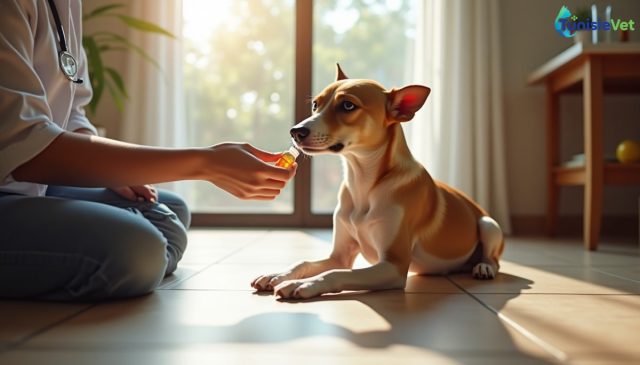
Giving medicine to your pet may seem straightforward, yet improper technique or inadequate storage can render a treatment ineffective or even dangerous. In hot climates, heat accelerates product degradation and intensifies stress on the animal during care. This guide outlines the most common mistakes and best practices for administering tablets, injections, ointments, and syrups safely.
1. The Most Common Mistakes When Administering Medicine to Animals
Most therapeutic failures stem from poorly executed techniques rather than inappropriate treatment choices.
- Underdosing out of fear of causing harm: cutting a tablet roughly or giving only part of the syrup as a precaution.
- Stopping treatment prematurely as soon as symptoms disappear, without completing the prescribed duration.
- Mixing with food without verification, which can cause the animal to refuse the meal and thus reject the entire dose.
- Incorrect injection site placement (wrong location, needle too deep or too shallow) in dogs, cats, or livestock.
- Storage in the wrong location: bottle left in a car, on a windowsill, or near a heat source.
- Using a human medication without professional advice, as certain compounds are toxic to animals.
2. Tablet, Syrup, Ointment, or Injection: The Right Technique for Each Form
Administering a tablet to your pet
A pet tablet is ideally given hidden in a small, appetizing food ball, or placed directly at the back of the throat by gently tilting the dog's or cat's head upward. Then gently massage the throat and verify that the animal swallows properly, as some pets discreetly spit out the pill a few minutes later.
Giving a syrup or liquid suspension
Use the supplied syringe, never an approximate spoon. Insert the tip at the side of the mouth, between the teeth and cheek, and inject the liquid slowly to give the animal time to swallow without choking.
Applying an ointment or eye drop
Hands must be clean, and the tube must never touch the skin, eye, or wound to prevent contamination. After applying to the skin, it is helpful to occupy the animal for a few minutes to prevent it from licking immediately.
Performing an injection on a dog, cat, or livestock
Injections in dogs, cats, or cattle, sheep, and goats must follow the route specified on the package insert (subcutaneous, intramuscular). A syringe that is not properly purged, a reused needle, or a soiled injection site increases the risk of abscesses and treatment failure. When in doubt about the technique, a veterinarian or trained assistant should perform the procedure, especially for repeated livestock treatments across multiple animals.
3. Storage of Veterinary Medicines: The Heat Challenge in Hot Climates
Storing veterinary medicines in hot climates is one of the most overlooked aspects by pet owners and farmers in warm regions. A product exposed to high temperatures loses effectiveness before its expiration date, without any visible signs.
- Strictly follow the storage instructions on the package (controlled room temperature or refrigeration).
- Never leave a medicine in a car, sunny yard, or near a window.
- Keep products requiring refrigeration in a cool box when traveling to a distant farm or clinic.
- Seal bottles carefully to minimize evaporation and oxidation of active ingredients.
- Check the product's appearance before each use: color change, unusual odor, or altered texture indicate degradation.
| Medicine Form | Heat Sensitivity | Storage Advice in Hot Climates |
|---|---|---|
| Tablets | Moderate | Closed box, away from direct light |
| Syrups and suspensions | High | Refrigerator if indicated, never frozen |
| Vaccines and biological injectables | Very high | Continuous cold chain, cool box for transport |
| Ointments and eye drops | Moderate to high | Cool, dry location, tube tightly sealed |
4. Minimizing Stress During Treatment: Managing Anxiety During Care in Summer
Stress during treatment often compounds thermal stress during periods of intense heat, which can worsen the animal's overall condition. An animal handled roughly in high heat struggles more, breathes faster, and may develop heat stroke in addition to its original condition.
- Administer treatment early in the morning or evening, when temperatures are lower.
- Treat the animal in a shaded, calm, well-ventilated area, never in direct sunlight.
- Provide fresh water nearby, especially after stressful handling.
- Use gentle but firm restraint, appropriate to the animal's size and temperament.
- Take a break if the animal panics, rather than forcing the procedure.
5. Following the Prescription Correctly to Ensure Treatment Success
A livestock or individual animal treatment that is not properly followed is one of the primary causes of therapeutic failure and relapse. It is essential to adhere to the schedule, complete duration, and route of administration indicated by the veterinarian.
- Note administration times in a notebook or set phone reminders to avoid missed doses.
- Never double a dose after a missed one, but resume the normal schedule at the next scheduled time.
- Weigh the animal regularly, as dosage depends directly on weight.
- Isolate the treated animal from the rest of the herd or other domestic animals if the product recommends it.
- Contact a professional if adverse effects occur: vomiting, significant lethargy, or skin reactions.
For any uncertainty about dosage, injection technique, or what to do in case of adverse effects, it is better to consult a professional quickly via the veterinary directory rather than improvise a treatment adjustment.
Summary
- Strictly follow the dosage and complete treatment duration, even if symptoms disappear quickly.
- Adapt the technique to the medicine form: tablet, syrup, ointment, or injection.
- Consistently protect medicines from heat, especially vaccines and injectable products.
- Administer treatment in a calm, cool location to minimize animal stress during care.
- Seek professional advice in case of doubt rather than improvising a dosage.
Frequently Asked Questions
Can you crush a pet tablet and mix it with food?
This is possible for many tablets, but not all, as some coatings protect the active ingredient in the stomach. It is best to confirm with the professional who prescribed the treatment before crushing a tablet.
How do you know if a medicine has been damaged by heat?
A color change, unusual odor, grainy or separated texture are warning signs. When in doubt, it is safer not to use the product and replace it.
What should you do if your pet keeps spitting out its tablet?
Try hiding it in a highly palatable food or use the technique of direct administration at the back of the throat with throat massage. If the problem persists, a professional may suggest an alternative pharmaceutical form, such as a syrup or paste.
Administering medicine to your pet correctly requires rigor, patience, and good understanding of hot climate constraints. When in doubt about a dosage, technique, or storage method, consulting a professional remains the best approach to protect your animal's health.
Leave a comment
Be the first to comment on this article.
