
How to Give Medication to Dogs and Cats: A Step-by-Step Guide

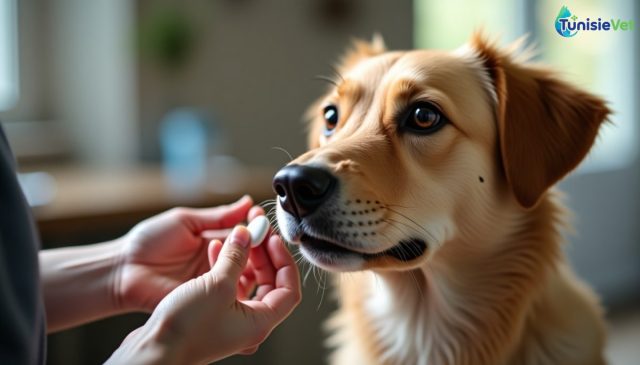
Knowing how to give medication to a dog or cat without stress—for both pet and owner—is an essential skill for any household with a four-legged companion. Whether it's a tablet to swallow, an ointment to apply to the eye, or an injection prescribed by your vet, each action requires precise technique and plenty of calm. Poor handling can reduce treatment effectiveness, injure the animal, or discourage the owner from continuing care. This practical guide outlines the right steps based on the method of administration, helping to improve treatment compliance and ensure optimal results.
Giving Your Pet a Tablet Without a Battle
The pet tablet remains the most common form of treatment, but also the one that causes the most daily challenges.
The Direct Method
- Place the animal in a quiet spot, ideally with a second person to hold it gently in place.
- Open the mouth slightly by holding the upper jaw, then place the tablet as far back as possible on the base of the tongue.
- Close the mouth and gently massage the throat or blow lightly on the nose to trigger the swallowing reflex.
- Verify the animal has swallowed before releasing it, as some cats are experts at secretly spitting out tablets.
The Indirect Method
- Hide the tablet in a small ball of tasty food or a treat specifically designed for this purpose.
- Crush the tablet (if approved by your vet) and mix it with a small amount of wet food.
- Always verify that the full dose has been consumed, especially with multiple animals eating together.
A common mistake is automatically crushing all tablets: some are coated to protect the stomach or release the active ingredient gradually, and breaking them down can reduce their effectiveness or cause irritation.
Administering an Intramuscular Injection Safely
An intramuscular injection for pets is a technical procedure that, in most cases, must be performed or taught by a veterinarian before being repeated at home.
- Always respect the injection site recommended by your animal health professional (often the outer thigh or shoulder, depending on the species).
- Use a syringe and needle appropriate to the animal's size and the viscosity of the product.
- Disinfect the area if necessary and insert the needle with a firm, quick motion, without hesitation, to minimize pain.
- Inject the product slowly, then withdraw the needle with a clean motion and gently massage the area.
- Immediately dispose of the used needle in a proper container, never with household waste.
Never improvise an injection site or dose without veterinary approval: a poorly performed injection can cause an abscess, nerve damage, or treatment failure.
Applying Ointment to Your Pet's Eyes
Eye ointment for pets requires gentleness and precision, as the ocular area is particularly sensitive.
- Gently hold the animal's head, tilting it slightly upward.
- Carefully pull down the lower eyelid to create a small pocket.
- Place a thin band of ointment in this pocket without letting the tube tip touch the eye or lashes.
- Release the eyelid and allow the animal to blink naturally to distribute the product.
- Avoid rinsing the eye immediately after application, as this would negate the treatment's effect.
Respecting Dosage and Avoiding Common Mistakes
The dosage of veterinary medication must always be strictly followed, as each species and body size reacts differently to active ingredients.
- Never reuse medication prescribed for another animal, even of the same species.
- Never adjust the dose yourself "by feel" based on estimated weight—weigh the animal if possible.
- Strictly respect the intervals between doses to maintain an effective concentration of medication in the body.
- Complete the entire prescribed treatment, even if symptoms disappear before the end, especially with antibiotics.
- Store medications according to instructions (temperature, light) and check expiration dates.
These simple veterinary procedures for pets, applied with precision, encourage better treatment compliance and prevent unnecessary relapses or complications.
Why Consult a Veterinarian Before Any Home Treatment?
No medication, even over-the-counter products, should be given without a prior diagnosis. Only a professional can confirm the nature of the problem, adjust the dosage for the specific animal, and teach the correct technique for injectable or complex treatments. If you have doubts about administration technique or notice an unusual reaction after a dose, it's essential to quickly consult a veterinarian near you for appropriate guidance. For dog and cat owners looking for specialists by species, it's also possible to consult dedicated directories, such as those for vets for dogs or vets for cats.
What if My Pet Keeps Spitting Out Its Tablet?
If your animal repeatedly rejects its medication, ask your vet about alternatives in liquid, paste, or medicated treat form. Never insist with excessive force, as this would create a lasting negative association with taking medication.
Leave a comment
Be the first to comment on this article.
