
How to Choose a Veterinarian: Your Complete Guide

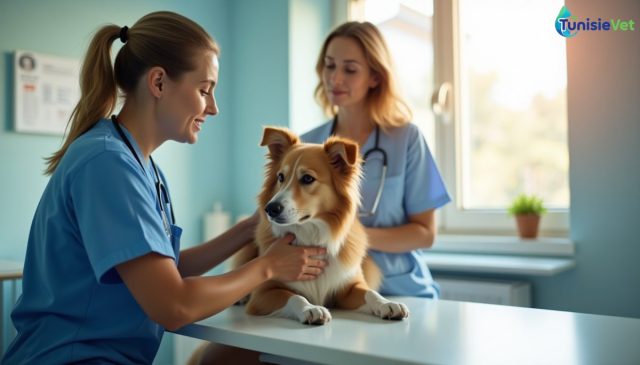
Choosing a veterinarian is one of the most important decisions you'll make for your pet's health. Whether you own a cat, a dog, or you're a beginner farmer with livestock, the relationship you build with this animal health professional will last many years. This practical guide walks you through the process step by step to help you make the right choice with confidence, avoid common pitfalls, and develop good habits from the start.
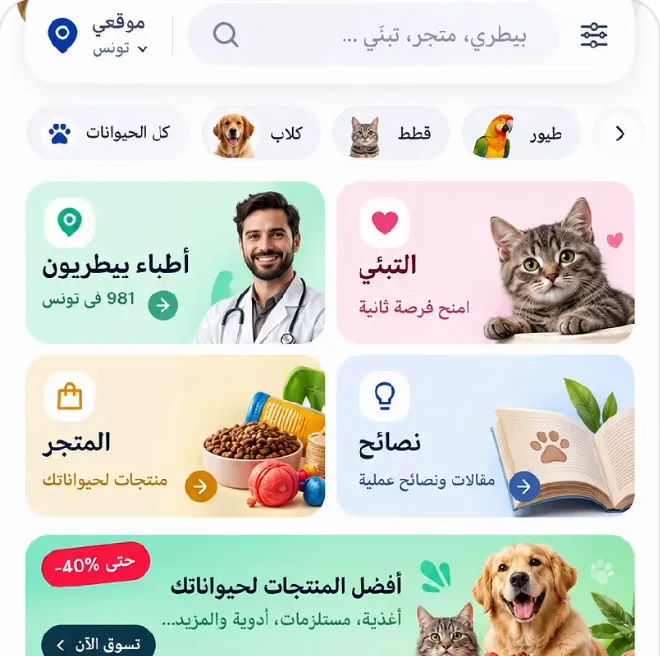
The TunisieVet app to care for your pet
Vets, adoption and products

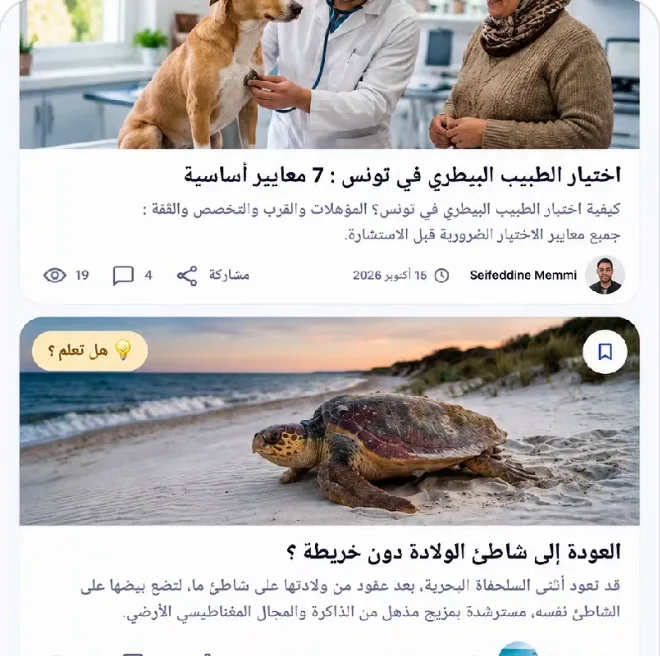
Why Choosing the Right Veterinarian Matters
A good veterinarian is far more than someone who treats emergencies. They're a trusted partner who supports your animal throughout its life: vaccinations, growth monitoring, nutritional advice, early disease detection, and end-of-life pain management. A stable relationship built on trust enables consistent medical follow-up, as the practitioner becomes familiar with your pet's history, temperament, and any sensitivities.
Conversely, constantly switching clinics or choosing randomly during emergencies can complicate diagnosis, delay appropriate care, and create unnecessary stress for both your animal and yourself.
Essential Criteria for Choosing a Veterinarian
Proximity and Accessibility
- A clinic close to your home makes regular visits and emergency care more convenient.
- Check opening hours and emergency availability, including weekends.
- Ask about on-call services or networks of partner veterinarians available during closures.
Specialization Based on Your Animal
Not all veterinarians work with the same types of animals daily. A practitioner experienced with dogs and cats may not have the same expertise as a rural veterinarian accustomed to cattle, horses, or poultry. If you raise livestock, seek a professional experienced with that particular type of animal; if you have an unusual pet (rodent, bird, reptile), ensure the clinic regularly treats those specific species.
Communication and Education Skills
A good veterinarian takes time to explain diagnoses, answers questions clearly without excessive jargon, and offers multiple treatment options when available. Quality communication is often as important as pure technical skill: it enables you to understand what's at stake and actively participate in decisions about your animal's health.
Common Mistakes to Avoid
- Waiting for an emergency to find a veterinarian: it's better to identify a trusted clinic before a crisis occurs.
- Choosing based solely on price: the lowest rate doesn't always guarantee the best care; compare value and support instead.
- Not asking questions during your first visit: this is the ideal time to assess the practitioner's approach and clinic cleanliness.
- Ignoring reviews and recommendations: word-of-mouth from other pet owners or farmers remains an invaluable information source.
- Changing veterinarians too frequently: continuity of care is a real asset for your animal's long-term health.
Best Practices for Your First Consultation
- Gather available documents: vaccination records, medical history, current treatments.
- Observe the reception: clinic cleanliness, atmosphere, and how staff handle animals.
- Ask about preventive care recommendations based on your animal's age and species.
- Inquire about appointment scheduling and after-hours emergency procedures.
- Note whether the veterinarian takes time to clearly explain recommendations before implementing them.
These simple practices will help you quickly assess whether the fit is right and if the clinic meets your expectations and those of your animal.
Veterinary Advice: Building a Lasting Professional Relationship
Once you've found the right practitioner, a few habits will help maintain a trusting relationship over time:
- Follow the preventive care schedule (vaccinations, deworming, annual health checks).
- Report any changes in behavior, appetite, or activity promptly.
- Don't hesitate to seek a second opinion for important medical decisions—it's part of responsible pet ownership.
- Keep organized records of your animal's health documents to streamline each consultation.
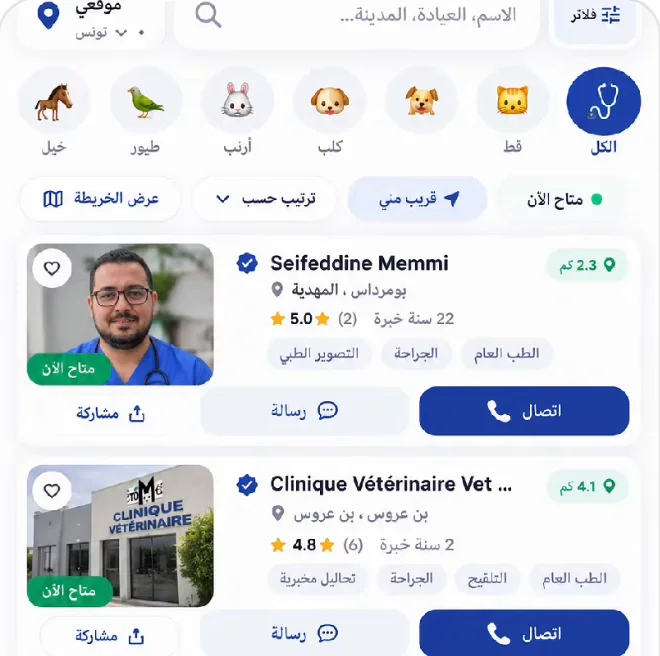
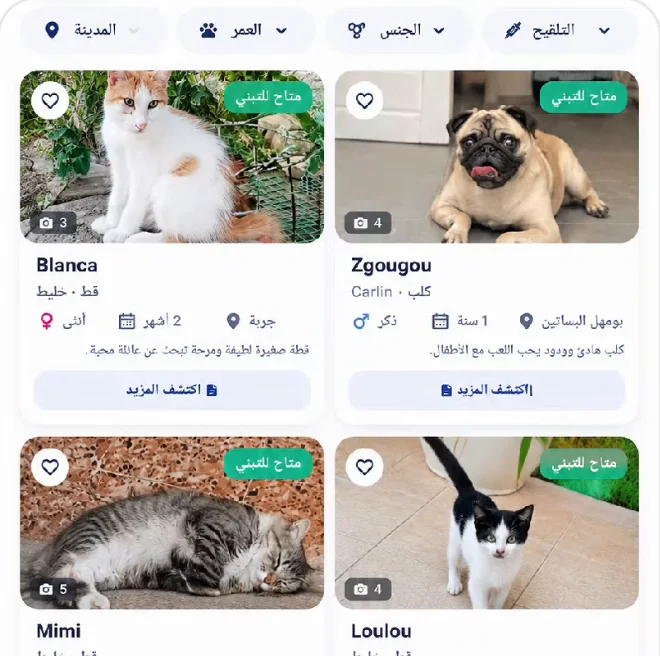
To find a professional suited to your situation, you can consult the veterinarian directory, which lists practitioners by location and specialty. If you're planning to welcome a new pet, the adoption page can also help you prepare this step alongside a professional.
How Long Does It Take to Find the Right Veterinarian?
There's no universal timeline: some find the right clinic on the first visit, while others need to compare several practitioners before feeling confident. The key is not to rush and to prioritize quality communication, clear explanations, and the sense of trust you and your animal feel.
Leave a comment
Be the first to comment on this article.
