
How to Choose a Veterinarian in Tunisia: 7 Essential Criteria

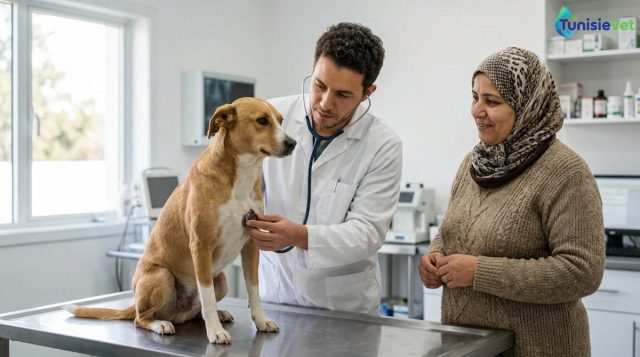
How to choose a veterinarian in Tunisia without making mistakes? The answer lies in a few straightforward criteria: verifiable qualifications, proximity to your home, specialization suited to your animal, and a lasting relationship of trust. Whether you have a cat in the city or a herd in the countryside, this guide details the veterinary selection criteria you should verify before entrusting your animal's health to a professional.
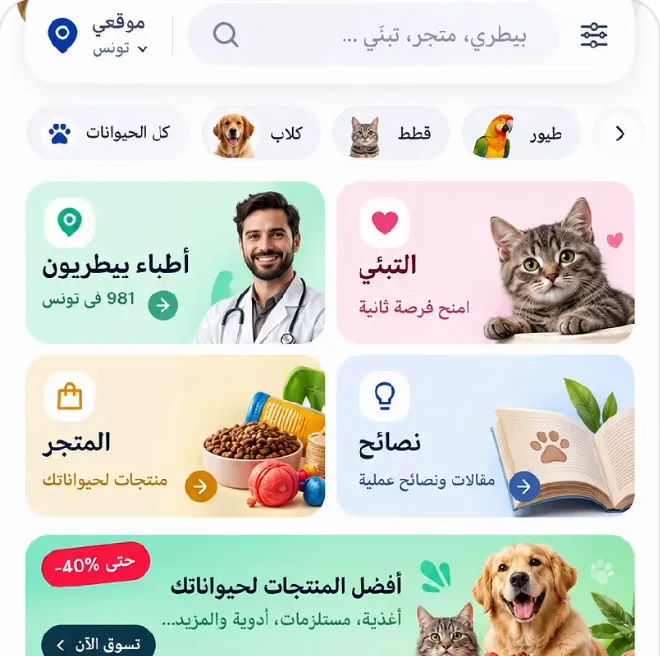
The TunisieVet app to care for your pet
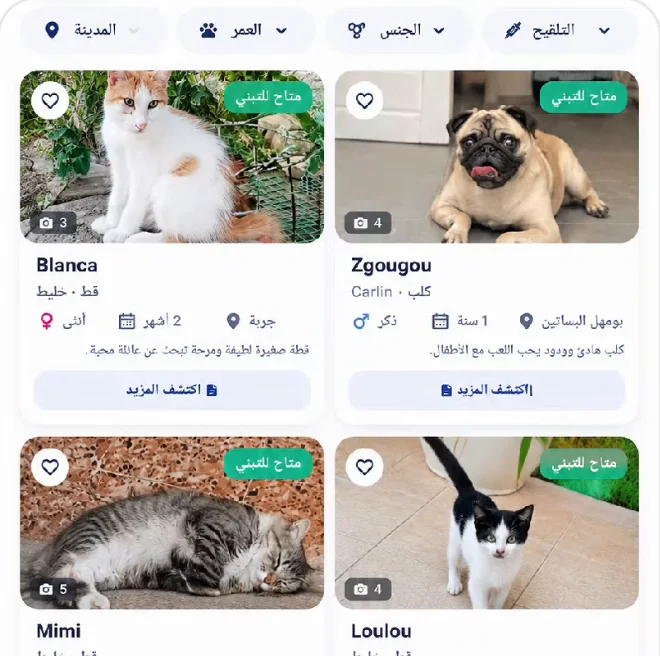
Vets, adoption and products

1. Verify Qualifications and Professional Registration
Before any consultation, ensure that the practitioner holds a recognized veterinary medicine degree and practices legally. A reputable veterinarian displays their diplomas in their clinic and is always willing to answer questions about their training. Don't hesitate to ask about their background: initial training, any internships, or additional specializations.
Signs of a professional clinic
- A clean, organized premises with a dedicated examination room and visible equipment (examination table, scale, vaccine refrigerator).
- Proper care documentation: health records or vaccination booklet kept up-to-date for each animal.
- Transparency regarding fees quoted before the procedure, with no surprise charges on the bill.
2. Find a Good Veterinarian Close to Home
Geographic proximity is just as important as competence, especially in emergencies. Finding a good veterinarian within minutes of your home avoids stressful trips for a sick or injured animal. In urban areas, several clinics are often accessible; in rural areas, choices are more limited and the practitioner's availability becomes a decisive factor.
- Check the opening hours and ease of booking appointments.
- Verify whether the clinic offers home visits, useful for animals stressed by travel or for farm operations.
- Consider distance in case of nighttime or weekend emergencies.
3. Choose a Specialization Suited to Your Animal
Not all veterinarians treat the same species with equal expertise. A veterinarian specializing in companion animals is skilled in caring for dogs and cats, handling spaying/neutering, dentistry, or chronic diseases of aging. Conversely, a rural veterinarian specializing in livestock travels to the field to care for cattle, sheep, goats, or poultry, with an approach focused on herd health and farm productivity.
When to see a generalist, when to seek a specialist
- For a healthy companion animal: a generalist is sufficient for vaccinations, deworming, and annual check-ups.
- For a chronic disease, complex surgery, or difficult behavior: ask for a referral to a colleague more experienced in that specific area.
- For a farm operation: prioritize a practitioner accustomed to field visits and collective health protocols.
| Animal Profile | Recommended Veterinarian Type | What They Offer |
|---|---|---|
| Dog, cat, rabbit, exotic pets | Canine/feline generalist veterinarian | Regular care, vaccinations, routine surgery |
| Cattle, sheep, goat herd | Rural veterinarian | Farm visits, reproduction, disease prevention |
| Camel, donkey, horse | Equine or mixed rural veterinarian | Care specific to large herbivores |
| Poultry (chicken, turkey, duck) | Avian or rural veterinarian | Backyard or farm flock health management |
4. Build a Lasting Relationship of Trust
The veterinary relationship is built over time, not in a single visit. A good practitioner takes time to explain a diagnosis, answers questions without rushing, and remains available if you have doubts after a consultation. Be wary of a veterinarian who performs numerous procedures without clear explanation or refuses to detail a prescription.
- Observe how they handle the animal: calmly, gently, and respectfully of the animal's stress.
- Assess their teaching ability: can they explain in accessible terms without downplaying the severity of a situation?
- Check whether they provide follow-up after surgery or long-term treatment.
5. Anticipate Emergencies Before They Happen
A criterion often overlooked: the ability to manage a veterinary emergency in Tunisia, day or night. Find out in advance about your regular veterinarian's availability outside regular hours, and identify a backup emergency clinic or colleague nearby. Waiting for a crisis to find an emergency number wastes precious time.
- Save your veterinarian's number and that of an alternative emergency clinic in advance.
- Ask whether the clinic has rapid access in case of life-threatening emergencies (severe bleeding, breathing difficulties, poisoning).
- For livestock owners, establish a clear protocol in case of difficult births or suspected disease outbreaks in the herd.
6. Common Mistakes When Making First Contact
The first appointment often sets the tone for the relationship. Certain mistakes recur frequently and complicate further care.
- Choosing based solely on price: a very low fee may indicate lack of equipment or follow-up, while a high price doesn't always guarantee better competence.
- Not preparing the animal's medical history: vaccination records, current treatments, and known allergies should be presented at the first visit.
- Changing veterinarians too frequently: continuity of care makes it easier to spot abnormal changes in an animal's health.
- Ignoring the animal's reaction: if an animal is particularly stressed or aggressive with a specific practitioner, this should be considered, though not generalized.
- Not asking any questions: an initial consultation is also an opportunity to test the professional's ability to explain and their availability.
7. Adapt Your Choice Based on Animal Type
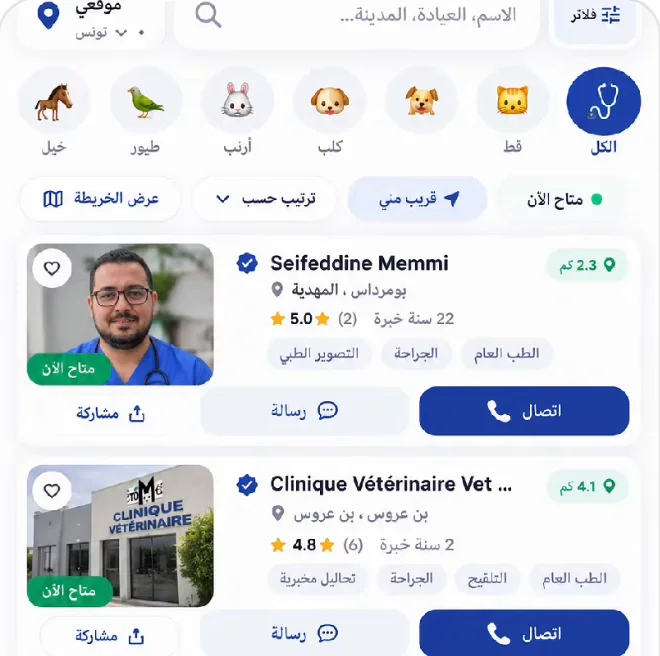
Needs differ greatly between an urban companion animal and a rural farm animal. For a cat or dog, proximity, gentle handling, and availability for regular consultations take priority. For a cattle, sheep, or goat farmer, the ability to travel to the farm, knowledge of herd diseases, and reproductive management become essential. In all cases, consulting Tunisia's veterinarian directory allows you to compare available profiles near you according to the species in question.
Summary
- Verify qualifications and fee transparency before committing.
- Prioritize proximity, especially for emergencies or animals stressed by travel.
- Choose a practitioner specialized for your animal: companion, livestock, or large herbivores.
- Build a relationship of trust based on attentiveness and long-term follow-up.
- Identify an emergency contact before you actually need one.
Frequently Asked Questions
How can I tell if a veterinarian is qualified in Tunisia?
Ask to see their diploma and inquire about their training background. A well-equipped, clean, and organized clinic is also a good indicator of professional seriousness.
Do I need a different veterinarian for a farm and a companion animal?
Ideally, yes: a rural veterinarian is more familiar with herd diseases and field visits, while a canine or feline generalist is better suited to the individual care of a companion animal.
What should I do in case of a veterinary emergency at night or on weekends?
Identify an emergency clinic or on-call veterinarian available outside regular hours in advance. Keep this number saved to avoid wasting time in a critical situation.
Choosing the right veterinarian in Tunisia requires some preparation, but this approach protects your animal's health in the long term. Take time to compare, ask questions, and build a relationship of trust with a competent and available professional.
Leave a comment
Be the first to comment on this article.
