
Finding the Right Veterinarian: Your Complete Guide

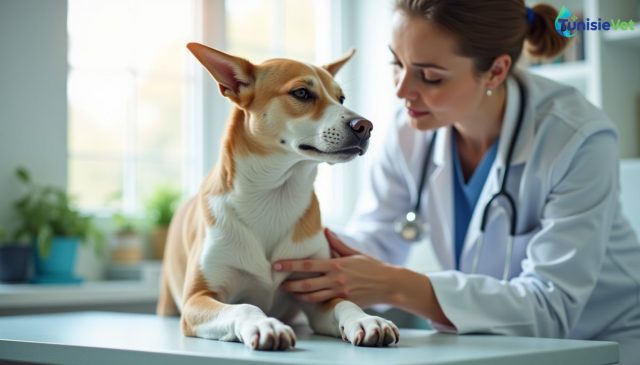
Choosing a veterinarian is one of the most important decisions for your animal's health. Between professional qualifications, location, pricing, and personal connection, it's not always straightforward to know where to start. This practical guide gives you the essential criteria, common mistakes to avoid, and smart strategies to find the professional who will support your pet's wellbeing for years to come.
1. Why Choosing the Right Veterinarian Early Matters
A good veterinarian does far more than treat illness. They become a long-term partner in prevention, vaccination, neutering or spaying, and managing your animal's aging process. Switching between practitioners frequently means losing medical history and complicates diagnosis. Taking time to choose the right vet when you first adopt or acquire an animal prevents serious complications down the road.
This decision is equally critical for livestock farmers, whose animals depend on regular health monitoring to stay productive and healthy.
2. Key Criteria for Evaluating a Veterinarian
Location and Availability
A clinic close to your home or farm makes routine visits easier and becomes invaluable in emergencies. Check operating hours, how quickly you can book appointments, and whether they offer emergency services or can refer you to an after-hours facility outside regular business hours.
Specialties and Experience
Not all veterinarians have equal experience with the same species. Some focus on traditional companion animals, while others specialize in exotic pets (rodents, birds, reptiles) or farm animals. Ask what species the clinic regularly treats and which they consider their primary focus.
Communication and Teaching Ability
A good veterinarian takes time to explain diagnoses, treatment options, and costs in plain language, avoiding unnecessary jargon. Their listening skills—both with you and your animal—are a reliable indicator of the trust and partnership ahead.
Clinic Equipment
A well-equipped facility (X-ray, ultrasound, in-house lab, surgical suite) enables faster diagnosis and prevents unnecessary trips to specialist centers when problems arise.
3. Common Mistakes to Avoid
- Choosing based only on the lowest price without considering the quality of care offered.
- Never asking about the veterinarian's experience with your specific species.
- Waiting for an emergency before finding a vet, without establishing a prior relationship.
- Changing practitioners at every visit, which breaks medical continuity.
- Ignoring feedback from other pet owners or farmers in your area.
4. Step-by-Step Process
- Create a list of veterinary clinics near your home or farm.
- Check what species they treat and what services they offer (vaccination, surgery, emergency care).
- Call the clinic for an initial conversation or schedule a routine visit.
- Observe how the veterinarian interacts with your animal during the first appointment.
- Ask for price estimates for common procedures before committing long-term.
- Confirm your choice if you feel comfortable, trust their professionalism, and find them reassuring.
To simplify your search, a veterinary directory lets you easily compare available clinics by location and animal species.
5. Adapting Your Choice by Animal Type
Different animals have different needs. Whether you own a companion animal or livestock shapes your priorities. The table below summarizes what matters most for each animal type.
| Animal Type | Primary Priority | Recommended Follow-Up Frequency |
|---|---|---|
| Dog or Cat | Vaccination, parasite prevention, growth monitoring | At least one annual visit |
| Rabbit or Rodent | Veterinarian experienced with exotic pets | Annual visit or as needed |
| Horse | Lameness evaluation, vaccination, equine dentistry | Regular monitoring based on activity level |
| Farm Animals (cattle, sheep, goat, chicken) | Herd health monitoring, disease prevention | Planned visits aligned with breeding cycles |
For dogs or cats, dedicated pages make finding the right vet easier: browse veterinarians for dogs or veterinarians for cats depending on your companion.
6. When to Seek Emergency Care Rather Than Routine Appointments
Certain symptoms call for immediate attention rather than a scheduled appointment: difficulty breathing, repeated vomiting, loss of consciousness, deep wounds, or significant bleeding. In these cases, contact your established veterinarian directly or the nearest emergency facility without delay.
This is precisely why having already chosen a veterinarian before an emergency strikes is so valuable—you won't be scrambling to find someone when every minute counts.
In Summary
- Choose your veterinarian before adoption to be prepared for emergencies.
- Compare location, specialties, equipment, and communication skills.
- Don't base your decision solely on price.
- Tailor your search to match your animal's specific needs.
- Establish contact before an emergency forces you to.
Frequently Asked Questions
How can I tell if a veterinarian is competent?
Pay attention to how clearly they explain diagnoses and whether they listen carefully to you and observe your animal closely. Ask about their experience treating your specific species and what equipment they have available in their clinic.
Should I switch vets if I don't feel comfortable?
Yes. Trust and communication are essential for relaxed, confident care. It's better to find a different practitioner than to stay with someone who doesn't inspire confidence in you.
How often should I take my pet to the veterinarian outside of emergencies?
An annual check-up is generally recommended for a healthy companion animal to ensure vaccinations are current and conduct a general health assessment. Livestock animals typically require more frequent monitoring depending on their production cycle.
Taking time to select a veterinarian who fits your animal's needs, your budget, and your location is the best investment you can make in long-term health. Don't hesitate to consult several practitioners before making your final decision.
Leave a comment
Be the first to comment on this article.

TunisieVet in your pocket 📱🐾 Access your veterinary services wherever you are. [ Download the app ]
Learn more