
Preventive Veterinary Check-Up: How to Prepare the Health Assessment

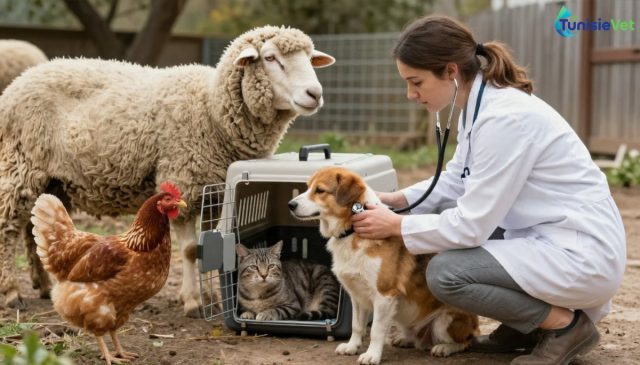
A preventive veterinary check-up lets you take stock of an animal's health, even when it seems to be doing well. The veterinarian examines its general condition, looks for subtle changes and adapts preventive measures to its needs. For a dog, a cat or farm animals, this visit also helps prepare the decisions ahead. Here is what it can include, when to schedule it and how to get the most out of it.
The TunisieVet app to care for your pet
Vets, adoption and products

Why schedule a preventive veterinary check-up?
An animal can gradually change its habits without the change being easy to notice in daily life. An animal health assessment is an opportunity to compare its current condition with previous observations and to discuss any signs noticed at home or on the farm.
The visit is not limited to vaccines. It also covers diet, weight, mobility, skin, behaviour and living conditions. If the observations warrant it, the veterinarian may suggest further tests, although these are not automatically needed at every appointment.
For a flock of sheep, goats or poultry, the approach concerns both individual animals and the group. It helps review housing conditions, access to water and feed, and any difficulties the farmer has observed.
A preventive assessment does not replace a consultation for a sick animal. Breathing difficulty, an inability to urinate, an animal unable to stand or rapid worsening calls for contacting a veterinarian immediately. Do not wait for the scheduled appointment.
What does the animal health assessment include?
Clinical examination and weight
The veterinarian observes the animal, its behaviour and how it moves, then carries out a clinical examination suited to the species. This may include listening to the heart and breathing, and examining the eyes, ears, skin and coat or plumage.
Weighing, when possible, allows weight changes to be tracked. It is accompanied by an assessment of body condition: the veterinarian checks whether the animal appears too thin, in good condition or overweight. A change may lead to a review of the diet or a search for a medical cause.
Mouth, teeth and parasites
Examining the mouth, when the animal allows it, can reveal tartar, gum inflammation or visible dental abnormalities. Report bad breath, difficulty chewing or a change in eating habits. A more thorough examination or treatment may be suggested depending on the findings.
The veterinarian also reviews external and internal parasites. They take into account the species, lifestyle, observed signs and treatments already given. A faecal examination may be useful in certain situations; it is not systematic for every animal.
Vaccines and additional care
The health record helps check the vaccines received and decide on the next steps. The schedule depends on the species, age, environment and applicable recommendations. Do not assume that all vaccines are needed at the same interval.
Depending on the context, the veterinarian may propose an analysis or another examination. Ask what they are looking to check, how the examination proceeds and whether any particular preparation is needed. This way, you can decide together on the next steps.
How often should visits be scheduled, depending on the animal?
The annual veterinary check-up for dogs and cats is a practical benchmark for an adult that appears to be in good health. This rhythm should be adjusted: the veterinarian may advise closer appointments when age, an illness or a treatment requires it.
- Puppy or kitten: plan several contacts during growth, notably to set up the vaccination schedule and discuss diet. The veterinarian will specify the timetable according to the animal and its history.
- Adult dog or cat: arrange an annual assessment, even in the absence of complaints. Between visits, book an appointment if you notice a lasting or worrying change.
- Elderly animal or animal monitored for an illness: ask whether more frequent checks would be useful. They allow the treatment, comfort and weight trend to be reassessed.
- Sheep and goats: plan with the veterinarian a herd follow-up suited to the key periods of the farming year, the problems encountered and the needs of individual animals. A sick animal must be examined without waiting for the scheduled visit.
- Poultry: agree on a follow-up suited to the size of the flock, its living conditions and the observed signs. A drop in consumption, birds found dead or unusual deaths require prompt advice.
Frequency therefore does not depend on the species alone. A change of living environment, the arrival of new animals or a recurring difficulty within the group may also prompt a review of the preventive programme.
How to prepare for the consultation and which questions to ask?
Gathering useful information
Before the visit, note any changes in appetite, thirst, weight, stools, urine, activity or behaviour. Specify since when they have been present and whether they seem to be worsening. A short video can help show an unusual movement that does not appear in the clinic.
Bring the health record and a list of medicines, antiparasitic treatments and foods given. Note their names and the date of the last administration if you know them. Do not change a prescribed treatment before discussing it with the veterinarian.
For a herd or a group of poultry, prepare a record of the animals concerned, the signs observed and any recent changes in housing or feed. Ask in advance whether an animal needs to be isolated or whether a sample must be prepared. Do not collect a sample without first checking the storage requirements.
Planning the practical aspects
For a cat, use a suitable and stable carrier. For a dog, plan a secure way to restrain it. If the animal is anxious or difficult to handle, let the team know before the appointment: they can tell you how to prepare its visit.
For a farm visit, indicate the species present and make access to the animals and their living areas easy. Discuss hygiene and restraint measures before the intervention. Do not give any medicine to calm an animal without a veterinary prescription.
Questions to note
- Are its weight and body condition satisfactory? Should its ration be adjusted?
- Which dental care can I carry out at home, and which require professional intervention?
- Which parasites should I watch for in its living conditions? Is an examination or treatment indicated?
- Which vaccines are recommended for it, and when should I check its record again?
- Which signs should prompt an urgent call, and when should the next assessment be planned?
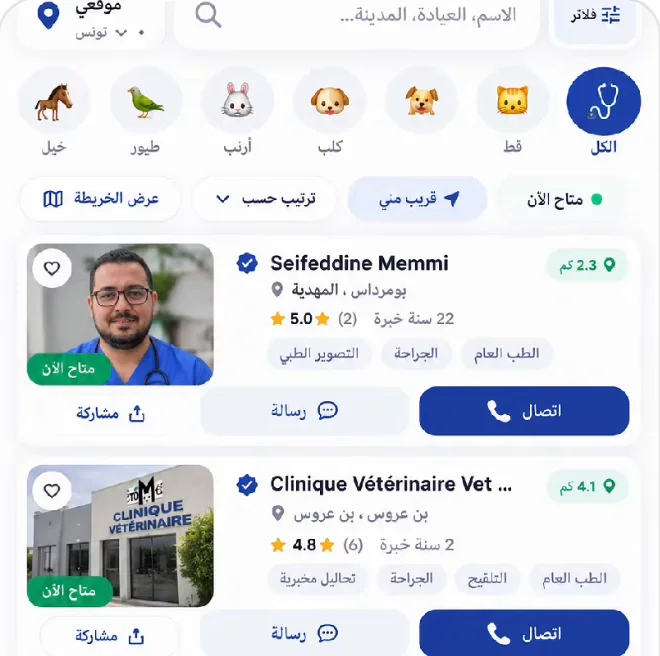
At the end of the visit, ask for a clear plan: care to continue, signs to watch for and the date of the next contact. To arrange an appointment, consult the veterinarian directory.
In summary
- Schedule an annual assessment for a healthy adult dog or cat, then adjust the rhythm with your veterinarian.
- For young animals, elderly animals and farms, set up a personalised schedule.
- Bring the health record and note any changes observed as well as the treatments given.
- Discuss weight, mouth, parasites and vaccines according to the animal's real needs.
- If a sign is worrying, contact a veterinarian without waiting for the preventive visit.
Frequently asked questions
How often should a healthy dog or cat be examined?
An annual appointment is a good starting point for a healthy adult. The veterinarian may recommend closer follow-up depending on its age, medical history or an ongoing treatment.
Should my animal be vaccinated at every annual check-up?
No. The assessment allows vaccinations to be checked, but an injection is not necessarily needed at every visit. The veterinarian reviews the record and adapts the schedule to the animal and its circumstances.
Can I wait for the annual visit if an animal seems unwell?
No. Contact a veterinarian as soon as any sign worries you, especially if the animal's condition is deteriorating. A preventive check-up complements consultations for illness; it does not replace them.
Leave a comment
Be the first to comment on this article.
