Tunisia Poultry Sector: Real Crisis or False Alarm on Prices?

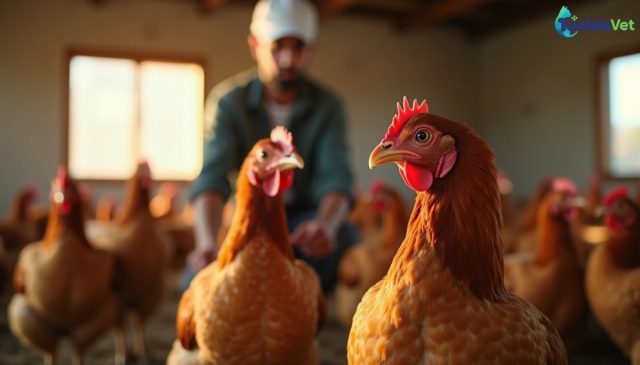
The Tunisia poultry sector is currently at the centre of an unusual public debate: on one side, industry representatives insist everything is fine, while on the other, ministerial authorities point to price instability and structural difficulties. Between these two narratives, it's hard for farmers, traders and consumers to know where the truth really lies. Here's a breakdown of the available facts to better understand what's at stake.
An industry that officially denies any crisis
On 4 June 2026, speaking on Diwan FM, Ibrahim Nefzaoui, president of the National Chamber of Poultry and White Meat Traders, was categorical: according to him, there is "no crisis whatsoever" in Tunisia's poultry and egg sector. His main argument rests on market balance: supply is currently said to exceed demand, which in theory should put downward pressure on prices rather than trigger an uncontrolled rise.
In concrete terms, the prices recorded remain within ranges the industry representative considers stable:
- Chicken is selling at 8.5 dinars per kilogram.
- Turkey escalopes range between 15 and 19 dinars per kilogram.
For those defending this position, these figures don't reflect a price surge that would justify the word "crisis," a term often used in the media or public discussions as soon as a food sector shows any variation.
A more nuanced picture from ministerial authorities
This reassuring narrative contrasts with the one coming from the authorities. On Monday 3 June 2026, Samir Abid, Minister of Trade and Export Development, brought together representatives of poultry sector companies as well as professional and administrative bodies. According to the official statement released on the occasion, the meeting focused on "the general situation of the sector, particularly during the recent period marked by various developments, climate fluctuations and price instability."
This official wording therefore explicitly acknowledges two elements that the industry's narrative downplays:
- Price instability in the poultry market, rather than mere relative stability.
- A context of climate fluctuations directly affecting production.
The minister also stressed the need to set up a working group bringing together all stakeholders in the poultry sector to examine and resolve the issues identified. He further highlighted the importance of strengthening coordination between central and regional administrative bodies and professional organisations, while calling for preparedness in case of potential emergency situations.
The role of climate and technical setbacks in poultry farming
Beyond the debate over terminology, one concrete factor stands out in the reported exchanges: the recent heatwave and power outages have caused losses for many producers. This point is central to understanding the situation, since poultry farming remains particularly vulnerable to extreme weather conditions:
- High temperatures increase heat stress in poultry and can raise mortality rates on farms.
- Power outages disrupt ventilation in poultry houses, a factor that is nonetheless essential to maintaining liveable conditions for the birds.
- These production losses, once they filter through to the market, can fuel localized price tensions, even in a context of generally sufficient supply.
It is precisely this combination — climate hazards, technical constraints and diverging perceptions among stakeholders — that makes diagnosing the sector so complex at this stage.
Poultry market instability: what should consumers and professionals do?
Pending the conclusions of the future working group announced by the ministry, the authorities are issuing a clear recommendation to consumers: buy exclusively from approved and inspected retail outlets, and avoid unlicensed slaughterhouses. This precaution aims to guarantee the food safety of poultry products, a priority issue regardless of the ongoing debate over prices.
For farmers and industry professionals, this period of poultry market instability calls for several forms of vigilance:
- Anticipate heat peaks by strengthening ventilation systems and backup solutions in case of power outages.
- Closely follow announcements from the upcoming inter-institutional working group, which could lead to concrete support or regulatory measures.
- Maintain dialogue with regional professional and administrative bodies, in the spirit of coordination called for by the ministry.
Whatever the final verdict on whether a "crisis" truly exists, animal welfare remains an essential pillar of any responsible poultry production, especially during periods of extreme heat. Farmers noticing signs of weakness or unusual mortality in their flocks are strongly advised to promptly consult a professional via the directory of veterinarians specialized in poultry and chickens for a diagnosis tailored to their farm.
Is there really a poultry crisis in Tunisia?
Opinions diverge depending on the source: industry professionals speak of stable prices and sufficient supply, while the Ministry of Trade officially acknowledges price instability linked to recent climate hazards. The situation therefore remains to be clarified through the working group announced by the authorities.
Need a professional opinion? If in doubt or in an emergency, find a veterinarian near you on TunisieVet.
Leave a comment
Be the first to comment on this article.