
Dog and Cat Deworming Schedule: How to Plan It Right


A dog and cat deworming schedule should be regular, not occasional: puppies and kittens need treatment more often, then adults need a plan adapted to their lifestyle. In Tunisia's hot climate, parasites circulate for much of the year. Here is how to build a simple schedule, choose the right product with your veterinarian, avoid common mistakes, and protect the whole family.
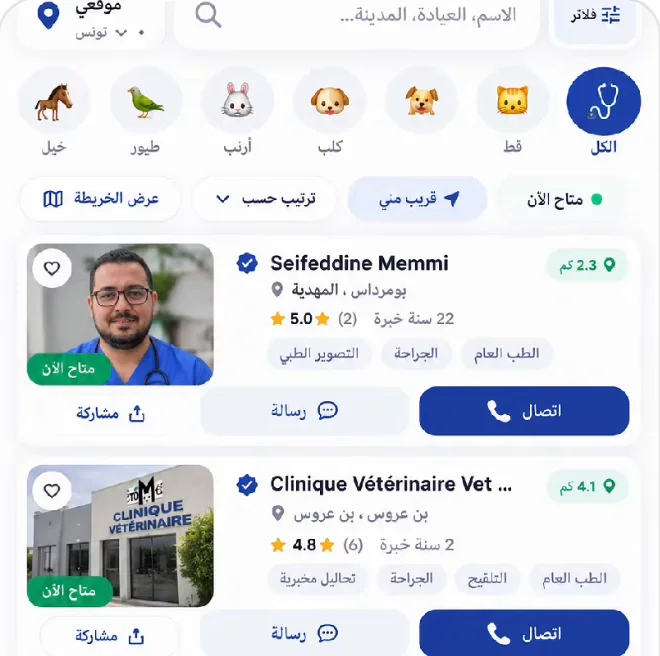
The TunisieVet app to care for your pet
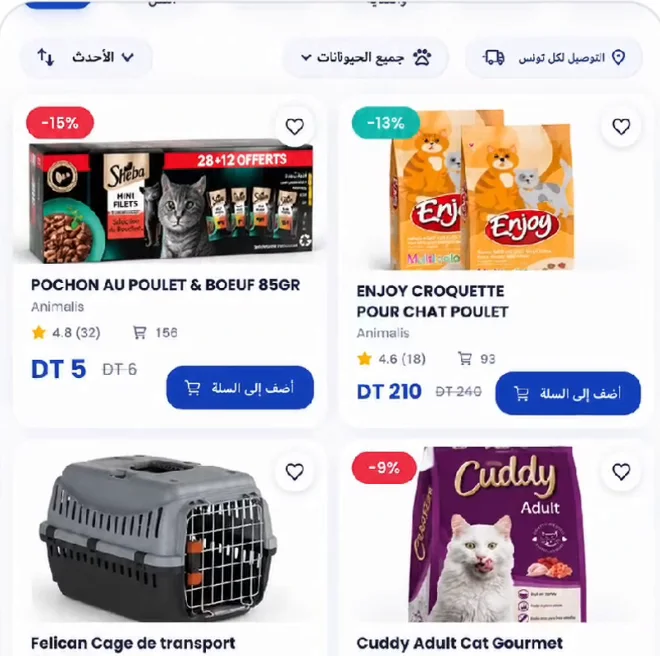
Vets, adoption and products




1. Why a prevention plan beats treating only when needed
Intestinal worms (roundworms, tapeworms, and sometimes microscopic parasites) often settle in without any visible sign. An animal can look perfectly healthy while shedding eggs that contaminate soil, litter, or straw.
A veterinary prevention plan sets dates in advance. It means you don't wait for symptoms such as weight loss, a swollen belly, diarrhoea, a dull coat, or worms visible in the stool or under the tail.
Hot weather helps eggs and larvae survive in yards, gardens, and animal sheds. Effective parasite prevention in Tunisia therefore relies on consistency rather than on one strong treatment.
2. Deworming schedule by age and lifestyle
Puppies and kittens
Young animals become infected very early, sometimes before birth or through their mother's milk. Treatments therefore start young, at close intervals, continuing through weaning and beyond. Your veterinarian will set the exact dates based on weight and the product used.
Adults
The rhythm depends on exposure. A garden dog that hunts, digs, or eats carrion faces a different risk from a strictly indoor cat.
| Situation | Usual rhythm | To discuss with your veterinarian |
|---|---|---|
| Puppy / kitten | Very frequent at first, then spaced out | Weight, age, suitable product |
| Dog or cat that goes outdoors, hunter | Regular, more frequent | Contact with rodents, offal, waste |
| Indoor cat | More spaced out | Other animals, shared litter tray |
| Pregnant or nursing bitch or queen | Specific protocol | Products compatible with pregnancy |
| Farm animal | Depending on season and grazing | Faecal analysis of the herd |
3. Farm animals: sheep, goats, cattle, poultry
In ruminants, parasite burden depends on pasture, heat, and the humidity of the fields. Lambs, kids, and calves are the most vulnerable. Lambing or kidding periods, returning animals to the shed, and changing grazing areas are key moments.
In hens, worms spread through droppings and soiled litter. Regular cleaning of the henhouse matters as much as the wormer itself.
For a small farm, ask for a faecal egg count: it shows whether treatment is needed and which one. Treating the whole herd without a diagnosis encourages parasite resistance.
4. Choosing the active ingredient: label and veterinary advice
There is no universal wormer. Products target specific worms: roundworms, tapeworms, or others. Some are unsuitable for a given species, or even dangerous for it.
- Read the label: species, minimum age, dose by weight, interval between doses.
- Weigh the animal: the dose is calculated on actual weight, not estimated by eye.
- Ask for advice for pregnant females, and for fragile, elderly, or medicated animals.
- Change products on professional advice rather than at random.
To set up your plan, consult a veterinarian near you in the TunisieVet directory. For a dog, the page on veterinarians for dogs is a good starting point.
5. Common mistakes to avoid
- Giving a dog product to a cat, or a farm product to a pet.
- Estimating the dose without weighing the animal.
- Treating once and then forgetting: reinfestation is common.
- Treating only one animal when every animal in the household is exposed.
- Stopping once symptoms disappear.
- Ignoring the environment: stool left lying around, litter rarely changed, damp straw.
- Using leftover or expired product.
6. Hygiene at home and on the farm
Some parasites can pass to humans, especially to children who play on the ground.
- Pick up droppings every day and dispose of them hygienically.
- Wash your hands after contact with the animal, its litter, or manure.
- Change and clean litter often; wear gloves.
- Stop children from putting soiled soil or toys in their mouths.
- On farms, clean troughs and feeders, avoid overcrowding, and rotate grazing areas where possible.
- Store wormers out of reach of children and animals.
Keep a logbook: date, product, dose, weight. It makes your schedule reliable and simplifies discussions with your veterinarian.
In short
- Set a written schedule with reminder dates.
- Adapt the rhythm to age, lifestyle, and species.
- Choose the product according to the label and your veterinarian's advice, using actual weight.
- Treat all the animals concerned and clean up the environment.
- Maintain strict hygiene for hands, litter, and animal shelters.
Frequently asked questions
How often should a dog or cat be dewormed?
It varies with age and exposure: frequent in young animals, more spaced out in lightly exposed adults. Your veterinarian sets the exact rhythm and product.
Can a pregnant dog or cat be dewormed?
Yes, but only with a product and protocol approved by your veterinarian. Not all wormers are suitable during pregnancy.
Can I use the same wormer for all the animals in the house?
No. Each product is designed for a specific species and dose. Follow the label and ask for advice before any shared treatment.
Conclusion
Good dog and cat deworming rests on a clear schedule, a suitable product, and rigorous hygiene. Talk to your veterinarian to build a plan suited to your animals, whether they live at home or on the farm.
Leave a comment
Be the first to comment on this article.