Artificial Insemination in Cattle: Why and How to Prepare

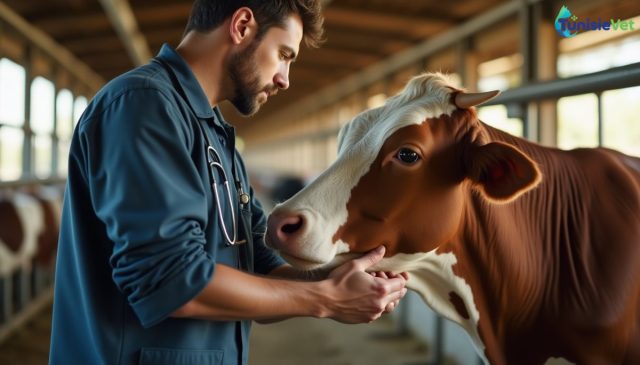
Artificial insemination in cattle has become a standard practice on dairy and beef farms worldwide. Whether you're looking to improve herd genetics, streamline reproductive management, or eliminate the risks associated with keeping a bull on-farm, this technique is a cornerstone of modern cattle production. Yet success requires understanding the fundamentals to maximize benefits—both for animal health and the bottom line.
What Is Artificial Insemination and Why Use It?
Artificial insemination (AI) involves depositing carefully selected bull semen directly into the cow's reproductive tract, without natural mating. This method offers several well-documented advantages recognized by livestock professionals:
- Access to superior genetics without the cost and management demands of keeping a breeding bull on-farm
- Reduced risk of venereal disease transmission between animals
- Greater control over calving schedules and herd synchronization
- Enhanced safety for farm workers, as bulls can pose a serious physical hazard
This approach does require proper animal preparation and consistent follow-up to maximize success rates.
Detecting Estrus: The Key to Successful Insemination
The success of artificial insemination hinges on accurately identifying when a cow is in heat. Cattle in estrus typically display several recognizable signs:
- Restlessness and increased vocalization
- Mounting behavior toward other cows, or willingness to be mounted
- Clear, stringy vaginal discharge
- Reduced feed intake and temporary dip in milk production
Maintaining a consistent breeding record allows you to anticipate future estrous cycles and schedule insemination at the optimal window. Daily herd observation, conducted morning and evening, remains your most reliable tool for catching these crucial signs.
The Importance of Timing
The window for successful conception is narrow. Inseminating too early or too late relative to ovulation significantly reduces pregnancy odds. This is why close coordination with a cattle reproduction specialist or veterinarian is essential for reliable results.
Preparing Your Cow Before Insemination
Simple preparation steps before the procedure improve outcomes considerably:
- Confirm the cow is in good overall health, free from lameness or visible infection
- Assess body condition—aim for neither too thin nor overweight
- Ensure continuous access to clean, fresh water and a balanced diet
- Minimize stress in the hours before insemination—avoid unnecessary transport, rough handling, or environmental changes
- Use calm surroundings and proper restraint facilities during the procedure
A stressed or weakened cow is naturally less likely to carry a pregnancy to term, even if the technical insemination proceeds smoothly.
Monitoring After Insemination
Once insemination is complete, careful observation continues. Best practices include:
- Watch for the absence of return to heat over the following weeks—an encouraging sign of pregnancy
- Maintain consistent, quality nutrition without abrupt dietary shifts
- Limit unnecessary movement and handling during the early weeks after insemination
- Schedule a pregnancy check with a veterinarian to confirm success
If you have questions about your animal's reproductive health, semen selection, breeding schedules, or herd health management, consult a veterinarian specializing in cattle who can guide you through every step of the process.
Frequently Asked Questions
How long after insemination can you confirm pregnancy?
Absence of estrus about three weeks after insemination is a good indicator, but only a veterinary examination—via ultrasound or palpation—can definitively confirm pregnancy.
Can you retry insemination if the first attempt fails?
Yes, absolutely. You can attempt insemination again during the next heat cycle. A single failure may stem from several causes (poor timing, stress, health issues) that a professional can help you identify and address.
Need a professional opinion? If in doubt or in an emergency, find a veterinarian near you on TunisieVet.
Leave a comment
Be the first to comment on this article.