Sheep and Goat Mortality: Causes and Prevention Strategies

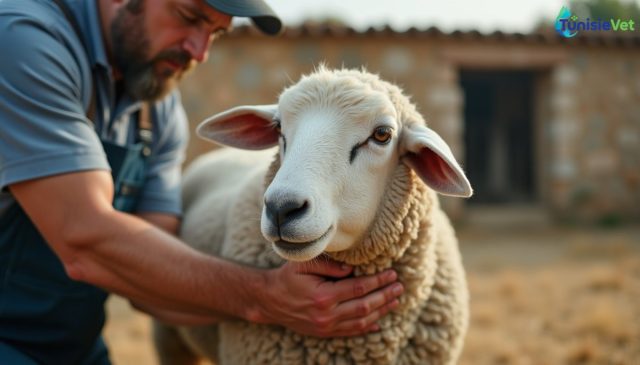
Sheep and goat mortality is a major concern for any livestock keeper, whether managing a small family flock or a larger commercial operation. When multiple animals die within a short timeframe, concern is understandable—the causes can be diverse, ranging from infectious disease to food poisoning and extreme weather conditions. Understanding risk factors and adopting proper management practices can significantly reduce losses and protect the rest of your herd.
Main Causes of Mortality in Sheep and Goat Herds
Several factors can explain a sudden increase in deaths among sheep and goats. Knowing these causes is essential for taking swift and effective action.
Infectious and Parasitic Diseases
- Enterotoxemia, often triggered by sudden changes in feed.
- Internal parasites (gastrointestinal worms, liver fluke) that progressively weaken animals.
- Respiratory diseases favored by high humidity and poor ventilation in shelters.
Food Poisoning
Toxic plants ingested from pasture, moldy feed, or an overly rapid change in ration can cause severe digestive problems, sometimes fatal within hours.
Climatic Stress
Periods of extreme heat, intense cold, or prolonged humidity particularly weaken young animals, pregnant females, and already compromised individuals.
Recognizing Warning Signs Before It's Too Late
Daily monitoring of your flock often allows early detection of illness before it spreads widely.
- Loss of appetite or an animal isolating itself from the group.
- Diarrhea, abdominal bloating, or breathing difficulties.
- Abnormal gait, general weakness, or inability to stand.
- Fever or conversely, abnormally low body temperature.
As soon as any of these signs appear, isolate the affected animal to prevent contagion and promptly contact an animal health professional.
Preventing Mortality: Essential Livestock Management Practices
Prevention remains your best defense against sudden losses in a flock.
- Regular vaccination and deworming according to a schedule suited to your region and type of operation.
- Water and feed quality: check for mold contamination, avoid abrupt feed changes, and ensure constant access to clean, fresh water.
- Shelter hygiene: a well-ventilated, dry shelter cleaned regularly significantly reduces respiratory and parasitic disease risks.
- Pasture management: inspect grazing areas for potentially toxic plants, especially after heavy rains or late in the season.
- Quarantine new animals before introducing them to the herd to prevent the spread of contagious diseases.
What to Do When Facing Abnormal Mortality
When multiple animals die in quick succession, don't face the situation alone. A rapid diagnosis often saves the rest of the herd:
- Immediately isolate sick animals from healthy ones.
- Handle carcasses carefully to avoid contaminating soil and water sources.
- Document observed symptoms (time of onset, progression, recent feed) to assist diagnosis.
- Contact a qualified professional promptly to identify the exact cause and implement appropriate treatment.
Consulting a veterinarian specializing in sheep or a competent professional for goats enables reliable diagnosis and prevents the situation from worsening. These professionals can also advise on biosecurity and hygiene measures to strengthen on your farm.
Why Can Multiple Animals Die at the Same Time in a Herd?
Grouped mortality often signals a common cause: rapidly spreading infectious disease, food poisoning affecting multiple animals consuming the same ration, or extreme weather stress impacting the entire herd simultaneously. Only veterinary examination can identify the precise cause and enable intervention before more animals are affected.
Need a professional opinion? If in doubt or in an emergency, find a veterinarian near you on TunisieVet.
Leave a comment
Be the first to comment on this article.