Mosquito Season in Tunisia: Protecting Sheep and Cattle

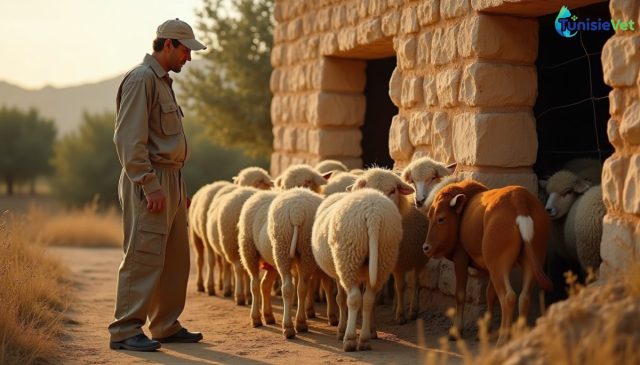
As temperatures rise and water pools around sheepfolds and cattle barns, mosquito season puts livestock under considerable stress. Beyond the irritation caused by bites, these insects can transmit diseases and cause lasting harm to sheep and cattle. This practical guide explains the real risks and provides Tunisian farmers with concrete solutions to protect their herds.
1. Why Mosquitoes Pose a Real Threat to Your Herd
Mosquitoes are far more than a simple nuisance: repeated bites cause stress, skin reactions, and loss of appetite in both sheep and cattle. An animal harassed at night sleeps less, grazes less, and produces less milk.
Some mosquitoes can also act as vectors—that is, they can transmit pathogens from one animal to another. This is why monitoring herd health during this period is just as important as controlling the insects themselves.
Warning Signs Every Farmer Should Watch For
- Nighttime agitation, repeated stamping, and unusual clustering of animals
- Small red patches, scabs, or swelling on the ears, udders, belly, or muzzle
- Loss of appetite or milk production with no obvious cause
- Fever, lethargy, or progressive weight loss
These symptoms don't automatically signal serious illness, but they always warrant close observation and, if in doubt, veterinary consultation.
2. Designing Shelters to Limit Mosquito Breeding
Prevention starts with the environment: a well-designed shelter significantly reduces mosquito presence.
- Eliminate standing water: puddles, poorly drained water troughs, abandoned tires, and containers are ideal breeding grounds
- Improve air circulation: good ventilation disrupts mosquito flight, especially when they're most active at dawn and dusk
- Install fine mesh screens or netting over barn and sheepfold openings, particularly at night
- Clean bedding regularly to prevent the moisture that encourages larval development
- Keep water sources away (ponds, irrigation basins) from livestock resting areas as much as possible
A dry, clean, and well-ventilated shelter remains the most effective and sustainable measure against mosquito breeding.
3. Repellents and Direct Animal Protection
In addition to shelter management, several methods can protect animals directly against bites.
- Veterinary-grade repellents: products specifically designed for livestock are available as sprays or topical applications; they should be selected and used following guidance from a veterinarian or agricultural pharmacist
- Oils and traditional preparations: some local practices use aromatic plants whose smell repels insects, only as a supplement to validated treatments, never as a replacement
- Lightweight covers or anti-insect bands on sensitive areas (udders, ears) during peak mosquito activity periods
- Diffusers or gentle fumigation in shelters during evening hours, ensuring adequate ventilation to avoid discomfort to animals
Before applying any repellent, always verify it's appropriate for the species being treated: a product designed for cattle may not be suitable for sheep, especially nursing ewes or lambs.
4. Adjust Grazing and Milking Schedules
Mosquitoes are particularly active at sunrise and sunset. Adjusting your herd's schedule around these periods significantly reduces exposure.
- Favor grazing during midday rather than early morning or late afternoon
- Return animals to protected shelters before nightfall
- Carry out milking in a clean space, ideally protected by mosquito netting
- Keep young animals, which are more vulnerable, indoors during high-risk hours
5. Monitor for Mosquito-Borne Diseases
Certain livestock diseases are associated with biting insect activity, especially during warm and humid periods. While remote diagnosis is impossible, the farmer plays a crucial role: spotting abnormal signs early and seeking professional advice.
| Sign Observed | Species Affected | Recommended Action |
|---|---|---|
| Recurring skin lesions or scabs | Sheep and cattle | Isolate the animal, consult a veterinarian |
| Sudden fever and lethargy | Cattle | Close monitoring, call veterinarian promptly |
| Decreased milk production | Sheep and cattle | Check diet, water access, and overall condition |
| Localized swelling or edema | Sheep and cattle | Veterinary consultation without delay |
When in doubt, it's always better to consult quickly rather than wait for symptoms to worsen. The veterinary directory helps you find a professional near your farm for a herd examination.
6. Strengthen Your Herd's Natural Resistance
A healthy animal withstands stress from repeated bites far better. A few simple steps help:
- Ensure constant access to clean, fresh water
- Provide balanced nutrition suited to the animal's age and physiological stage
- Avoid overcrowding in shelters, which creates stress and excessive heat
- Maintain regular health monitoring with a veterinarian, especially for pregnant ewes and dairy cows
Summary
- Eliminate standing water around shelters to limit mosquito reproduction
- Install fine mesh screens and netting over barn and sheepfold openings
- Use species-appropriate repellents validated by a professional
- Adjust grazing and milking times to avoid peak mosquito activity periods
- Watch for skin signs, fever, and production drops; consult quickly if anything seems off
Frequently Asked Questions
Can mosquitoes actually make sheep and cattle sick?
Yes, beyond the irritation from bites, some mosquitoes can transmit pathogens. Regular herd monitoring allows you to detect any abnormal signs quickly.
Which repellents are safe to use on livestock?
Only veterinary-grade products suited to the species and animal's physiological stage should be used. A veterinarian or agricultural pharmacist can recommend the most appropriate product for your situation.
When during the day are mosquitoes most active?
Mosquitoes are generally most active at sunrise and sunset. Returning animals to a protected shelter during these times significantly reduces the number of bites.
Mosquito season demands constant vigilance, but simple practices are often enough to effectively protect sheep and cattle. If you notice any unusual symptoms, don't delay—consult a veterinarian to preserve your herd's health and productivity.
Leave a comment
Be the first to comment on this article.