
Household chemicals: Complete guide to protect your animals

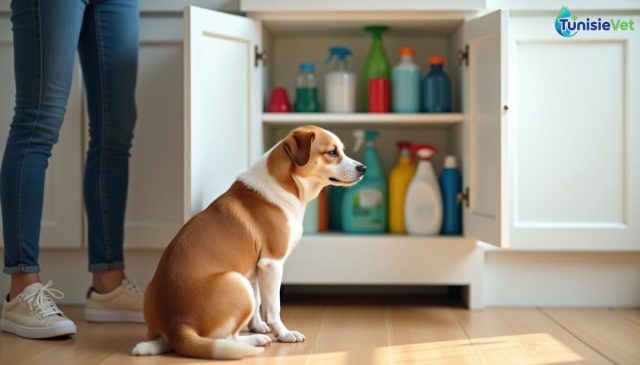
Household, agricultural, and cleaning chemicals represent an underestimated daily danger for animals. This practical guide explains which products to watch out for, common mistakes made by pet owners and beginning farmers, and the right habits to adopt to reduce the risk of poisoning at home and on the farm.
The TunisieVet app to care for your pet
Vets, adoption and products





1. Which chemicals pose a risk to animals?
Many everyday products contain substances toxic to animals, sometimes even at very low doses. Recognizing them is the first step in securing a home or farm.
- Household cleaners: bleach, detergents, drain cleaners, concentrated disinfectants.
- Garden products: herbicides, pesticides, chemical fertilizers, slug killers.
- Automotive products: antifreeze, motor oil, brake fluid.
- Antiparasitic products: certain treatments with incorrect dosing or intended for a different species.
- Human medications: painkillers, anti-inflammatories left within reach of animals.
- Agricultural crop protection products: used on crops or feed, sometimes causing poisoning in livestock.
2. Common mistakes among pet owners and beginning farmers
The majority of accidental poisonings result from preventable errors related to storage, dosing, or lack of knowledge about the products being used.
Poor storage practices
Leaving containers of cleaning products or agricultural treatments accessible to curious animals is a leading cause of accidents, particularly with dogs, cats, and young farm animals.
Confusion between products intended for different species
An antiparasitic designed for one species can be toxic to another. It is essential to always check the target species indicated on the packaging before any application.
Approximate dosing
Increasing a dose "to be sure it works" is a classic mistake that can cause serious poisoning, even with products considered harmless.
Ignoring re-entry periods after treatment
Returning animals to a treated enclosure, pasture, or room too soon exposes them to inhalation or ingestion of still-active residues.
3. Good practices to secure your environment
A few simple habits significantly reduce the risk of accidental chemical exposure.
- Store all chemicals in a locked cabinet, out of reach and out of sight of animals.
- Always read the label before use, particularly warnings about toxicity to animals.
- Strictly follow the doses and time periods indicated by the manufacturer.
- Isolate animals during product application and wait for complete drying before allowing them to return.
- Clearly label containers, especially if contents have been transferred to another container.
- Immediately clean up any spills or splashes on the floor or bedding.
4. Recognizing signs of poisoning
Quickly identifying symptoms allows you to act before the situation worsens.
| Observed sign | Urgency level | Recommended action |
|---|---|---|
| Vomiting, excessive salivation | Moderate to high | Contact a veterinarian promptly |
| Trembling, convulsions | Absolute emergency | Immediate veterinary consultation |
| Difficulty breathing | Absolute emergency | Immediate veterinary consultation |
| Skin or mucous membrane irritation | Moderate | Rinse with clear water, monitor, consult if persistent |
| Unusual lethargy, loss of appetite | Moderate | Close monitoring, veterinary advice recommended |
5. What to do in case of accidental exposure
The pet owner's or farmer's immediate reaction often determines how the situation unfolds.
- Move the animal away from the source of the product without putting yourself in danger.
- Never induce vomiting without professional advice, as some products are more dangerous if refluxed.
- Keep the product packaging to identify it precisely to your veterinarian.
- Rinse thoroughly with clear water in case of skin or eye contact.
- Call or visit a veterinarian as soon as possible, even if no visible symptoms are present.
If you are unsure about the severity of exposure, it is always better to seek professional advice through the veterinarian directory rather than wait for symptoms to worsen.
6. Specific precautions on farms
Agricultural operations often combine multiple categories of chemicals, requiring strict organization.
- Physically separate chemical storage areas from livestock feed zones.
- Train anyone handling crop protection products on dosing and safety rules.
- Verify the compatibility of a treatment with the target species before using it on a herd.
- Keep a record of all treatments applied to ensure traceability in case of health issues.
Summary
- Identify all chemicals present in your home or on your farm and their associated risks.
- Store them out of reach of animals, labeled, and in their original containers.
- Always follow the doses, time periods, and target species listed on the packaging.
- Learn to recognize signs of poisoning so you can act without delay.
- Contact a veterinarian at the first sign of doubt rather than waiting for symptoms to escalate.
Frequently asked questions
Can standard household products be used safely around animals?
Some household products are tolerable during normal use, but many remain toxic if ingested or on prolonged contact. It is best to keep animals away while cleaning and thoroughly rinse any accessible surfaces.
How can I tell if a product is dangerous for animals?
Product labels typically mention usage precautions and potential risks to pets. If there is no clear information, it is better to ask a veterinarian for advice before using any product.
What should I do immediately if an animal licks a chemical?
Move it away from the source, do not attempt to induce vomiting without professional guidance, and contact a veterinarian while keeping the product packaging handy. Every minute counts in directing the proper care response.
Adopting good practices around chemicals protects the health of both companion animals and livestock in the long term. At the first sign of anything unusual after exposure, seeking veterinary advice remains the best practical course of action without delay.
Leave a comment
Be the first to comment on this article.
