
Rustic Dog Breeds for Tunisia: Best Choices for Hot Climate

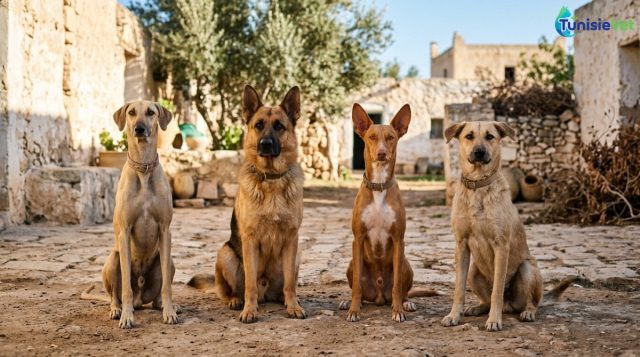
Which dog breeds truly withstand Tunisia's intense heat without compromising their health? Rustic breeds originating from the Mediterranean region or arid zones remain the safest choice: they tolerate high temperatures better, require fewer specific care needs, and thrive equally well for guarding property or working on farms. This guide details the selection criteria, breeds adapted to semi-arid climates, and common mistakes to avoid.
1. Why Tunisia's Climate Demands Thoughtful Breed Selection
Tunisia's Mediterranean and semi-arid climate combines long, hot, dry summers with mild but sometimes humid winters, particularly in the north. Not all dog breeds adapt well to this alternation. Breeds with very dense coats, extremely short muzzles, or those originating from cold climates suffer more in the heat, with an increased risk of heatstroke.
A dog well-suited to the Mediterranean climate typically has a short or medium-length coat with low density, a body structure allowing good heat dissipation, and a temperament accustomed to outdoor activity. These characteristics limit heat-related complications and reduce maintenance demands.
2. The Rustic Breeds Most Adapted to Mediterranean and Semi-Arid Climates
The Sloughi
Originating from North Africa, the Sloughi is a sighthound with short, fine, sparse coat perfectly suited to hot, dry climates. Rustic, enduring, and frugal, it has historically been used for hunting in arid environments. It is a sensitive dog, deeply attached to family, less suited to pure guarding work but an excellent active companion.
The Anatolian Shepherd and Livestock Guardian Dogs
Large livestock protection breeds, with dense coats but textures adapted to temperature fluctuations, are renowned for their outdoor hardiness year-round. They have been selectively bred to live outdoors, guard flocks, and withstand the dramatic temperature swings between day and night common in semi-arid regions.
The German Shepherd and Its Rustic Variants
Widely used as a guard dog in Tunisia, the German Shepherd adapts reasonably well to the local climate provided it has access to shade, fresh water at all times, and is not exposed during the hottest hours. Its versatility—guarding, working, companionship—makes it a frequent choice for rural properties.
The Podenco and Mediterranean Primitive-Type Dogs
Podenco-type breeds, found across several Mediterranean basin countries, share useful characteristics in hot climates: erect ears promoting thermoregulation, short coat, lean build, and exceptional endurance. These are rustic dogs, rarely prone to skin diseases linked to humidity or excessive heat.
Baladi-Type Dogs and North African Local Breeds
Local population dogs, sometimes called "baladi" dogs, often display natural rusticity acquired through natural selection over generations in the region. Their immune systems and coats are typically well-adapted to local conditions, with strong resistance to parasites common in the area.
3. Practical Criteria for Choosing a Guard or Farm Dog That Fits the Climate
Beyond breed, several practical criteria help assess a dog's real adaptation to the semi-arid climate:
- Coat type: favor short to medium-length coat with low density, rather than thick undercoats designed for cold climates.
- Coat color: light-colored coats reflect heat better than very dark ones, valuable for a dog living primarily outdoors.
- Morphology: a medium-sized dog with fine bone structure dissipates heat better than a heavily muscled, massive dog.
- Geographic origin: a breed originating from the Mediterranean basin, Middle East, or North Africa is statistically better prepared for the local climate.
- Working temperament: for a guard or farm dog, seek a breed recognized for alertness, endurance, and ability to remain active despite heat.
4. Comparative Profile Table by Intended Use
| Breed Profile | Primary Use | Coat Type | Maintenance Level |
|---|---|---|---|
| Sloughi | Active companionship, hunting | Short, fine | Low |
| Livestock guardian dog | Flock guarding, farm work | Dense but adapted | Moderate |
| German Shepherd | Guarding, versatile work | Medium-length, double | Moderate to high |
| Podenco / primitive type | Light guarding, companionship | Short, sleek | Low |
| Local baladi-type dog | Property guarding, farm work | Variable, short | Low |
5. Specific Needs of a Rustic Dog in a Hot Climate
Even a rustic breed has non-negotiable needs to stay healthy under hot conditions:
- Permanent access to fresh, clean water, refreshed multiple times daily during summer.
- A shaded area, whether natural or constructed, available at all times of day.
- A ventilated shelter for nighttime, preventing humidity and cold drafts during winter.
- Exercise and activity scheduled for early morning or evening, never during the hottest hours.
- Regular parasite control, as ticks and fleas are particularly active in hot climates.
6. Common Mistakes to Avoid When Choosing a Breed
Certain errors recur regularly among owners and breeders in semi-arid zones:
- Choosing a Nordic or very dense-coated breed for its appearance, without anticipating heatstroke risks.
- Overlooking genetic origin by assuming a local cross is automatically rustic, when rusticity also depends on breeding conditions.
- Underestimating a guard dog's needs for space, stimulation, and regular social interaction.
- Letting a puppy acclimate to heat alone without gradual transition or access to shade from the first weeks.
- Ignoring veterinary follow-up on the assumption that a breed is rustic: vaccination, deworming, and parasite control remain essential.
Before adopting or acquiring a puppy, it is recommended to consult veterinarians for dogs to validate overall health status and establish a prevention schedule adapted to the local climate. To welcome an already-weaned dog, adoption is also a viable option instead of purchase.
In Summary
- Favor breeds with short or medium-length, low-density coats originating from hot or arid climates.
- Sloughis, livestock guardian dogs, German Shepherds, Podencos, and local baladi-type dogs are among the best-adapted profiles.
- Guarantee fresh water, shade, and a ventilated shelter year-round.
- Schedule activity during the coolest hours of the day.
- Maintain regular veterinary care, even for a breed known as rustic.
Frequently Asked Questions
Which dog breed handles Tunisia's heat the best?
Breeds with short, fine coats, such as the Sloughi or Podenco-type dogs, generally tolerate heat better than dense-coated breeds. Local baladi-type dogs, accustomed to the regional climate, also display good rusticity.
Can a German Shepherd live outdoors in Tunisia?
Yes, provided it receives shade, fresh water at all times, and a ventilated shelter at night. It is also important to avoid direct sun exposure during the hottest hours of the day.
How can you tell if a dog is suffering from heat?
Excessive panting, unusual lethargy, or reluctance to move are warning signs to monitor closely. When in doubt, it is best to quickly consult veterinarians for dogs to rule out heatstroke.
Need a professional opinion? If in doubt or in an emergency, find a veterinarian near you on TunisieVet.
Leave a comment
Be the first to comment on this article.
