
Best Dog Breeds for Tunisia: Choose by Climate & Lifestyle

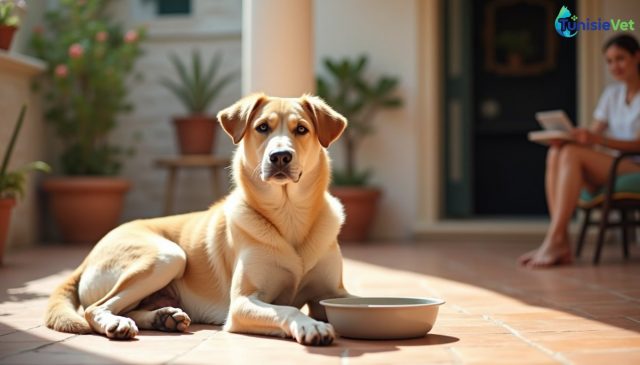
Selecting dog breeds suitable for Tunisia requires balancing two essential criteria: heat tolerance and compatibility with your daily routine. A dog poorly adapted to the Mediterranean climate can suffer from heatstroke, while an overly active breed confined to a small apartment will quickly become bored. This practical guide helps you make a thoughtful, sustainable, and responsible choice.
1. Why Hot Climate Influences Breed Selection
The Mediterranean heat, with its long, dry summers, puts considerable strain on some dogs more than others. A dog's morphology, coat color and length, and muzzle shape all determine its ability to regulate body temperature effectively.
Dogs with short muzzles (called brachycephalic) breathe less efficiently and struggle to release heat through panting. Breeds with long, dense coats, originally designed for cold climates, also accumulate excessive heat. Conversely, a dog with a short coat generally tolerates high temperatures better, provided it has access to shade and fresh water at all times.
Heat-Related Warning Signs
- Excessive and prolonged panting, even at rest
- Abundant drooling and very red gums
- Unsteady gait or sudden weakness
- Refusal to move or constant seeking of shade
If these signs appear, cool the animal immediately and consult a veterinarian without delay.
2. Heat-Tolerant Dog Breeds: What Characteristics to Look For
To identify dogs well-suited to warm climates, several physical and behavioral criteria should be prioritized:
- A short, fine, and light-colored coat that reflects sunlight better
- A long or medium muzzle, which favors efficient breathing
- Historical origins linked to arid or semi-desert regions
- A temperament capable of managing prolonged rest periods during the hottest hours
Examples of Heat-Tolerant Profiles
Sighthound-type breeds, sleek and short-haired, originating from warm regions, often adapt well to the local climate. Short-haired herding dogs, accustomed to working outdoors, also tolerate high temperatures better than Nordic breeds with thick double coats.
3. Choosing a Dog Breed as an Owner: Evaluate Your Lifestyle
Choosing a dog breed as an owner requires an honest assessment of your availability, living space, and energy level. A dog is not an accessory: it is a commitment spanning many years.
Questions to Ask Before Adoption
- Do you have outdoor space, a terrace, or a shaded garden?
- How much time can you dedicate each day to walks and play?
- Do you live alone, with a family and children, or with other animals?
- Is your lifestyle calm and routine, or particularly active?
An energetic working dog, bred to run and herd livestock, will struggle if confined to a small studio apartment all day. Conversely, a calm, sedentary breed may become bored without proper mental stimulation.
4. Comparative Table: Breed Profiles by Climate and Lifestyle
| Profile Type | Heat Tolerance | Exercise Needs | Recommended Lifestyle |
|---|---|---|---|
| Sighthound-type, short coat | Good to excellent | Moderate, with bursts of speed | House with enclosed space or regular outings |
| Herding dog, short coat | Good | High, needs daily activity | Active lifestyle, outdoor, athletic owner |
| Small companion dog, short coat | Good if shade available | Low to moderate | Apartment, urban living, calm family |
| Short-muzzled breed (brachycephalic) | Poor, close monitoring required | Low | Air conditioning necessary, outings during cool hours |
| Long-haired, dense-coated breed | Poor without proper grooming | Variable by breed | Rigorous maintenance, enhanced shade and hydration |
5. Care Specific to the Mediterranean Climate
Regardless of the profile chosen, certain care practices are essential in a hot, dry climate.
Managing Heat Daily
- Always keep fresh water available, replaced several times daily
- Prioritize walks early morning or evening, avoiding the hottest hours
- Provide a cool, shaded area, never prolonged time in direct sun
- Never leave a dog locked in a vehicle, even for a few minutes
- Regularly check ground temperature before an outing to protect paw pads
Grooming Based on Coat Length
Short-haired dogs require simple, regular brushing to minimize shedding. Longer-haired breeds need more frequent brushing to prevent mats that trap heat against the skin. A well-maintained coat remains one of the best defenses against summer-related issues.
6. Common Mistakes to Avoid When Choosing a Breed
- Choosing solely based on appearance, without considering the breed's actual temperament
- Underestimating the exercise needs of a working or herding dog
- Neglecting heat tolerance in long-haired or short-muzzled breeds
- Adopting a puppy without anticipating its size and needs when fully grown
- Forgetting that each individual, beyond breed, has its own personality
Before any adoption, it is strongly advised to consult veterinarians for dogs to assess whether an intended breed suits your living environment. These professionals can also recommend suitable solutions if a dog already in your home shows signs of heat intolerance.
If you are considering rescuing a dog rather than purchasing from a breeder, also explore dog adoption options available near you.
Summary
- Prioritize a short, light-colored coat for better tolerance to Mediterranean heat
- Honestly evaluate your living space and daily availability before adopting
- Adjust outing schedules and hydration to the hottest periods of the year
- Be cautious with short-muzzled breeds, which are more vulnerable to high temperatures
- Seek veterinary advice to validate your choice based on the individual animal's profile
Frequently Asked Questions
Which dog breed tolerates heat the best?
Dogs with short, light-colored coats, often descended from lineages in hot or arid regions, generally tolerate high temperatures best. However, shade and abundant fresh water should always be provided.
Can you own a long-haired dog in a hot climate?
Yes, provided you commit to thorough and regular grooming to prevent heat from accumulating under an excessively dense coat. Frequent brushing and accessible cool areas remain essential.
How do you know if a breed fits your lifestyle?
Compare the energy level of your intended breed with the time you can realistically dedicate to walks and play. A reputable breeder or veterinarian can help you refine this choice based on your daily routine.
Ultimately, carefully selecting dog breeds suited to Tunisia's climate and your lifestyle ensures both the animal's well-being and your household's peace of mind. Don't hesitate to seek professional advice before making a final adoption decision.
Need a professional opinion? If in doubt or in an emergency, find a veterinarian near you on TunisieVet.
Leave a comment
Be the first to comment on this article.

TunisieVet in your pocket 📱🐾 Access your veterinary services wherever you are. [ Download the app ]
Learn more