
Dog Breeds: The Complete Guide to Choosing Right

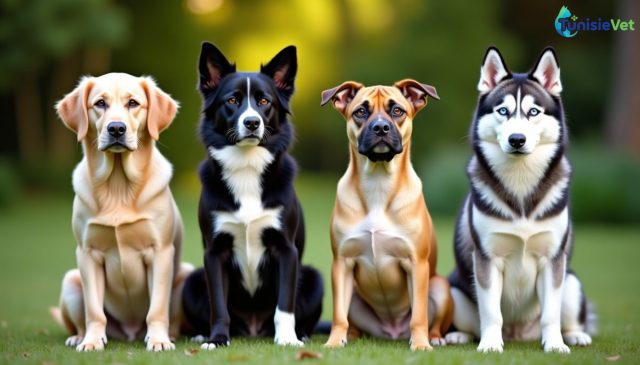
Choosing from the many dog breeds available can quickly become overwhelming for a prospective owner. This practical guide answers the essential questions: how to compare breeds, which criteria to prioritize based on your lifestyle, and what mistakes to avoid before adoption. Sound veterinary advice from the start prevents disappointment and ensures a harmonious life between your dog and family.
The TunisieVet app to care for your pet
Vets, adoption and products





1. Why breed influences daily life with a dog
Every dog breed carries genetic traits that shape its temperament, energy level, and health needs. A herding dog like the Border Collie requires intense mental and physical stimulation, while a French Bulldog is content with shorter walks. Overlooking these differences is one of the leading causes of abandonment or frustration among new owners.
Breed provides general tendencies, but each individual remains unique. Training, early socialization, and environment play as crucial a role as heredity in shaping an animal's final behavior.
2. The major breed families and their dominant traits
Dog breeds are often grouped by their historical function: herding dogs, hunting dogs, guard dogs, companion breeds, or mastiff-type dogs. Understanding this classification helps anticipate an animal's real needs.
- Herding dogs (German Shepherd, Border Collie, Australian Shepherd): intelligent, active, need daily work or mental stimulation.
- Hunting dogs (Beagle, Brittany Spaniel, Pointer): enduring, excellent sense of smell, tendency to follow scent trails.
- Guard and mastiff-type dogs (Rottweiler, Boxer, Great Dane): sturdy build, protective, require firm and consistent training.
- Companion breeds (Cavalier King Charles, Bichon, Chihuahua): suited to apartment living, strongly attached to their family.
- Northern breeds (Husky, Malamute): high physical endurance, need space and sustained exercise.
3. Choosing your breed based on your lifestyle
Assess your home and climate
An apartment without outdoor space suits small to medium-sized dogs with moderate exercise needs better. In warm regions, short-coated or long-muzzled breeds handle high heat better than brachycephalic breeds like Pugs or French Bulldogs, which experience breathing difficulties.
Evaluate your available time
Understimulated herding or hunting dogs often develop unwanted behaviors: excessive barking, destructiveness, anxiety. Before adopting, honestly assess the daily time you can dedicate to walks, play, and training.
Anticipate adult size
Puppies grow quickly, sometimes reaching a much larger size than expected. Researching the average adult size of a breed avoids unpleasant surprises regarding space, feeding, and veterinary costs.
| Owner Profile | Well-Suited Breeds | Key Consideration |
|---|---|---|
| Apartment living, limited free time | Bichon, Cavalier King Charles, Pug | High affection needs, avoid prolonged solitude |
| Active, sporty lifestyle | Border Collie, Australian Shepherd, Pointer | Daily exercise essential |
| Family with children | Labrador, Golden Retriever, Beagle | Early socialization recommended |
| House with garden, warm climate | Short-coated, rustic breeds | Avoid extremely short-muzzled breeds |
4. Common mistakes new owners make
- Choosing a breed based solely on appearance, without researching its temperament or real needs.
- Underestimating the exercise requirements of an active breed, leading to stress and behavioral issues.
- Neglecting early socialization, which is essential during a puppy's first weeks of life.
- Ignoring health predispositions specific to certain breeds, such as joint problems in large breeds or respiratory issues in short-muzzled breeds.
- Adopting without considering long-term budget: food, coat maintenance, regular veterinary visits.
5. Health and grooming by coat type
Grooming requirements vary significantly between breeds and should be planned before adoption, as they determine the time and budget you'll need.
| Coat Type | Example Breeds | Recommended Grooming Frequency |
|---|---|---|
| Short coat | Boxer, Beagle, Great Dane | Weekly brushing |
| Long coat | Collie, Golden Retriever | Brushing several times per week |
| Curly or woolly coat | Poodle, Bichon | Regular professional grooming |
| Dense double coat | Husky, Malamute | Intensive brushing during seasonal shedding |
Beyond coat care, certain breeds are predisposed to hereditary conditions, such as hip dysplasia in large breeds or heart disorders in certain small breeds. Regular veterinary check-ups allow early detection of these issues and enable lifestyle adjustments for your dog's benefit.
6. Best practices before and after adoption
- Research the health history of the parents when the puppy's background is known.
- Schedule an initial veterinary visit soon after bringing your dog home.
- Implement a vaccination and deworming program suited to your dog from the first weeks.
- Begin training and socialization without delay, during the puppy's critical period.
- Adjust nutrition to the size, age, and activity level of your chosen breed.
For any questions about the health or behavior of a newly adopted puppy, it's recommended to consult with veterinarians for dogs promptly to establish personalized follow-up care. Those wishing to welcome a companion rather than purchase one can also explore available adoption options.
In summary
- Choose a dog breed based on your actual lifestyle, not just appearance.
- Anticipate exercise needs, space requirements, and budget before adoption.
- Tailor coat maintenance and health monitoring to each breed's characteristics.
- Start training and socialization during the puppy's first weeks.
- Consult your veterinarian regularly to prevent common hereditary conditions.
Frequently asked questions
What dog breed is best for a beginner?
Breeds with stable temperaments and moderate exercise needs, such as Labrador or Cavalier King Charles, often suit beginners well. The key is honestly assessing your available time and living environment before deciding.
At what age can you start training a puppy?
Training and socialization can begin as soon as the puppy arrives home, typically around two months of age. The earlier this critical period is utilized, the more balanced behavior your dog will develop as an adult.
How do you know if a breed is suited to a warm climate?
Short-coated and long-muzzled breeds generally tolerate heat better than short-muzzled or thick-furred breeds. Permanent access to fresh water and shade remains essential regardless of breed.
Choosing the right dog breed is the first step toward a lasting and fulfilling relationship. By combining careful observation, sound veterinary guidance, and patience in training, every owner can provide their dog with a healthy life, regardless of the breed selected.
Need a professional opinion? If in doubt or in an emergency, find a veterinarian near you on TunisieVet.
Leave a comment
Be the first to comment on this article.
