Presentation
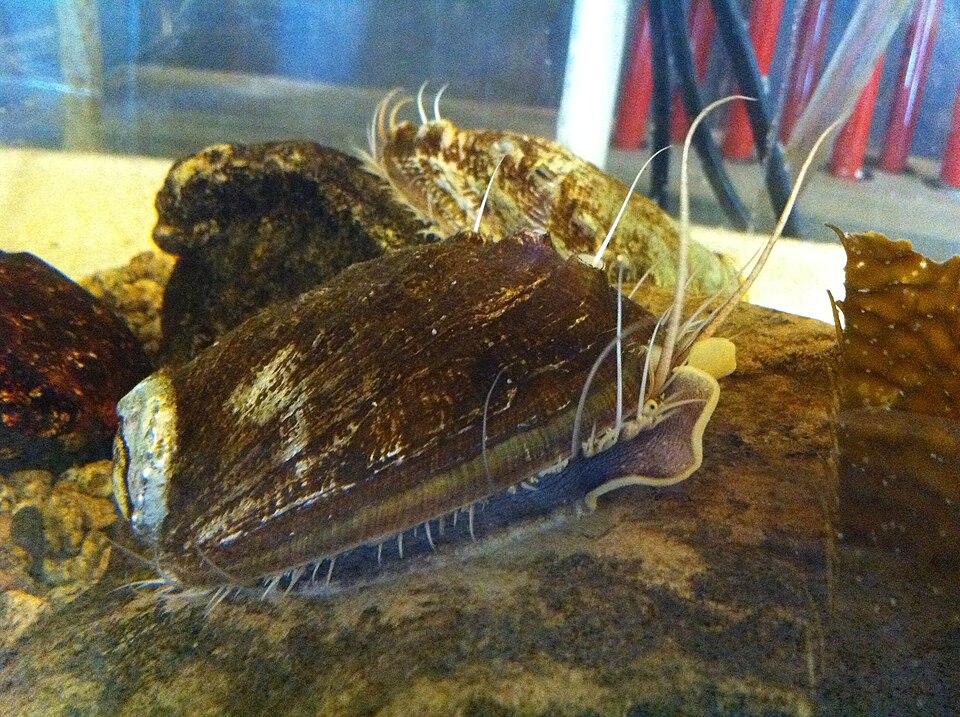
The abalone is a marine gastropod mollusk characterized by a flat ear-shaped shell with a row of small respiratory pores. It lives fixed to rocks in shallow coastal waters, where it grazes on seaweed using a large muscular foot. This foot, highly prized in gastronomy, makes the abalone an important economic resource but one that is overexploited in many regions. Its slow growth and high commercial value make it a species vulnerable to overfishing.
The abalone shell has a flattened oval shape, with a nacreous interior and a row of perforations along the edge. Its external color varies from brown to green depending on the species and diet. The well-developed foot allows powerful adhesion to the rocky substrate.
Characteristics
Indicative values: they vary by subspecies, sex and region.
Habitat and distribution
Abalone favor rocky coastal zones, either permanently submerged or exposed at low tide depending on the species. They prefer clear, well-oxygenated waters rich in algae. They are found from the intertidal zone down to depths of several tens of meters.
CURRENT RANGE
Abalones are present in many temperate and warm seas worldwide, notably along the coasts of the Atlantic, Pacific, and Mediterranean. Some species are endemic to specific regions such as California or South Africa. In the Mediterranean, one species is present, including along the Tunisian coast.
Behaviour
The abalone is a relatively immobile animal, typically remaining fixed to rocks by its sucker-like foot. It is most active at night, when it moves about to feed. When faced with a predator or disturbance, it clings tightly to its surface.
Reproduction
Reproduction occurs through external fertilization, with individuals releasing male and female gametes directly into the water. Planktonic larvae drift for a few days before settling on rocky substrate. Sexual maturity is reached after several years, which accounts for the slow rate of population renewal.
Peculiarities
The pearl-like shell of the abalone, lined with iridescent mother-of-pearl, is used in jewelry and crafts. The pores along the edge of the shell serve to evacuate water after respiratory filtration. Its flesh is considered a delicacy in several culinary traditions, particularly in East Asia.
Threats and conservation
Overfishing is the primary threat to abalone populations, driven by strong commercial demand. Poaching remains a recurring problem despite regulations. Degradation of coastal habitats and warming waters also affect some populations.
Numbers and trends vary across sources and regions. See the IUCN assessment for the latest reference data.
Gallery
1 documented photographs.
References
Profile updated 30 August 2026 · Reviewed by the TunisieVet editorial team.
Comments (0)
No comments yet.
CONSERVATION STATUS
Data deficient (DD)
IUCN source, latest published assessment.
Species health
Documented diseases for this species.
Find a veterinarianThis information is provided for educational purposes only and is not a substitute for a veterinary consultation. If you have any concerns about your animal's health, consult a veterinarian.
Similar animals
Other species documented in Animalpedia.

Be among the first to use our app. Sign up and get early Google Play access.
Discover