Presentation
The oyster is a marine bivalve mollusk that lives attached to hard substrates such as rocks or reefs. It has an irregular calcareous shell made up of two unequal valves that protect its soft body. As a water filter-feeder, this animal plays an important role in maintaining coastal ecosystem balance by purifying the surrounding water. The oyster has been harvested since ancient times for its edible flesh and occasionally for its pearls. It is found both in the wild and in oyster farming operations.
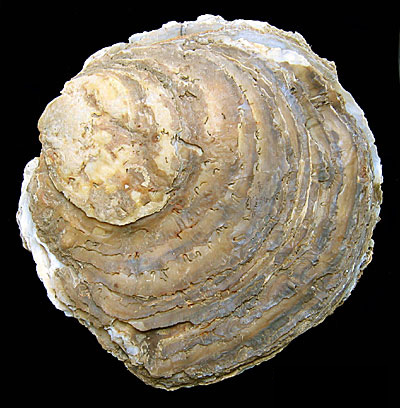
Its rough and calcareous shell displays variable forms depending on the species and environment. The soft body is protected by two valves connected by a powerful adductor muscle that keeps them closed. The oyster has no head, eyes, or centralized nervous system.
Characteristics
Indicative values: they vary by subspecies, sex and region.
Habitat and distribution
Oysters colonize shallow coastal zones, estuaries, and lagoons where the water is rich in nutrients. They attach to rocks, reefs, or artificial structures that are submerged permanently or at high tide. They tolerate variations in salinity depending on the species.
CURRENT RANGE
Oysters are found in temperate and tropical seas worldwide, notably in Europe, Asia, and North America. Some species, such as the Pacific oyster, have been widely introduced for aquaculture. In Tunisia, oyster farming is practiced particularly in the Bizerte lagoon.
Behaviour
The oyster is a sessile animal, permanently fixed to its substrate after a brief free-swimming larval phase. It opens its valves to feed and breathe, and closes them tightly when threatened or during low tide. It displays no social or territorial behavior.
Reproduction
Most oysters are sequential hermaphrodites, changing sex during their lifetime depending on environmental conditions. Fertilization is external, with gametes being released into the water during warm periods. The larvae, called spat, drift for several weeks in the plankton before permanently settling on a hard substrate.
Peculiarities
Oysters can change sex multiple times during their lifetime. Some species are capable of producing pearls when a foreign object becomes trapped between the mantle and the shell. Their filtering capacity makes them a good indicator of water quality.
Threats and conservation
Overfishing, pollution of coastal waters, and diseases such as oyster herpesvirus affect certain wild populations and farmed oysters. Warming and acidification of the oceans weaken the formation of the calcified shell. Destruction of coastal habitats also reduces natural settlement areas.
Numbers and trends vary across sources and regions. See the IUCN assessment for the latest reference data.
Gallery
1 documented photographs.
References
Profile updated 30 August 2026 · Reviewed by the TunisieVet editorial team.
Comments (0)
No comments yet.
CONSERVATION STATUS
Least concern (LC)
IUCN source, latest published assessment.
Species health
Documented diseases for this species.
This information is provided for educational purposes only and is not a substitute for a veterinary consultation. If you have any concerns about your animal's health, consult a veterinarian.
Similar animals
Other species documented in Animalpedia.

Be among the first to use our app. Sign up and get early Google Play access.
Discover