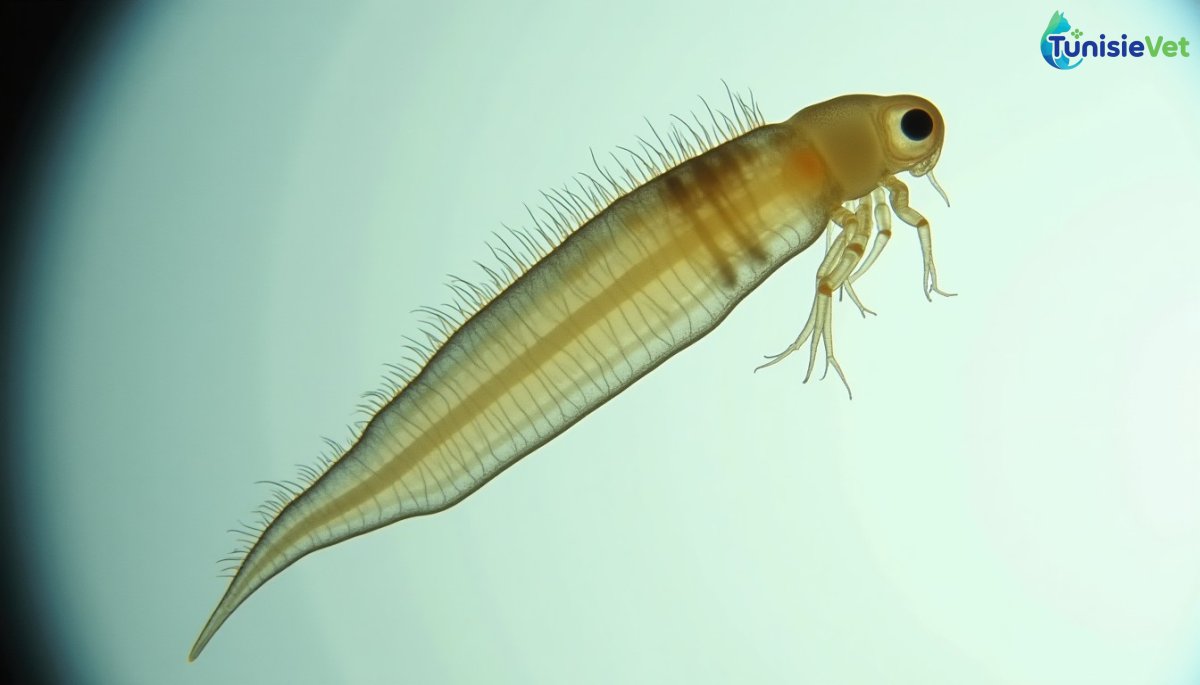
In a drop of water, an animal less than a millimetre long takes hundreds of breaks in its DNA. Yet a radiation dose enough to kill almost all mammals does not stop it from reproducing. How is that possible?
Publicité
Publicité
The animal is a bdelloid rotifer, a tiny creature living in fresh water or damp habitats. According to researchers, hydrated bdelloids survive gamma-ray doses of up to 1,200 gray, though their fertility falls as the dose rises.
The most striking part concerns the DNA itself. In Adineta vaga, hundreds of double-strand breaks appear per nucleus without a notable drop in fertility. The animal tolerates the damage rather than avoiding it.
A comparison with the nematode Caenorhabditis elegans, which is far more sensitive to radiation, offers a lead: Adineta vaga's proteins resist radiation-induced oxidation much better. The authors attribute this to a highly efficient antioxidant system that would also protect the DNA repair machinery. This remains a hypothesis, based on very few species.