StoryFarmland & grasslandsUrban environmentMercy towards animals
What does it mean to be responsible for a creature placed in our care?
A woman was punished for letting a confined cat starve to death. This hadith reported by the Prophet ﷺ teaches a simple truth: keeping an animal means answering for its life before Allah.
3 min read · Published 1 week ago · 11 views
Among the teachings of the Prophet Muhammad ﷺ, there is one that strikes with its simplicity and severity: the responsibility that every human being bears toward the animal kept in their care. This is not an option, nor an act of optional charity, but a duty for which one is accountable, as for everything entrusted to us.
The story of the woman and the cat
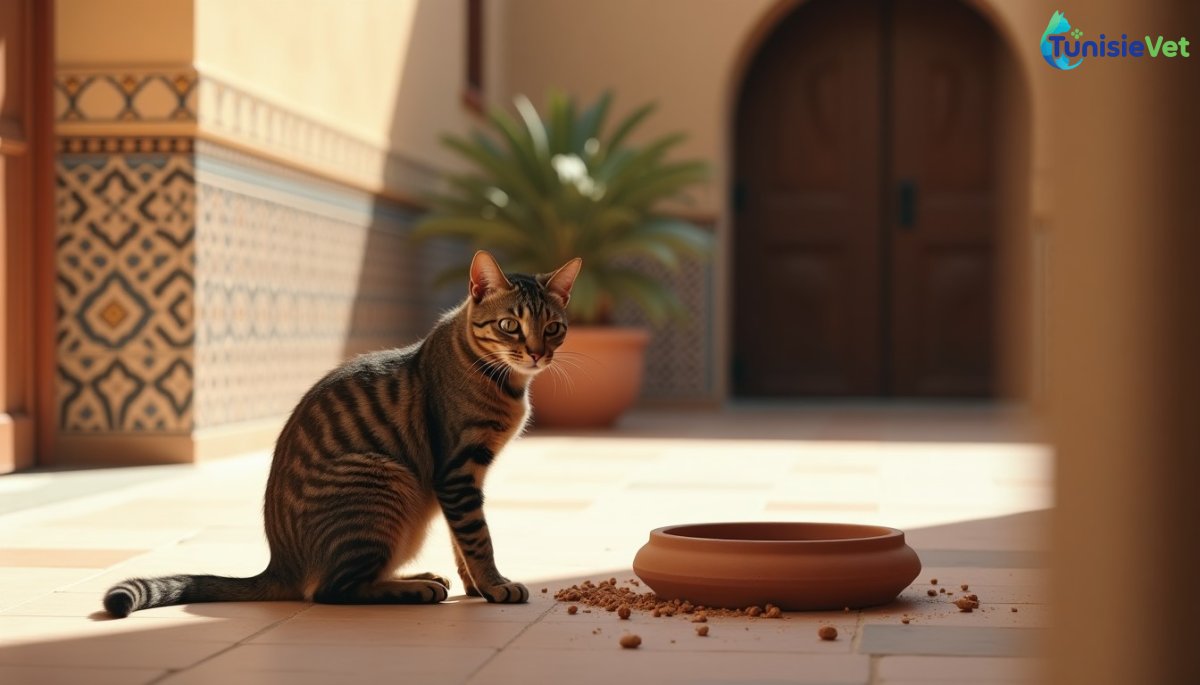
It is reported in Sahih al-Bukhari and Sahih Muslim that the Prophet ﷺ said that a woman was punished because of a cat she had confined until it died of hunger, and that she entered Hell for this. The Prophet ﷺ clarified that she had given it neither food nor water while it was confined, and that she had not allowed it to go free to seek its sustenance among the insects and small creatures of the earth.
Publicité
Publicité
This hadith, striking in its brevity, contains a teaching of immense scope. The woman's fault was not in having possessed an animal, but in depriving it of freedom without ensuring it the means to live. In capturing the cat, she had taken upon herself the entire burden of its survival; in neglecting it, she failed in this duty until she caused its death.
What it means to be "responsible"
The scholars who have commented on this hadith see in it a fundamental principle: once a creature depends on us, whether it is a domestic animal, a beast of burden, or even a wild animal that one has captured, we become guarantors of its essential needs. This responsibility encompasses several practical dimensions:
Ensuring sufficient and regular food and water;
Not imposing confinement that would prevent the animal from providing for itself;
Sparing the creature any unnecessary suffering, whether physical or arising from neglect;
Never considering that an animal, because it is weaker or voiceless, matters less before Allah.
It is also reported, again in the authentic collections, that the Prophet ﷺ spoke conversely of the reward granted to those who care for a creature in distress, notably through the account of a man who gave water to a thirsty dog and was forgiven by Allah for this deed. These two narratives answer each other: mercy toward the animal opens the door to forgiveness; neglect of it can lead to punishment.
A lesson forever relevant
This hadith does not belong only to the past. It speaks directly to anyone who today keeps a pet, raises livestock, or rescues a wounded creature. Guardianship of a living being is never a right without responsibility: it engages a moral and spiritual obligation toward what cannot speak, complain, or demand justice for itself.
Thus, this story, brief though it is, sums up in itself an entire dimension of Islamic ethics toward animals: we are not their absolute masters, but their temporary guardians, accountable before Allah for the way we treat those who depend on our kindness. Whether it is a cat, a dog, poultry, or any other creature placed beneath our roof, ensuring its well-being is not an addition to our faith: it is a concrete and daily expression of it.